


A WEEK AFTER the drums faded and the streets of Iloilo City returned to their usual rhythm, something from Dinagyang 2026 clearly stayed behind. It wasn’t the confetti or the stage lights. It was the habit.
During the festival, “Hala Bira!” echoed through packed streets. A week later, QR codes are still up, phones are still out, and cashless payments have quietly settled into everyday Ilonggo life. What began as a festival convenience has turned into a lasting shift—and GCash was right at the center of it.
When the Festival Ends but the System Stays
Dinagyang has always been a stress test for small businesses. Long lines, high foot traffic, and the constant juggling of cash. This year, many Iloilo nano, micro, small, and medium enterprises discovered something surprising: going digital didn’t just help them survive the festival—it made business easier even after.
At Ted’s Oldtimer La Paz Batchoy, an 80-year-old institution, cashless payments didn’t disappear when the crowds did. “It boosted our sales during Dinagyang,” shared third-generation owner Allen Mae Borro Pido, “and we kept it because customers kept using it.” Tradition remained, but the transactions became faster, smoother, and more efficient.
For neighborhood stores like Mini Convinie, the effect was even more visible. Owner Jeni Ann Baran noticed that customers returned—not just to buy snacks, but to pay bills, buy load, and manage daily financial needs. “It’s extra income for us and convenience for them,” she said. A week later, her store continues to function as a small but vital community hub.
Cashless Wasn’t Just for the Crowd
During the festival, GCash’s interactive food crawls and QR-enabled booths made digital payments feel fun and accessible. A week later, those first-time users didn’t revert to old habits. They stayed.
What began as curiosity turned into confidence. Paying without cash no longer felt experimental—it felt normal.
From Dinagyang Energy to Everyday Education
The post-festival impact reached beyond food stalls and stores. GCash’s partnership with Ateneo de Iloilo – Santa Maria Catholic School continued to make waves a week later, as parents began using the app to settle tuition and school fees remotely.
“With GCash now available, payments are more efficient and secure,” said Fr. Arnel Ong, SJ. For families, the benefit was immediate: fewer trips, less stress, more time saved. Dinagyangmay have ended, but convenience stayed in session.
A City Still Moving Forward
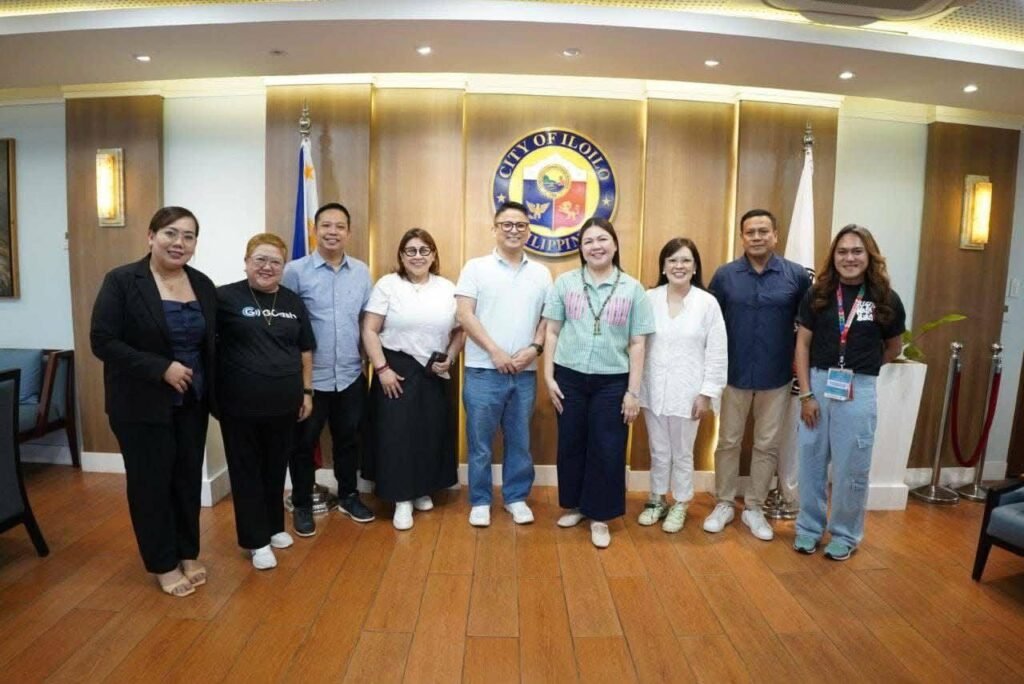
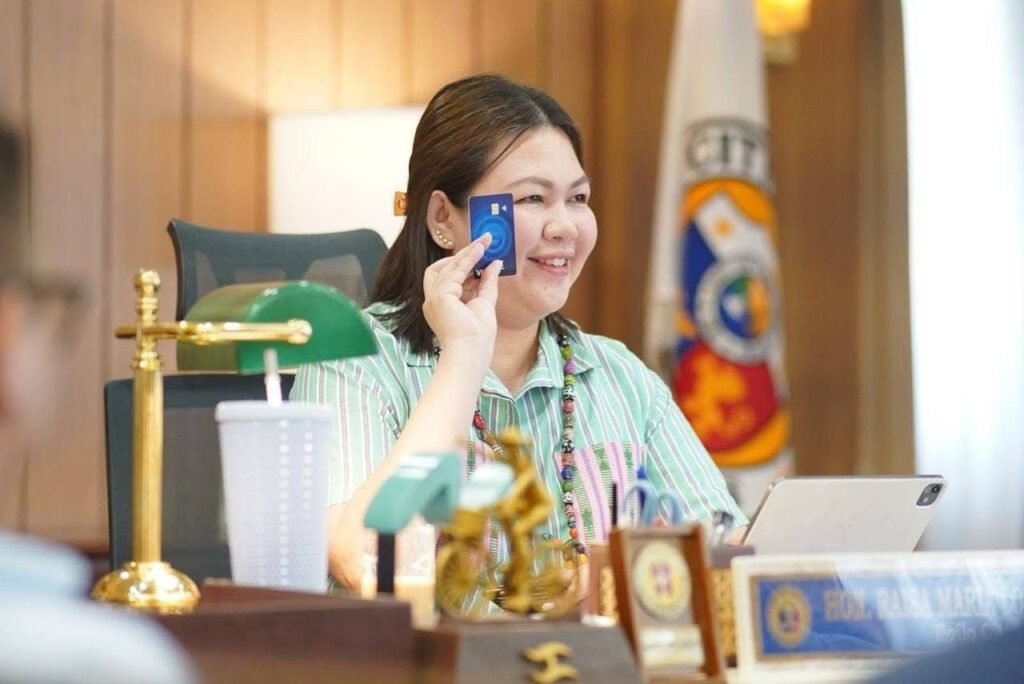
A week after Dinagyang, Iloilo City’s leadership echoed the same sentiment. Mayor Raisa Treñas-Chu emphasized the city’s move toward cashless transactions in public markets and government payments. “GCash ang pinaka mahapos gamiton,” she shared, reinforcing the city’s commitment to more convenient and accessible payment systems for Ilonggos.
The courtesy visit between GCash executives and the Iloilo City government may have happened during the festival, but its impact is forward-looking—pointing toward stronger public-private collaboration long after the last drumbeat.
The Real Measure of Success
Festivals are temporary by nature. Their true success isn’t measured by crowd size alone, but by what changes after everyone goes home.
A week after Dinagyang 2026, the answer is clear. Small businesses are still scanning. Parents are still paying digitally. Customers are still choosing convenience. And Iloilo, true to its spirit, is still moving—this time, more connected and more prepared.
The drums may be quiet now, but the digital rhythm continues.