A FORMER TOP official of the Department of Information and Communications Technology (DICT) is sounding the alarm over the recently approved Konektadong Pinoy (KP) Bill, warning that the measure —while well-meaning— could inadvertently harm the very industry it seeks to improve.
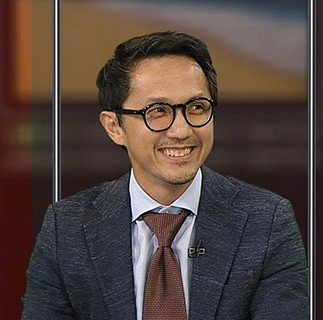
Jeffrey Ian Dy, who served as DICT Undersecretary before, expressed deep concern over several provisions of the bill, particularly Section 16, which mandates all Data Transmission Industry Players (DTIPs), including Public Telecommunications Entities (PTEs), to share and co-locate infrastructure.
Dy said he has long supported infrastructure sharing to help lower internet costs, but believes the bill takes a dangerously simplistic view of how the country’s telecom ecosystem actually works.
“Infrastructure sharing is not just a matter of plugging into a common line,” Dy said. “When you don’t factor in the business models, the regulatory hurdles, and even the geopolitical implications, you end up creating more problems than you solve.”
‘More troubling … is the potential national security threat posed by foreign-operated fiber networks interconnecting with local systems, particularly in Northern Luzon.’
RED FLAGS Among the red flags Dy raised is the bill’s failure to regulate excessive fees imposed by property developers and mall operators, which he believes will continue to discourage telcos from expanding services in underserved areas. While the bill outlines rules for in-building infrastructure sharing, enforcement focuses solely on telecom providers—leaving landlords and developers unaccountable.
More troubling, Dy warned, is the potential national security threat posed by foreign-operated fiber networks interconnecting with local systems, particularly in Northern Luzon.
“You can’t talk about digital sovereignty and then allow unvetted foreign access to critical infrastructure,” he noted. “That’s a contradiction with real-world risks.”
Dy also flagged loopholes in the bill’s handling of satellite operations, arguing that the relaxed policies may open the door to further encroachment by foreign entities occupying key orbital positions above the Philippines.
INFRASTRUCTURE SHARING Dy likewise questioned the practicality of enforcing infrastructure sharing on undersea cables —where over 99 percent of internet traffic flows— most of which are operated by international consortiums.
Given these concerns, Dy urged President Ferdinand Marcos Jr. to reconsider signing the bill in its current form. While acknowledging the administration’s push for digital inclusion, he emphasized the need for a more technically sound and secure policy framework.
“It’s not enough to be connected,” he said. “We need to be connected wisely, securely, and sustainably.”
IN THREE SEPARATE locations in Manila and Caloocan, three new sensor-based traffic signal lights were installed by the The Metropolitan Manila Development Authority (MMDA), together with North Luzon Expressway (NLEX) Corporation, in NLEX Connector Interchanges.
The sensor-based traffic signal lights to help organize vehicle flow and manage pedestrian crossings were installed in C3 Road, Caloocan; España Boulevard (corner Antipolo St.), and Magsaysay Blvd. in Manila.
MMDA Chairman Don Artes said there are 143,000 vehicles traversing in the said intersections that will benefit from the smart traffic signaling system—a system that is in line with the directive of President Ferdinand Marcos Jr. to adopt latest technologies and innovations for improved delivery of services.
“These newly installed signal lights are not just ordinary traffic signals. They follow MMDA’s updated standards and are equipped with adaptive signaling systems that use sensors instead of traditional timers. This technology allows real-time adjustment to traffic conditions, which means better vehicular flow and safer pedestrian crossings,” Artes said during the turnover and ceremonial switching of the adaptive traffic signal lights.
MORE EFFICIENT ROAD NETWORK Artes likewise highlighted the importance of collaboration in continual efforts in improving traffic management and promoting road safety in the metropolis.
“This project is a perfect example of what we can achieve through strong partnerships between the public and private sectors. Together, we can build a safer, smarter, and more efficient road network for all,” he said.
Metro Pacific Tollways Corporation (MPTC) Chief Regulatory Officer Arrey Perez said the new and modern signal lights will serve to improve traffic management, enhance road safety, and support sustainability.
“This initiative of putting traffic signal lights reflects our commitment to easing congestion and improving the mobility experience for all—whether travelling along expressways or local roads. By working together, we are creating safer roads not only for motorists but also for our community,” Perez said.
IN CALOOCAN Meanwhile, Caloocan City Vice Mayor Karina Teh-Limsico said having adaptive signal lights will help address traffic woes in the area.
Artes said the MMDA has fully removed traffic signal lights with timers and have now installed 90 percent of adaptive signal lights operated by the agency resulting in better vehicular traffic flow and reduced number of road crash incidents.
WHEN Republic Act 9994 (Expanded Senior Citizens Act of 2010) was enacted, the law specifically made mention of the word “mandatory” and applies to each and every Filipino aged 60 and above.
The law provides a 20 percent discount on all essential purchases and a monthly pension of P1,000 — an amount that isn’t even enough to cover maintenance medicines.
But in the lakeshore town of Morong (in the province of Rizal), coverage seemed elusive for the qualified elders in view of what looks more like a selective policy by no less than the Office of the Senior Citizens Affairs (OSCA).
In a social media post, a netizen uploaded a photo of a list of pensioners who were stripped from the list of beneficiaries for which senior citizens are wondering. As to why, only the local OSCA would know.
According to an insider, the local OSCA stripped eligible beneficiaries from the list of pensioners who have relatives abroad. In place of those who were stripped are relatives of the OSCA stalwarts.
Regardless of their reason, the local OSCA is bound to observe full implementation of RA 9994 and defiance warrants accountability. People behind the selective policy should be made accountable for non-compliance of a mandatory law which applies to “Filipinos aged 60 and above.”
Allow me to provide an insight as to what the law is all about.
Under RA 9994 provides a social pension for eligible senior citizens with the no less than the Department of Social Welfare and Development (DSWD) as implementing agency in partnership with the local OSCA. It ensures that frail, sickly, or disabled senior citizens without other means of support receive a monthly stipend to help with their basic needs.
The program aims to improve the living conditions of indigent senior citizens, address their daily subsistence and medical needs, and prevent neglect and abuse.
For one, the Department of Budget and Management (DBM) assured that funds are allocated for programs of such large magnitude if only to cover each and every qualified target beneficiary.
The local OSCA should perhaps revisit the law. Which is deemed a crucial government initiative designed to provide financial support and improve the well-being of vulnerable elderly Filipinos, ensuring they have access to basic necessities and can live with dignity.
IN SPANISH, THE term que paso is asked to determine someone’s transformation (normally from fame to infamy). In our vernacular, it’s anyare?
This question just sums up the surprising transformation of Jose Arnulfo “Wick” Veloso, president and general manaager of the Government Service Insurance System (GSIS) from his golden days– when he held the distinction of being the first Filipino CEO of HSBC Philippines, his 30 years banking experience and steering several companies of the Lucio Tan Group as director, especially heading the former state bank beginning 2018 until July 2022 (the first of appointees by President Marcos) to run the GSIS.
At GSIS, though, his sterling reputation as a banker/CEO seemed to have been thrown away when he ventured into very risky, gambling ventures that included the highly-unknown but legally-created Maharlika wealth fund which caused huge outcry from its members and the public at large, then the Altenergy of former Energy Secretary Vince Perez (for which the Ombudsman meted him and other GSIS officials with suspension without pay for at least six months), investing in private companies (probably old clients) like Figaro and now the P1- billion investment in DigiPlus Interactive, a diversified gaming company and casinos, which is being grilled by neophyte Sen. Erwin Tulfo.
PNB, under Veloso, solidified its sustainability vision and roadmap, focusing on sustainable financing and profitability. Two years after the pandemic broke out, PNB posted 57 percent year-on-year growth in its net income for the first quarter of 2022 – a good indicator that the profit-making potential of PNB’s businesses continues to improve as the overall economy improves. Among Philippine banks, PNB is currently at No. 5 in terms of assets, with consolidated resources at Php1.1 trillion as of end-March 2022. The Bank also maintained its position as the Philippine bank with the largest global footprint, serving the financial needs of Filipinos abroad.
‘GSIS has already suffered a ₱251.37-million valuation loss on these equity bets and the COA has since ordered GSIS to craft a recovery plan to contain the damage and avoid further bleeding.’
MUKHANG MAY KUMITA! Sen. Erwin, who is investigating GSIS investment in DigiPlus– sans board approval, was quick in declaring “mukhang may kumita” and wants Veloso to be charged,which could involve kickbacks, a criminal offense, Bilyonaryo said.
“Ako din po ay nagagalit at naiinis dahil ito po ay pinagpaguran ng mga empleyado ng pamahalaan. Dugo at pawis ang pinuhunan po nila dito para pagdating po ng panahon ng kanilang pagre-retiro, may mahuhugot ang mga empleyado,” Tulfo said in speech.
He expressed full support for Sen. Risa Hontiveros’ exposé on GSIS transactions, calling Veloso’s investment decisions questionable and unacceptable.
“Kaisa niyo po ako, Senadora Risa, hinggil po dito at nais ko po talagang maimbestigahan ito. At kung may pagkakataon po, maghahain po ako ng panukalang batas… na kailangan imbistigahan po ito at makasuhan po si Ginoong Veloso,” he said.
DIGIPLUS SHARES Bilyonaryo reported that sank over ₱1 billion into DigiPlus Interactive (PLUS) shares—right around its peak of ₱65.30. The said shares were offloaded by a playboy billionaire in the middle of a messy divorce, it added.
Weeks later, PLUS—once tipped to join the Philippine Stock Exchange Index—plunged to as low as ₱13.68 on July 18, as lawmakers ramped up calls to ban online gambling. The crash has triggered a storm of criticism over GSIS’s timing, lack of due diligence, and exposure to high-risk bets.
Now, the pensions of government employees are staring at steep paper losses. The scandal adds to a string of controversial investments linked to Veloso, who is already under investigation by the Ombudsman.
A whistleblower complaint flagged GSIS’s ₱1.44 billion investment in Alternergy—a firm associated with former Energy Secretary Vince Perez—as another questionable deal.
In 2023 alone, GSIS poured ₱2.308 billion into three publicly listed firms.
The Commission on Audit (COA) flagged the transactions for targeting companies with no profit history from 2019 to 2022 and no dividend payouts.
COA warned that the investments could undermine the actuarial solvency of the pension fund and place members’ savings at risk.
TO AVOID FURTHER BLEEDING GSIS has already suffered a ₱251.37-million valuation loss on these equity bets and the COA has since ordered GSIS to craft a recovery plan to contain the damage and avoid further bleeding.
Tulfo said he would ask the Senate Committee on Games and Amusement to lead the probe into what he described as reckless and suspicious use of public pension funds.
“Ito po ay aking paiimbestigahan kung may kumita. Mukhang may kumita po rito, mayroon pong commission o kickback at hindi po ito karapat-dapat at katanggap-tanggap,” Tulfo said.
Bilyonaryo was the first to report GSIS purchase of DigiPlus shares whose value dropped by as much as 80 percent a few weeks later.
ALTENERGY PROBE Veloso and six other officials have been slapped with a six-month preventive suspension by the Office of the Ombudsman over GSIS’s ₱1.44-billion investment in Alternergy Holdings Corp., a renewable energy firm owned by former Energy Secretary Vince Perez, who later claimed they have repaid P100 million.
The Ombudsman said the deal, which allegedly bypassed board approval and key internal controls, “breached” the 2022 GSIS Investment Policy Guidelines.
Along with Veloso, suspended were: Michael Praxedes, Jason Teng, Aaron Samuel Chan, Mary Abigail Cruz-Francisco, Jaime Leon Warren, and Alfredo Pablo.
ANOTHER RISKY DEAL In April 2024, Bilyonaryo reported a “risk, illiquid, potential for capital wipeout” P5.7-billion investment deal in Neuberger Berman Credit Opportunities Fund (NBCOF) that Veloso was about to plunge in but was stopped by the staunch opposition by Merceditas Gutierrez, former Ombudsman.
NBCOF used to be owned by Lehman Brothers, the fourth largest investment bank in the US with 25,000 employees worldwide, which filed for bankruptcy in 2008.
Veloso’s management team (through his righthand man Praxedes presented the investment plan) was unable to answer queries and present documents for their planned $100 million investment into NBCOF, which was turned down by the GSIS board of trustees, particularly Gutierrez.
His team had a follow-up meeting where they continued the presentation without addressing the concerns raised by Gutierrez on the profile of the entities involved, anticipated rate of returns, adherence to foreign and domestic laws, and the terms and conditions of the placement.
It was Gutierrez that found the answers to all her questions when her staff stumbled upon the private placement memorandum (PPM) on the table of one of Veloso’s henchmen.
The PPM highlighted that investments in NBCOF II carry substantial risks, as the fund is designed for sophisticated investors with the financial capacity and risk tolerance to handle high-risk ventures.
NBCOF investors should be prepared for prolonged risks without guaranteed capital returns, liquidity assurance, and the potential for complete loss of investment.
VELOSO’S RISKY PLAN The Office of the Government Corporate Counsel weighed in on the deliberations by reminding the Board that it must explicitly approve GSIS’ waiver of immunity from liability, suits, and enforcement as required under the NBCOF II subscription agreement.
However, the OGCC warned the Board to exercise exceptional care in fulfilling its fiduciary duty. Legal actions against GSIS, where it could have claimed legal immunity, might spell trouble for the fund’s liquidity, security, and actuarial solvency.
This is why the OGCC said GSIS management should engage foreign legal experts to understand the applicable foreign laws governing the transaction before committing the pensioners’ hard-earned money into NBCOF II.
When Gutierrez intensified her opposition to Veloso’s risky plan of investing GSIS money into the New York-based fund manager, Veloso abandoned the planned investment. NBCOF II was just one of the questionable investments that Veloso had aggressively pushed for approval in the GSIS board, Bilyonaryo said.
BAUAN, Batangas — What was once a quiet port town is now on the cusp of becoming a game-changer in Philippine logistics and trade.
The Department of Transportation (DOTr) has unveiled bold plans to transform Bauan, Batangas into the country’s first fully automated container terminal and its second-largest overall, a development poised to redefine economic activity in Southern Luzon and decongest the overburdened ports of Metro Manila.
Dubbed the Luzon International Container Terminal (LICT), the facility will be capable of handling up to 2 million twenty-foot equivalent units (TEUs) — just behind the Manila International Container Terminal, the nation’s largest. But what sets LICT apart, according to Transportation Secretary Vince Dizon, is not just its scale, but its potential to usher in a new era of digital logistics.
“This is very important in the Calabarzon area because we know that Calabarzon is the industrial capital of the Philippines,” Dizon said in a press briefing Friday, after meeting with local officials and project stakeholders.
‘The rise of this port will also spur the growth of new industrial and manufacturing parks in the surrounding areas. It’s an ecosystem we’re building — not just a terminal.’
LOGISTICS HUB Batangas, particularly Bauan, is strategically located to serve the high-volume needs of Calabarzon (Cavite, Laguna, Batangas, Rizal, and Quezon) — the country’s most industrialized region. Home to automotive hubs, electronics manufacturers, and agro-industrial complexes, the region has long needed a direct maritime gateway to global markets.
The LICT will be developed in partnership with the Philippine Ports Authority (PPA) and global port operator International Container Terminal Services Inc. (ICTSI).
PPA General Manager Jay Santiago said the project not only supports the government’s “Build Better More” infrastructure push but also positions the Philippines as a competitive logistics player in the Asia-Pacific region.
NOT JUST A TERMINAL Once operational, LICT will be the Philippines’ first fully automated container terminal, designed to integrate artificial intelligence and digital infrastructure for seamless port operations — from gate entry to container handling and cargo release.
Automation is expected to significantly reduce processing times, eliminate bureaucratic bottlenecks, and ensure 24/7 operational capability.
Despite its high-tech framework, Dizon stressed that the project is not job-displacing but job-generating. The construction and operation of LICT are expected to create thousands of direct and indirect jobs, from construction workers and engineers to logistics specialists and transport providers.
“The rise of this port will also spur the growth of new industrial and manufacturing parks in the surrounding areas,” Dizon added. “It’s an ecosystem we’re building — not just a terminal.”
STRATEGIC RESET Construction of Phase 1 is scheduled to begin in September 2025, with completion targeted by the end of 2027. The initial phase will lay down core port infrastructure, including automated cargo systems, berth development, and road connections.
Local government officials have expressed strong support, noting the economic ripple effect it could have across Batangas and neighboring provinces. Environmental compliance and community consultations are also reportedly underway to ensure inclusive development.
With trade volumes steadily increasing and Metro Manila ports nearing saturation, the LICT in Bauan could emerge as a vital pressure valve — and a beacon of modern port management in the country.
For the DOTr, the project is more than just a port. It’s a strategic reset — one that reorients the nation’s economic center of gravity toward the south, unlocking opportunities for industries, communities, and the country’s long-term competitiveness.
WITH A VOW to steer the organization toward holistic development, continued modernization, and peace-building, Lt. Gen. Antonio G. Nafarrete has sworn as he officially assumed command of the Philippine Army as its 67th Commanding General.
In a change-of-command ceremony held at the Philippine Army headquarters in Fort Bonifacio, Nafarrete outlined his leadership vision in a newly issued command guidance, emphasizing the Army’s core values of honor, professionalism, and duty.
Central to his agenda is the holistic development of Army personnel, whom he described as the organization’s most valuable resource.
“The strength of the Philippine Army lies in its people,” Nafarrete said. “We will invest in their development, sharpen our doctrines, and modernize our systems—all anchored on unity and shared purpose.”
‘The strength of the Philippine Army lies in its people … We will invest in their development, sharpen our doctrines, and modernize our systems—all anchored on unity and shared purpose.’
COMBAT-HARDENED, BATTLE-TESTED A seasoned combat officer, Nafarrete is a full-blooded Scout Ranger whose military career spans key battle zones across the country—from Kalinga and Apayao in the north, to Negros in the Visayas, and Basilan, Maguindanao, North Cotabato, and Zamboanga Peninsula in the south.
He began his career as a platoon leader with the 10th Infantry Battalion, 1st Infantry Division (1ID), and was among the pioneers who reactivated the 1st Scout Ranger Company in 1991 under the First Scout Ranger Regiment. He later commanded the elite 1st Scout Ranger Battalion from 2008 to 2010.
His extensive leadership credentials also include commanding the Sulu-based 1101st Infantry Brigade under the 11th Infantry Division, and leading both the 1st and 6th Infantry Divisions. In November 2024, Nafarete was appointed commander of the Armed Forces of the Philippines (AFP) Western Mindanao Command, becoming its 19th head.
PEACE ADVOCATE, NEGOTIATOR Beyond the battlefield, Nafarrete has made significant contributions to the peace process in Mindanao. He once served as Chairman of the Government of the Philippines’ Coordinating Committee on the Cessation of Hostilities (CCCH), a key mechanism under the peace process with the Moro Islamic Liberation Front (MILF). His involvement helped ensure the implementation of the 2014 peace agreement between the government and the MILF.
RECOGNIZED FOR EXCELLENCE Nafarrete is the recipient of numerous military awards, including three Gold Cross Medals for gallantry in combat, the Gawad sa Kaunlaran Medal in 2022 for peace-building efforts, and the Distinguished Service Star in 2013 for meritorious service.
He has also earned international military credentials, including the US Army Ranger Tab and US Parachutist Badge, and holds both the Scout Ranger and Paratrooper badges from the FSRR.
IMPECCABLE CREDENTIALS A proud member of the Philippine Military Academy “Bigkis-Lahi” Class of 1990, Nafarrete has pursued continuous academic and military education. He completed the Basic Airborne and Scout Ranger Courses early in his career and later trained at the US Army Infantry School in 1995. He also took advanced joint military courses at the National Defense University in the United States in 2005.
He holds a master’s degree in management, Major in Public Administration, from the Philippine Christian University, earned in 2013.
MARCHING ORDERS: TATAG KAPULUAN In his first command conference, Nafarrete rallied the 110,000-strong Philippine Army to remain steadfast in supporting the AFP Unified Commands and the implementation of the military’s campaign plan, “Tatag Kapuluan.”
“Our Army must continue to be a responsible, credible, and capable force. We have a mission to fulfill—not just to secure, but to build peace, stability, and resilience in our nation,” he said.
As the Philippine Army enters a new chapter under his leadership, Nafarrete’s blend of battlefield experience, peace-building expertise, and transformative vision signals a renewed commitment to national defense and development.
IT ISN’T ENOUGH for President Marcos Jr. to keep fuming about money (foregone/cancelled foreign and local loans, counterpart funding being continuously paid for such loans by current and future generations) being lost to corruption.
The oldest and most influential business group– the Philippine Chamber of Commerce and Industry, Inc.– recommends a follow through, which to ordinary folks like me, means exposing them (crooks) to the people– politicians, lawyers, judges, businessmen and contractors. Shame them and file appropriate charges against them so they get slapped with penalties (cash and jail terms).
In older civilizations, those that violated laws and traditions were shamed in public and punished by guillotine and stoning.
The President again fumed in a TV interview over the cancelled loans for infrastructure projects because of corruption and for which our grandchildren and their children will continue paying for in interest, penalties and other charges. He first swiped at such flagrant stealing with the cancellation of “most critical foreign-backed infrastructure projects, which he said is not just reckless but downright shameful.” He said the country did not just lose loans but also its reputation.
‘(The President) warned that lawmakers and contractors behind substandard or corrupt government projects will soon be blacklisted and held accountable—regardless of political ties. They know who they are.’
BUDGET INSERTIONS The President was referring to nearly P1 trillion worth of insertions by senators and congressmen in the 2025 budget, most of which were funneled into flood control projects widely seen as hotbeds of corruption, Bilyonaryo reported.
The worst part is substandard or questionable projects sometimes get funded through unappropriated funds– money that hasn’t gone through proper budget approval and is often sourced through borrowings.
“Utang ‘yun. Nangungutang tayo para mangurakot itong mga ito. Sobra na ‘yun. Sobra na ‘yun,” Marcos said, adding that these projects weren’t just defunded but were repackaged as unappropriated meaning they will be financed through borrowing.
Marcos warned that lawmakers and contractors behind substandard or corrupt government projects will soon be blacklisted and held accountable—regardless of political ties. “They know who they are,” Marcos said, citing that some are notorious and have been at this game for long.
“Somebody has to answer for the suffering of our people,” Marcos said, hinting that an audit, not by DPWH but by the public would soon be done “so citizens can report anomalies in their communities.”
He said he already has some names of contractors whose works are visibly substandard. “We will put them on a blacklist to be barred from contracts with the government.”
ANOMALOUS PROMOTIONS AT DPWH Senators meantime criticized the “anomalous” promotion at DPWH of officials responsible for the epic collapse of the Cabagan-Santa Maria Bridge in Isabela that left taxpayers footing the P1.2 billion bill.
Senators Joseph Estrada and Rodante Marcoleta said the bridge was funded three times– first for the original construction, then for retrofitting worth P285 million and finally for additional repairs worth P400 million, only to collapse just weeks later in February.
“So tatlong beses pong gumasta ang pamahalaan… at bumagsak… Tatlong beses pong nasampal ang Pilipino,” Marcoleta said in his interpellation. Yet no one was held accountable, worse the DPWH officials involved were promoted, including three undersecretaries who were given more power and responsibilities.
They were: 1) Loreta Malaluan – Promoted from Region 2 Director to Assistant Secretary for Luzon. She recommended ₱233.5 million in retrofitting funds in 2021 and initiated epoxy crack repairs. In 2022, she formally requested reclassifying the project from a replacement to a retrofitting-strengthening effort due to persistent structural issues; 2) Mary Bueno – Elevated from Region 2 Director to Assistant Secretary for Visayas and Mindanao. She allegedly ignored early warnings of bridge failure flagged by Project Engineer Felipe Lingan;
3) Eugenio Pipo Jr. – Promoted from Asec to Undersecretary despite glaring red flags in construction. DPWH engineers flagged shifting columns and sheared boards as early as 2018. “His failure to halt the project or escalate the issue for re-evaluation allowed the risks to persist unaddressed,” said Estrada.
4) Ador Canlas – Promoted to Undersecretary for Technical Services. He approved the ₱285 million retrofitting plan on Dec. 19, 2023, and a revised version on May 22, 2024. “These approvals were crucial in authorizing the construction activities intended to stabilize the bridge,” Estrada noted.
5) Maria Catalina Cabral –As Undersecretary for Planning Service and Public-Private Partnership, she approved the ₱400 million retrofitting budget even though the bridge was still under warranty. “Ang halagang ito ay 50% ng original contract price ng tulay,” Estrada added.
BLESSINGS OF SUPERIORS Estrada said these officials could not have acted alone and likely had the blessing of their superiors. The DPWH secretaries who served during the bridge’s construction include Rogelio Singson (2010–2016), Rafael Yabut, Mark Villar, Roger Mercado, and incumbent Secretary Manuel Bonoan.
Estrada expressed deep frustration that no DPWH official was suspended or investigated, even after a Senate Blue Ribbon probe.
“Nakakadismaya… ay ang nakakabahalang kawalan ng malinaw na pananagutan mula sa mga taong responsable sa pagpapatupad ng proyektong ito,” Estrada said.
The senator blamed the tragedy on a flawed and unprecedented design that was approved without proper technical vetting.
“There is no known precedent for this exact structural configuration,” Estrada warned, questioning why it was approved without sufficient documentation.
He also noted that the project was awarded to R.D. Interior Junior Construction (RDIJC) even though none of the bidders had the required experience to build a complex steel bridge. To make matters worse, the government—not the contractor—paid for the ₱400 million retrofitting.
“Retrofitting or repair works due to the contractor’s mistake should be shouldered by R.D. Interior Junior Construction… That’s very basic,” Estrada said.
THE first among a series of real estate projects mapped by the SDCC Realty Corp. (SRC), The Conduit, is envisioned to be an iconic landmark in Paranaque City located right along Dr. A Santos Avenue. The Conduit redefines the “condo” way of life as it reinvents lifestyles beyond the essentials. This milestone was attended by the officers and directors of the SDCC Realty Corp. (SRC), San Dionision Credit Cooperative (SDCC) and notable supporters especially from the Paranaque City Local Government – (L-R) SRC Vice Chairman Engr. Raymond L. Salvador, SRC Director Cielito L. Garrido, Ms. Janet A. Olivarez, Paranaque Mayor Edwin L. Olivarez, SRC Dr. Chairperson Gary O. Leonardo, Hon. Mario L. Jimenez, Chief of Staff Atty. Fernando C. Soriano, and SRC Chief Executive Officer Rommel Y. Sales.
THE BACK STORY Let’s be real—most of us say “Good job” without really thinking about it. And while it sounds nice, it often lands flat. Why? Because it’s too generic.
SAYING “GOOD JOB” ISN’T BAD… BUT… Now, don’t get me wrong—saying “Good job” is not bad. It’s better than silence.
But if you want it to actually mean something, you’ve got to do a little more.
WHEN IT ACTUALLY WORKS “Good job” works when you:
Say it with purpose
Notice what they did
Add a little detail
Example: Instead of just saying “Good job,” try:
“Good job staying calm during that tough meeting!”
That one sticks.
WHEN IT DOESN’T MEAN MUCH Saying “Good job” all the time for everything?
Yawn. People stop paying attention. It sounds automatic. Like you’re not really watching or caring.
If it feels robotic or lazy, the impact is gone.
LEVEL IT UP: SAY WHAT YOU SAW Here are better ways to say it:
“I saw how you helped the team stay on track. That really mattered.”
“You spoke clearly and confidently—made a real impact.”
“That idea you shared? It shifted the whole conversation. Nice work!”
That’s praise that sticks, encourages, and makes people feel seen.
OOPS… FORGOT TO SAY IT? We’ve all been there. You walk away from a meeting and later think:
“Ugh. I forgot to tell them they nailed it!”
What now? No big deal. Just say it later!
You can keep it casual:
“Hey—I didn’t say this earlier, but you really handled that well.”
Or playful:
“Wait—how did I miss this? That was awesome. Good job, superstar!”
Even a late compliment is better than never saying anything at all.
MAKE IT FEEL REAL Here’s the truth:
People remember how you made them feel, not just what you said.
A heartfelt “Well done” with eye contact and a smile?
Stronger than any emoji-filled message(though emojis are fun too).
MAKE IT COUNT: NOTICE. NAME IT. SAY IT. Your words can light someone up. So don’t just say “Good job” and walk away.
Say what you saw.
Be specific.
Make it personal.
If you forget—no stress. Just go back, say it, and mean it.
Because feeling seen matters.
TIPS AND TECHNIQUES Think of someone who did something well.
Go back and tell them—specifically.
Watch their face light up.
You’ll see: It’s not about perfect timing—it’s about genuine recognition.
Remember: Making it meaningful wins over saying it out of habit.
JUST BECAUSE THE tourism sector (and so with egambling) was not at all mentioned by the President during the last State of the Nation Address, critics were fast in speculating that the Chief Executive was disappointed in the handling by Cristina Garcia Frasco of the department and the dismal performance of the DoT, despite huge sums being spent on her constant travels abroad.
As the saying goes, there are two sides to the coin— either the President is happy or not but he opted to discuss more pressing issues like the economy, food security, national defense, PhilHealth, and more. He also needed to talk about his plans and dreams for the country for the remainder of his term.
The truth, however, is that Frasco’s husband, Rep. Duke Frasco, reportedly vied for the house speakership and that he had been acting independently from the majority’s desires. Lacking the massive resources held by re-elected Speaker Ferdinand Martin Romualdez, Duke naturally lost the speakership.
Given the media empire of Romualdez, who could ever win the speakership? But let’s see if the resources at his command can get him his aspiration for the presidency to even sidetrack the following (and notoriety) of his direct competitor, Vice President Sara Duterte.
‘To belie critics’ claim that Frasco is on her way out, she is now in India with President Marcos in her search for new markets like India to replace China, which we are steadily losing because of our fight over the West Philippine Sea.’
FRASCO IN INDIA WITH PREXY To belie critics’ claim that Frasco is on her way out, she is now in India with President Marcos in her search for new markets like India to replace China, which we are steadily losing because of our fight over the West Philippine Sea.
Frasco addressed criticism from lawmakers who called out the DoT for the low tourist arrivals (below its target of 7.7 million arrivals in 2024) making the Philippines lag behind its Southeast Asian neighbors like Thailand and Malaysia.
“What we have to take into consideration is that contingent to that target was our target of 2 million Chinese [tourists] coming into the country,” due to geopolitical concerns and stricter visa requirements,” she explained.
The Philippines only received around 300,000 Chinese tourists last year, out of the 20 million total travelers from China that visited countries in Asia.
REDUCING DEPENDENCE ON CHINA “We’re definitely landing behind as far as Chinese arrivals are concerned, and that is why, on the part of the DOT, apart from continuing to advocate for a liberalization of visa programs, without compromising national security, we are also advocating for the diversification of markets,” she said.
“[We have to] lessen our dependency on China and open up the Philippines to new markets, that include India, hence the visa-free policy for India, as well as the forthcoming flights from India to the Philippines,” Frasco added.
She said that various delegations have already been sent to India in order to engage with the South Asian country’s tourism stakeholders. Joint promotions and independent campaigns will also be launched so that the Philippines’ presence will be felt across various Indian cities.
INFLUX OF INDIAN MARKET “Not only that, we continue our talks and negotiations with the aviation sector together with the Department of Transportation, and we’re very pleased that these discussions have resulted in the forthcoming flight from India to Manila, which I understand has already begun selling,” Frasco said.
“I’m excited for the influx of the Indian market into the Philippines and we will ensure, in partnership with the private sector and our stakeholders, that our destinations are ready for the Indian market,” she said.
Frasco shared plans of the Philippines to tap Europe and the Middle East visitors as well as promoting the country in South Korea, Japan, Canada and the United States. The DoT is looking at “emerging” markets for tourists, like Australia, the United Kingdom and France, as she noted growth in tourist ‘
UNDERFUNDED, NOT UNDERPERFORMING Frasco said it was unfair to brand the DoT as underperforming “because when you say that sector is not delivering, you are talking about over 6 million Filipinos in the industry and nearly 10 million more stakeholders across the nation.”
Despite a meager budget for promotion in 2025 of P100 million, or just half of what it had in 2024 and the global headwinds (geopolitical tensions, slowing down of economies and wars) still the DoT made good on some of its projects as far as the budget given it allowed.
She said she hopes that deliberations on the proposed 2026 budget would not be affected by partisan politics. The DoT has proposed P3.1 billion budget for 2026 for OSEC and related offices in all regions.
PROGRAMS Notwithstanding its limited budget, the DOT continues to champion various programs to better promote the Philippines such as (the second cycle) Tourism Champions Challenge, which empowers LGUs to propose projects to provide livelihood to their community-based tourism organizations budgeted at P399 million (up from P255 million in 2024); the Tourism Asenso Loan Program for MSMEs where they can borrow up to P20 million to expand their business, and the training of 326,000 workers on hospitality that is up to par with global standards.
CONTRIBUTION The Philippine Statistics Authority (PSA) said tourism chipped in 8.9 percent or P2.35 trillion to the gross domestic product (GDP) in 2024, an amount higher by 11.2 percent compared to the P2.12 trillion contribution in 2023.
“From January to May this year, we are pleased to report that the Philippines has already gained $4.2 billion or P242 billion pesos in estimated visitor receipts, according to DOT data as of June 18, 2025,” Frasco said.
On the Siquijor power issue, Frasco said she has not received reports on the negative impact of power outages in the provinces yet but that such interruptions would be unacceptable and would do injustice to the residents, the stakeholders and ultimately the entire island.
The DoT is waiting for the final masterplan turning the West Philippine Sea into a tourist destination to attract adventure seekers and divers.
“We are working with the Local Government Unit there, as well as our tourism stakeholders to whom we have provided tourism trainings as well as guidance in terms of the development of their facilities to make sure of their readiness to receive more tourists,” she explained.
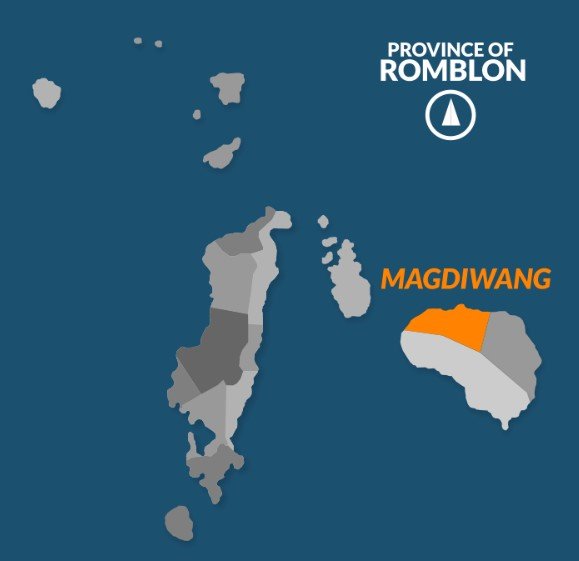
A NEWLY-ELECTED mayor of a coastal municipality in the province of Romblon is under fire for signing an executive order dated two weeks before assuming public office.
According to lawyer Allan Zuniega, in his capacity as legal counsel of Magdiwang Municipal Health Officer Elaine Ong-Tansiongco, Mayor Noel Machon signed Executive Order 011, dated June 17,2025.
Under EO 011, Machon ordered the creation of an expanded local health board, which according to Zuniega is in itself a violation of Republic Act 7160 (Local Government Code of 1991), which states that the local health board may only be composed of five members.
Under RA 7160, the local health board should only have five members — the local chief executive as chairman, the local health officer as vice-chair, and one representative each from the local legislative body, the Department of Health (DOH), and from the private sector or non-governmental organizations involved in health services.
“We were under the impression that the EO signed by Mayor Machon is a simple violation of RA 7160… but after reading the order, I realized that the date that he supposedly signed the document constitutes a criminal offense of usurpation of authority,” Zuniega told The PH Insider.
Aside from creating an expanded health board, Zuniega likewise questioned the motive behind the long list of names who were appointed as members of the “expanded local health board.”
“Most of them are not even close or may have very little knowledge and experience in rural healthcare… may dalawa pa yatang school principal and the rest, we were told, are his political supporters,” he added.
The 1987 Philippine Constitution provides that the term of office for most elected officials, including the President, Vice-President, Senators, and local government officials, begins at noon on June 30th following their election.
Aside from the premature release of appointment papers, Zuniega also took note of Machon’s Memorandum Order 003 warranting an “on-call duty system” for staff at the Municipal Health Office without the prior approval of the Municipal Health Board.
Under RA 7160, Zuniega added, such a directive holds no legal weight without the approval of the Municipal Health Board.
“Under the Local Government Code, executive orders from municipal mayors must first be approved by the provincial governor. But in this case, he was not yet the mayor when he created the Expanded Health Board,” the lawyer stressed.
“What’s even more concerning is that he went ahead and signed an executive order appointing members to the expanded municipal health board,” Zuniega added.
Meanwhile, DOH’s Dr. Jonathan Maglaya, who serves as the Doctor to the Barrio, claims to have consulted the health department regarding Memorandum Order No. 003.
Maglaya relayed what his DOH superiors told him — “Any program related to health services must first pass through and receive approval from the Municipal Health Board.”
Zuniega likewise urged Machon to seriously consider upholding the rights of the healthcare workers as provided under then law — “What’s even worse, there was no mention in his order that on-call duties would be remunerated, as provided under Republic Act 7305 or the Magna Carta for Public Health Workers.”
Mayor Machon has yet to issue an official statement.
IN TAGALOG WE call it “Buwan ng Multo”, in Cebuano “Bulan sa mga Multo”, in Ilocano “Bulan dagiti Anana”, and in Bicolano, you might hear “Buwan kan mga Kaluluwa.”Across dialects, the language shifts—multo, kaluluwa, anana—but the core belief stays the same: the dead are walking among us.
Why “Ghost Month”?
Ghost Month refers to the seventh lunar month, when traditional Chinese belief says the gates of hell open, allowing restless or “hungry” spirits to roam the earth—all hoping for offerings and prayers. In the Philippines, this tradition—imported largely via FilipinoChinese communities—has taken root among many other Filipinos too.
How It Impacts Work and Society
Businesses stall: Starting new projects, opening businesses, or signing contracts during Ghost Month is widely avoided—viewed as inviting misfortune.
Stock market slows: Even the Philippine Stock Exchange sees reduced activity during this time.
Work expectation shifts: Some businesses use the lull to develop teams, train staff, or prepare for the last quarter quietly and smartly rather than sprint ahead recklessly.
Still, not everyone buys these taboos—some call them excuses, not spiritual truth:
“No such thing as bawal magbayad during ghost month… pwede ka magissue ng demand letter.”
“Make your FAITH bigger than your fear, not the other way around.”
Personal and Emotional Layers
Ghost Month doesn’t just freeze contracts—it stirs feelings:
• Reflecting on loss: As spirits wander, many take the time to remember loved ones with offerings of food, incense, and joss paper—not because they literally feed ghosts, but to honor family and the departed.
• Heightened caution: Whistling at night, swimming alone, rescuing coins from the street—even hanging clothes overnight—are seen as risky, because they might invite spirits.
• Community empathy: In households, menor ceremonies or public temple offerings are held. The month may be seen as one of gloom, but it’s also one of compassion—for the living and the dead.
Why We Call It “Ghost Month”
Because it is literally a month for ghosts—not a trendy phrase, but a living tradition deriving from ancient Taoist and Buddhist roots, where hungry ghosts return seeking solace, and the living respond with humility and ritual.
The Soul of Ghost Month: A Filipino Take
Ghost Month in the Philippines is both pause and prayer. It’s a tradition that:
• invites reflection: slowing down when life pushes us fastest,
• cultivates respect: for ancestors, community wisdom, and spiritual landscapes,
• and offers connection: through shared practices across dialects, from Tagalog “atang” to Cebuano offerings outside the door.
And if all that depth doesn’t convince skeptics—remember: sometimes the best superstitions are the ones that teach us to pause, respect, and remember.
So whether you whisper “Buwan ng Multo” or “Bulan dagitiAnana”, Ghost Month at its heart asks us: Can we slow for a moment, honor what’s gone, and carry forward with more care?
Ghost Month in the Philippines—whether called by Tagalog, Cebuano, Ilocano, or Bicolano names—is a time when restless spirits are believed to roam. That belief ripples through our economy, community practices, and personal lives: discouraging big moves, inviting offerings, and giving us a chance to pause, remember, and respect.
AS OF JULY 2025, “Zero Balance Billing” is now in full swing across 87 DOH hospitals nationwide—including 10 major government hospitals in the Visayas. That means free medical care (no bills, no balance) for patients in basic or ward-level admissions. No catch. No cash. At least, on paper.
VISAYAS HOSPITALS NOW OFFERING ZERO BILLING:
• Don Jose S. Monfort Medical Center (Barotac Nuevo, Iloilo)
• Western Visayas Medical Center (Iloilo City)
• Western Visayas Sanitarium (Santa Barbara, Iloilo)
• Corazon Locsin Montelibano Memorial Hospital (Bacolod City)
• Vicente Sotto Memorial Medical Center (Cebu City)
• Eversley Childs Sanitarium (Mandaue City)
• St. Anthony Mother & Child Hospital (Cebu City)
• Cebu South Medical Center (Talisay, Cebu)
• Eastern Visayas Regional Medical Center (Tacloban)
• Gov. Celestino Gallares Memorial Hospital (Tagbilaran, Bohol)
That’s real coverage from north to south Visayas. But what do the people think?
“Libre nagyud, pero functional ba?” – What People Are Saying
Grateful but Watchful
Some families were overwhelmed with relief. One patient shared that their ₱650,000 surgery was completely covered under the ZBB and PhilHealth combo. No out-of-pocket expense. Just healing.
“Nangluya ko pag-abot, peronakauli ko ngabuhi, walaybayad. Kalipayngadilimabayran.”
Still Buying Medicine?
But not all stories were as smooth. On Reddit and local forums, netizens shared:
“The room is free—but we still had to buy our own meds from Mercury.”
Hospital supply chains are often broken. No meds = no miracles.
“Gift Gimmick?”
Some citizens weren’t buying the birthday rollout.
“He called it a gift. Uhm, no. It’s a responsibility.”
They’re right. Healthcare isn’t a favor—it’s a right.
Broken System, Brave People
One mother in Tacloban put it best:
“Free beds are good. But if no nurse comes when you ring the bell, what’s the point?”
Zero billing doesn’t erase understaffing, underfunding, or delays.
Let’s Break It Down:
What’s Working:
• Free medical care for the poor and struggling.
• Expanded access across the Visayas.
• Major savings for surgeries, labs, and inpatient care.
What’s Not:
• Shortage of supplies, meds, and staff.
• Not yet rolled out in all hospitals.
• PR spin dilutes trust—people want performance, not promises.
“Zero billing shouldn’t mean zero service. And it shouldn’t be a gift—it’s the government doing its job.”
If this is serious policy, then:
• Stock the meds
• Hire the staff
• Fund the facilities
Otherwise, Zero Billing will just be another headline with no heart.
ZBB can be the beginning of real healthcare justice—but only if we fix the cracks. Because real care isn’t just free. It’s functional, fair, and full of dignity. And the Filipino people deserve nothing less.
IT DIDN’T BEGIN with a press conference or a politician’s promise. It began on the slopes of Mt. Manunggal, in the shade of mangroves in Mindanao, and in the beating hearts of ordinary citizens ready to fight for a livable future.
Welcome to the unfolding of a real movement — the Green Multi-Party Partnership — led by the Green Party of the Philippines (GPP), and grounded in one bold idea:
“Change doesn’t trickle from the top. It erupts from the ground.”
And erupt it did.
Visayas Rising: On the Hills, Hope Took Root
On July 6, 2025, environmental leaders from across the Visayas gathered at Mt. Manunggal in Balamban, Cebu. The symbolic location wasn’t lost on anyone — once a site of historical resistance, it now became fertile ground for a new kind of uprising: environmental action.
The summit kicked off with “Earth Caring” — not a token activity, but a reminder that activism starts with care, not conflict. From there, GPP Chairperson David D’Angelo and National President Joseph Ramos called on everyone to take ownership of their local ecosystems, reminding us that national agendas must be rooted in local truths.
Engr. Richard Peñaflor brought clarity through numbers via the Green Survey, while Baltz Tribunalo, Cebu’s provincial convenor, brought it home with insights that spoke to the real lives of farmers, fisherfolk, and forest defenders. The youth, led by Tesha Arcamo of Kabataan Para saKalikasan, added the fire — creative, fierce, and forward-looking.
A World Café-style consultation brewed rich dialogue: How do we resist unsustainable development? How do we protect indigenous knowledge? What does climate justice look like from the ground up?
The day ended not with speeches, but with structure: Interim Visayas Officers were elected. The movement, no longer just a wave of voices, was now building muscle and memory.
Mindanao Rising: Planting Roots, Literally and Politically
From July 25–28, the movement shifted south. This time, it was Mindanao’s turn to rise — and rise it did.
The forum began in Cotabato City and moved to Koronadal, but before the policy talk came something far more poetic: Mangrove planting across the region. As participants waded through the brackish shores, they weren’t just planting trees — they were planting intentions.
“This is our line in the sand,” said one participant. “A living reminder that we were here — and we cared.”
On July 27, things turned strategic. A full day of consultations and Focus Group Discussions revealed a pattern: local leaders are not short on vision — they’re short on support. Using meta-cards, participants named their pain points and proposed grounded solutions: livelihood insecurity, climate impacts, gaps in environmental education, and lack of funding.
But these weren’t just rants. They were blueprints — soon to be part of a unified national green agenda.
By the end of the forum, new Mindanao officers were elected, and Engr. Penaflor led a moving commitment ceremony, anchoring the personal to the political.
From Local Murmurs to National Momentum
Across both islands, one thing was clear: this wasn’t about branding or partisanship. This was about survival, solidarity, and systemic change.
These consultations were joined by GPP External Vice President Ross Flores Del Rosario and Communications Officer Ranne Tubig, who ensured that everything — from finances to facilitation — stayed transparent and people-centered.
The outputs from Visayas and Mindanao will soon feed into a historic Red-Green National Consultation, setting the stage for an integrated green platform rooted not in ideology, but in lived experience.
Because the Planet Isn’t Optional
One thing that stood out was the tone of these gatherings. This wasn’t “doom and gloom” environmentalism. It was hopeful, gritty, occasionally funny, always human. People laughed, got tired, got inspired, and did the work anyway.
As one youth leader put it, “We don’t need to be perfect. We just need to keep planting — ideas, trees, hope.”
In a country battered by typhoons, flattened by floods, and betrayed by broken systems, the real climate solution isn’t a miracle. It’s a movement — and it’s growing.
So if you’re waiting for a sign to act, to join, to speak up — this is it. Because the Green Party isn’t just launching a political platform. They’re planting a future. And it’s one we all have the right — and duty — to grow.
Through the heartfelt initiative of the BLESSED Movement, its members, the leaders of four barangays in Quezon City, and other families affected by Typhoons Crising, Dante, and Emong were privileged to receive relief boxes from the Department of Social Welfare and Development. Made possible through the support of Social Welfare Undersecretary Pinky Romualdez, Director Jonathan Dirain, BLESSED Movement was led by Chairmen Herbert Antonio Martinez, Secretary Rex Gatchalian, and its Vice President for Linkages Joy Buendicho. Martinez was quoted as saying that “in times of trials, we are reminded that blessings are meant to be shared. As we always say, ‘Blessed to bless others’.” They also expressed appreciation to all national officers of BLESSED Movement for continued support.
OBEISANCE TO FOREIGN creditors’ dictates in exchange for loans, dismal production support to farmers and the obvious preference for shortcuts to supply distortions, through increasing rice imports have all led to the miseries of rice farmers, most of whom can’t even exist at current farmgate prices and would be forced to sacrifice their children’s education– their only gateway out of the clutches of worsening poverty.
Because of previous government’s desire to get more loans to fund projects and programs that the yawning budget deficit could not afford, the farm sector had to grapple with the Rice Tariffication Law, which emasculated, if not defanged, the National Food Authority and left the sector at the mercy of rice merchants and importers– who mostly behaved in a cartelized fashion and a department that adopted as first option increasing rice imports to stave off any supply shortage and surging prices for the grain.
The abrupt jumps in rice importation prompted the government to impose through EO 62 that took effect in June 2024, which reduced the tariff from 35 to 15 percent, in the hope that local retail prices would drop, which did not. Now, the DA is recommending the return of tariff to 35 percent as a protection to local farmers, whose produce have suffered miserably with farmgate prices for palay (unhusked rice) dropping to as low as P8/kilogram.
Through all these, traders and importers had their heyday– manipulating supplies to force prices further up.
Not even the new law defining hoarding, price manipulation and operating as a cartel as economic sabotage deterred them from pursuing their illegal activities.
FARMERS ARE SUFFERING
The combined effects of indecently low farmgate prices for palay and the damage wrought by successive typhoons and habagat in July causing flooding of rice fields and destruction to farm infrastructure, have further pushed farming to the brink of death.
A sharp drop in palay (unhusked rice) prices may force thousands of children from farming families to drop out of school, as incomes plunge and households struggle to meet basic expenses, Bilyonaryo quoted Magsasaka Partylist chair Argel Joseph Cabatbat.
Cabatbat said families are reaching a “tipping point,” citing income losses caused by declining farmgate prices and recent flooding.
“For farming families, education is often the first thing to be sacrificed during a financial crisis… when their harvest is wiped out due to low palay prices and the recent flooding, they lose not only their income but their ability to pay for school fees, supplies and transportation,” Cabatbat said.
Bilyonaryo mentioned an earlier warning of the Federation of Free Farmers that the ongoing crisis has already cost local rice farmers an estimated P54 billion in income.
Cabatbat added that studies have shown a direct link between income levels and school attendance. “As losses mount, students may be forced to drop out and contribute to household income.”
[T]raders and importers had their heyday– manipulating supplies to force prices further up. Not even the new law defining hoarding, price manipulation and operating as a cartel as economic sabotage deterred them from pursuing their illegal activities.
BRING BACK NFA’S POWERS
The DA and several agriculture groups are lobbying for amendments to the RTL, the very source of agriculture’s dismal state by liberalizing rice imports and stripping the NFA of its regulatory functions in 2018, to just maintaining buffer stocks of only 15 days (up from 9 days previously) for emergency requirements like typhoons.
However, RTL does not provide a clear mechanism for disposing of old inventory, leading to warehouse congestion during peak harvest seasons.
The government declared a national rice emergency earlier this year to allow the NFA to clear out old stocks, citing elevated retail prices.
While prices have since stabilized, the declaration remains in effect, enabling the agency to sell its inventory through the state-owned Food Terminal Inc. and distribute it via Kadiwa stores.
RESTORE OLD TARIFF RATES
The rice sector is urging the government to immediately restore import tariffs and set price thresholds to protect local farmers from sharply falling palay (unmilled rice) prices ahead of the main harvest season, Bilyonaryo reported.
The National Sectoral Committee (NSC) for rice under the Philippine Council for Agriculture and Fisheries convened an emergency meeting July 28 with Department of Agriculture Undersecretary Christopher Morales to address the crisis.
With palay prices dropping to as low as ₱8 per kilo in some areas, the NSC recommended reinstating the 35 percent tariff and establishing a palay price trigger to activate import safeguards once breached.
The meeting follows an earlier NSC roundtable in Clark, Pampanga, which focused on enhancing stakeholder engagement and consultation processes.
“The Rice Tariffication Law (RTL) actually allows us to raise tariffs to as much as 35 percent for imports from ASEAN countries and 198 percent for non-ASEAN rice. It also permits the imposition of so-called safeguard duties, or even a temporary import ban, to arrest an import surge,” said FFF national manager Raul Montemayor adding that “the government does not have to wait for an amendment to the RTL to do all these.”
RAISE TARIFFS ASAP
The FFF and other agricultural groups have been pressing the government to increase tariffs to address a nationwide freefall in palay prices, which has cost farmers an estimated ₱54.5 billion and resulted in billions of pesos in lost government revenue.
The surplus supply has also disrupted rice traders and millers, while many farmers are reportedly defaulting on loans.
The government’s failure to adjust tariffs is reportedly discouraging planting, raising concerns over the country’s growing dependence on imports.
“The government must act now instead of pointing the finger at allegedly unscrupulous rice traders or the need to first amend the RTL,” Montemayor said.
While the FFF recognizes the need to amend the RTL, it warns against reverting to the previous system marred by corruption and massive government losses. Proposed reforms should instead focus on enhancing industry monitoring and regulation and granting the National Food Authority greater flexibility in managing rice supply and demand.
“The government should intervene only when rice prices go up too high, or palay prices fall below a certain benchmark. There may be no need for aggressive NFA palay buying or rice selling if the government is able to manage the entry of imports to prevent either supply shortages or gluts,” Montemayor added.
IN A SECOND public statement, Leyte Representative Jude Acidre renewed his criticism of the Department of Tourism (DOT), citing unresolved issues flagged by the Commission on Audit (COA) and what he described as a pattern of deflection by Secretary Christina Garcia Frasco.
“I had hoped Secretary Frasco would respond with facts and clarity,” Acidre said. “Instead, she framed oversight as a political attack. That does a disservice to the public.”
Acidre’s latest comments come weeks after his initial remarks raised concerns over the DOT’s budget performance and spending patterns. Instead of allaying doubts, he said, the department’s response only reinforced the need for deeper scrutiny.
SERIOUS CONCERNS
At the heart of Acidre’s criticism are the findings from the 2022 COA audit, which revealed questionable fund management and poor financial reporting from the DOT and its marketing arm, the Tourism Promotions Board (TPB). Among the most serious concerns:
• ₱483.8 million in unliquidated fund transfers;
• ₱618.7 million in receivables with discrepancies;
• ₱196.8 million in unused funds that were not returned to the National Treasury;
• ₱288.9 million in idle corporate funds with no stated purpose, and
• ₱4.8 million in foreign travel expenses flagged as excessive or unnecessary.
“These aren’t political talking points. They’re official audit findings,” Acidre said. “They point to systemic problems that deserve real answers—not public relations spin.”
MISLEADING NARRATIVE
Frasco had earlier touted that a ₱200 million tourism promotion budget generated ₱3.86 trillion in visitor receipts, citing it as evidence of DOT’s efficiency. But Acidre countered that this was a “misleading narrative,” explaining that the figure represented the broader tourism industry’s output and not a direct result of DOT spending.
“That number includes the work of airlines, hotels, LGUs, and even OFW visits. To present it as a direct return on promotion spending is inaccurate,” he noted.
Another area of concern, according to Acidre, is the implementation of the department’s flagship “Tourism Rest Areas” (TRAs). While intended to provide rest stops and services in key travel areas, several of these facilities were built in locations with little to no tourism traffic.
“These projects appear poorly planned and politically convenient,” he said. “Are we building for visitors—or for visibility?”
DEAFENING SILENCE
Adding to the weight of his critique is what Acidre calls a “deafening silence” from the administration itself. President Ferdinand Marcos Jr., who previously held the tourism portfolio under his economic team, made no mention of tourism in his recent State of the Nation Address.
“That omission is telling. It invites the question: Is the DOT truly delivering the impact we expect from such a vital agency?” he asked.
Frasco has since suggested that proposed budget cuts to the DOT were politically motivated. But Acidre quickly dismissed the claim, pointing out that her husband, Cebu Representative Duke Frasco, sat as Deputy Speaker during the budget deliberations.
“If the budget was unfair, why didn’t he object?” Acidre asked. “The facts don’t support the narrative that this is political targeting.”
The lawmaker emphasized that his critique was not an attack on tourism workers or the sector itself. In fact, he said, it was the opposite.
“Our tourism frontliners, entrepreneurs, and local partners deserve a department that leads with competence and vision,” he said. “Framing oversight as an insult to them is a form of misdirection. The issue is management, not the mission.”
AMPLE OPPORTUNITY
With the 2026 budget hearings approaching, Acidre said Secretary Frasco will have ample opportunity to defend her agency’s performance before the House.
“Those deliberations are the proper forum—not social media, not press statements,” he said. “If the DOT is confident in its performance, it should welcome scrutiny, not evade it.”
For now, Acidre’s stance remains firm: the public deserves clear answers, transparent records, and a tourism agency that spends wisely and delivers measurable results.
“Tourism is a key driver of jobs and growth. But to truly support the industry, we must first ensure that it is managed with integrity,” he said. “As the President said: ‘Mahiya naman tayo.’ It’s time for leadership marked by humility and accountability—not defensiveness.”
PRESIDENT FERDINAND MARCOS Jr. leads the launching of Metropolitan Manila Development Authority (MMDA)’s ‘Bayanihan sa Estero’ program at Buli Creek, Ilugin River in Pinagbuhatan, Pasig City on Saturday. Marcos was joined by Pasig City Mayor Vico Sotto, DILG Secretary Jonvic Remulla, MMDA Chairman Don Artes, and other government officials during the event. The project aims to intensify efforts to clean and maintain drainage infrastructure in Metro Manila to prevent clogging that contributes to severe flooding during the rainy season.
WITH THE RESETTING of the Barangay and Sangguniang Kabataan Elections (BSKE) to be formalized ten days from now, the Commission on Elections (Comelec) announced that it will still continue voter registration and election preparations as it awaits President Ferdinand Marcos Jr. to sign the measure that will postpone the polls from December to November next year.
According Comelec chairman George Erwin Garcia, the Office of the Executive Secretary has informed them of the scheduled signing ceremony at 2:00 in the afternoon of August 12.
The measure will officially reset the December 1, 2025 elections to an unspecified date in November 2026 even as the terms of barangay (village) and Sangguniang Kabataan (SK) officials will be extended from three to four years. “If that’s the case, then it’s very clear that the elections on December 1 will not push through. But the Comelec will not stop the registration. We will continue all of this within the 10-day period,” Garcia disclosed during a voter registration event in Pampanga
‘The poll body expects a registration turnout that could reach around one million new voters, most of whom are projected to be from youth sector for the SK polls.’
NOT YET FINAL The Comelec commissioner clarified, though, that the President’s signature does not immediately make the postponement final because “even after it is signed, the law must be published to take effect and it could still be challenged before the Supreme Court.”
So the poll chief rationalized that “if a TRO (temporary restraining order) is issued and (the Commission) is unprepared, (the country’s electoral process) could face a crisis.”
Comelec is holding a nationwide 10-day registration campaign that began on July 31. The drive will run until August 10 in local Comelec offices and mall registration sites, and until August 7 in mobile registration applications anywhere.
The poll body expects a registration turnout that could reach around one million new voters, most of whom are projected to be from youth sector for the SK polls.
“The special registration will allow even out-of-town voters to sign up. This is not a satellite registration. This is a special registration anywhere, meaning we’re accommodating voters even from other provinces,” Garcia noted while emphasizing the urgency of holding the registration after Comelec found itself to have no choice but to push through the poll preparations due to Congress’ delay in passing the postponement bill.
“If we don’t conduct registration, we won’t have 15- to 17-year-old voters eligible for the SK elections. These youth voters are essential and we must serve them,” he pointed out.
ONLINE REACTIVATION Garcia reminded the public that submitting an application does not automatically guarantee voter registration because applications will still undergo review before being forwarded to the Election Registration Board in the applicant’s hometown for posting and possible objections.
Comelec will likewise allow online reactivation for deactivated voters who already have biometric records. However, new or first-time registrants must still appear in person due to legal constraints.
ON AUGUST 23, 1896, the Cry of Pugadlawin occurred. It was then when Andres Bonifacio and the members of the Katipunan began to revolt against Spain. On August 1st of 1898, Emilio Aguinaldo asked United States Government to recognize the revolutionary government of the Filipinos.
On August 13, 1898, the mock Battle of Manila between the Spanish and American Forces happened such that Manila would not go to Philippine forces. It ended the Spanish-American War and marked the beginning of American colonization not just of Manila but the whole archipelago. Filipino revolutionaries under Gen. Emilio Aguinaldo felt betrayed as they would already have gained independence but with the mock battle, the country was transferred from Spanish Rule to the Americans.
On August 19, 1916, the US Congress enacted the Jones Law or Philippine Autonomy Act of 1916.
On August 4, 1964, Philippine Independence Day was designated to be on the 12th of June.
On August 21, 1983, former Senator Benigno S. Aquino Jr. was assassinated and the event led to demonstrations and protests until EDSA People Power Revolution. And we can go on and on.
‘History Week used to be celebrated every 15th to the 21st of September every year by virtue of Proclamation 1304 in 1974. It was repealed, and transferred to August and renamed History Month…’
NATIONAL HEROES DAY August is such an important month in terms of historical events, but it was on February 16, 2012 that the month of August was declared History Month by virtue of Proclamation No. 339 signed by former President Benigno S. Aquino III.
History Week used to be celebrated every 15th to the 21st of September every year by virtue of Proclamation 1304 in 1974. It was repealed, and transferred to August and renamed History Month “to emphasize the most significant turning points in Philippine history, and concludes on August 30th as National Heroes Day.”
HISTOEX 2025 For this year, the premier government agency in charge of the celebrations, the National Historical Commission of the Philippines (NHCP), has prepared HistoEx 2025 with performances, interactive exhibitions, lectures, talks, games, booksale, shops, and reenactments on August 1-3 at the Quantum Skyview of a mall in Quezon City. Other government and nongovernment agencies also have their own ways of celebrating.
Why is it important to have one month dedicated to history?
It helps us remember, recognize, and honor the contributions, the struggles and victories of the individuals and groups of people that have taken part in our history. It raises awareness on the vital roles of various communities, fostering empathy and solidarity. It preserves and promotes cultural heritage and identity, recognizing important events and promoting understanding and inclusivity. It educates about the past, inspires us with stories on overcoming adversity, and encourages us to work towards a more equitable society. It could even encourage people to discover and preserve their personal and family histories which in turn, may be beneficial to the country.
History month is a powerful way to promote understanding by highlighting the diverse experiences and contributions that shaped our country.
How about our local histories? Maybe we can help in writing one where there is none.