


Three days. Many voices. One call: it’s time for the Philippines to move—from ideas to action, from speeches to moral courage. Padayon sa Pagbabago brought together leaders, thinkers, and changemakers who believe that real reform is not just systemic—it’s personal.
Day 1: Rizal at 70 — More Than a Hero on a Wall
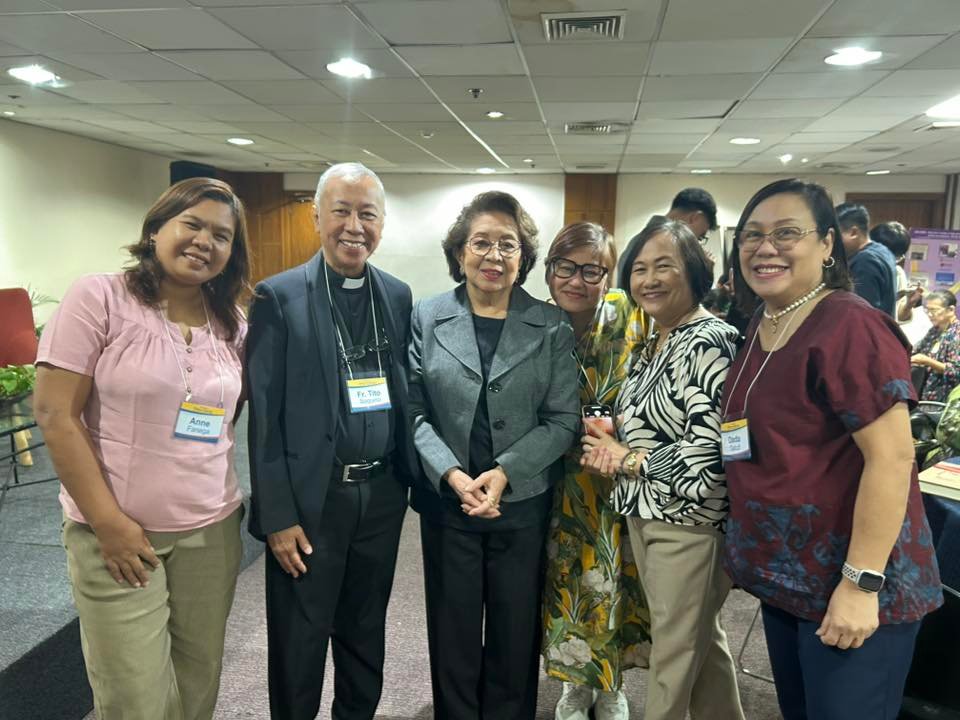
The opening of Padayon sa Pagbabago was more than ceremonial patriotism—it was a wake-up call. Fr. Tito D. Soquino, OSA, led the Doxology, followed by the Santiago Trillana Academy Concert Chorus in a stirring Bayan Ko / Impossible Dream. The message? Wake up. Pay attention. Act.
MCs Chenny Galano and Susie De Leon set the tone: this was a space for courage, not comfort. Former Secretary-General Del. Jose Leviste Jr. reminded everyone that a nation is both inheritance and unfinished vow—completed only by those willing to take responsibility.
Former Supreme Court Associate Justice and Ombudsman Conchita Carpio-Morales added the moral anchor. Rizal, she said, was never meant to be framed—he was meant to be lived. Laws crumble when conscience fades. Corruption thrives when citizens stop caring.
The afternoon dug deeper into the systems behind the headlines. Maria Belinda Villavicencio explained why reforms fail when they treat symptoms instead of causes. Del. Lilia de Lima called out political dynasties as “corruption factories,” while Dr. Maria Cielo Magno emphasized that prosecution alone cannot fix governance—real reform requires changing relationships, incentives, and institutional design.
Day 2: The Hero’s Journey — Youth, Hope, and Systems That Work
Day 2 spotlighted the youth as the true heroes of national transformation. Senator Paolo Benigno “Bam” Aquino IV reminded participants that ang kabataan ang pag-asa ng bayanis only real when systems equip hope to act.
Aquino highlighted the largest education budget in Philippine history—but warned that transparency is still missing. Enter the CADENA Act: Blockchain the Budget. With it, citizens can track public funds down to the last centavo. His point? Money of the people must be protected. AI may detect corruption—but only humans have the courage and conscience to act.
The day closed with reflection and remembrance. A tribute to Nicanor Perlas, screening of Lakaran: Ang Banal na Tadhana ng Pilipinas, and journaling exercises reminded participants that moral courage is human-only. Technology can assist, but it cannot replace conscience.
Day 3: Business With Purpose
Day 3 shifted to the marketplace. Under the theme Ecosystem Leaders Investing Across Sectors (ELIAS), participants explored how business can drive national transformation. Mindfulness circles set the tone, grounding the day in presence before action.
The “Business as a Force for Good” panel delivered a clear message: social enterprise isn’t just profit—it’s purpose. Elvin Uy, Executive Director of Phil. Business for Social Progress; Raf Dionisia, Founder MAD Travel Inc; and Louie Gutierrez, Silverworks CEO, Founder Urban Farms, BGC stressed that business serves workers, communities, and the nation. Profit is necessary—but purpose is non-negotiable.
U-Process clinics, dialogue walks, and the Tree of Intention turned reflection into commitment. The question became: “What will I do, with whom, and starting now?”
One Lakaran, One Call
Three days, countless conversations, one truth: reform is systemic, moral, and collective. Rizal did not live for polite applause. Nicanor Perlas did not teach so we could stay comfortable.
They walked—so we would walk our talk.
Padayon ang Lakaran. Padayon sa Pagbabago.
The important thing is—keep moving.
may ur cause spread and be recognized by many