


HOPELESSNESS IF LEFT unchecked could lead to desperation as Filipinos are feeling the dire reality of rising cost of living, energy prices, food inflation, minimal wage increases while on the other end of the spectrum are billions of pesos in tax money being lost or stashed abroad by crooks.
Filipinos’ expectations of financial improvement in the next 12 months plunged to its lowest levels in four years, with inflation, rising living costs and energy prices cited as the leading concerns affecting consumers’ financial outlooks, according to an article which appeared in the Business Mirror.
The “2026 Credit Perception Index” report by Transunion Information Solutions Inc. further revealed that in the next three months, only 64 percent of Filipinos said their financial situation will be better. This is the lowest rate since 2023 or when TransUnion started tracking Filipino consumers’ sentiment, the report stated.
Also, the percentage of Filipinos who see financial well-being will ease in the next 12 months plummeted to 73 percent, also the lowest in four years.
The study pointed to inflation, rising living costs and energy prices as major dampeners to the confidence of people polled by Transunion.
Inflation peaked to 7.2 percent in April as ripple effects of the war in the Middle East pushed local gasoline prices to hit nearly $2 to a third of a gallon.
In the next three months, 61 percent of Filipinos expressed concern over inflation while 60 percent fret over the fuel price volatility, the report added.
Meanwhile, 44 percent expressed worries over higher household expenses such as rent, utilities and groceries while 35 percent fret over geopolitical uncertainties. About 34 percent fear the possibility of recession over the three-month horizon.
Projections also showed that 61 percent of Filipinos have grown apprehensive over the erratic fuel prices. The same percentage of people also flagged higher living costs as one of the top culprits for their waning financial confidence.
These were followed by recession concerns, which 44 percent Filipinos are worrying about in the next 12 months while 41 percent are fretting over geopolitical uncertainties and 39 percent expressed concern on rising household expenses.
As fewer Filipinos believe their financial situation will improve in the coming year, the study showed that Filipinos may likely secure loans — or use “credit lines” to support everyday financial needs.
The study revealed that 59 percent utilize credit for emergency expenses, 50 percent use credit products for personal expenses and 45 percent said they use credit for family expenses.
About 36 percent of Filipinos said they borrow to pay utility bills while 29 percent said they use credit products for education.
TransUnion Philippines President and CEO Peter Faulhaber considers such behavior as a “sign of a maturing perception of credit.”
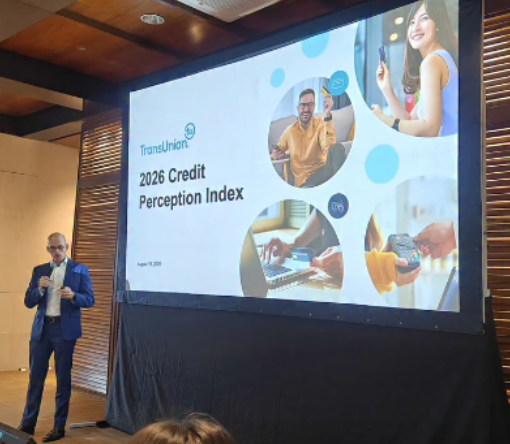
“So rather than using credit, perhaps, to just buy things that aren’t necessarily important, or just rack up really large bills, they’re using it strategically for specific purposes, which shows us, at least from an education perspective, they’re aware of what it can be used for, how they can use it, the requirements to pay back,” Faulhaber said during a briefing last Wednesday.
He added that emergency expenses as the top reason behind Filipinos’ use for credit is “actually a good sign.”
“I think if there were more discretionary items at the top, that would concern us more, because that would show us that the education and the important uses of credit is not necessarily where we want it to be,” Faulhaber quipped.