FAR FROM THE usual denial, the government’s top tax collector admitted the existence of corruption at the Bureau of Internal Revenue (BIR).
During the Senate blue ribbon committee hearing, BIR Commissioner Charlito Mendoza expressed willingness to cooperate with the “congressional investigation in aid of legislation.”
“We from the BIR appeared before you today, with openness and humility to respond to and to clarify the issues that brought us here… and to listen, learn and work with the Senate to strengthen our tax system,” Menza averred.
Suspended Field Audits
Prior to the senate investigation, Mendoza issued Revenue Memorandum Circular 107-2025 which effectively suspended all field audits and related operations nationwide to address widespread complaints of extortion and abuse involving the issuance of Letters of Authority (LOAs).
According to Mendoza, the suspension of all field audits would give way to policy reviews and implementation of reforms for better taxpayer rights protection.
Aside from the issuance of LOAs, the suspension also covers mission orders, examining books of accounts, and field investigations.
Interestingly, the suspension does not apply for cases nearing prescription, tax evasion, closure of businesses, and specific urgent matters.
No Way To Dump LOA
Former BIR Commissioner Kim Henares, who formed part of the committee hearing’s panel of resource persons, cited the need for BIR to sustain efforts primarily designed to ensure tax compliance.
According to Henares, the mechanism referred to as LOA is necessary to ensure that businesses are paying taxes corresponding to its revenue.
“That Letter of Authority pushes behavior of compliance… so yun po ang hindi pwede mawala. Yung takot, kasi marami po ang hindi nagbabayad ng tamang buwis,” the former BIR chief was quoted as saying during the Senate hearing.
Henares likewise cited a study which she claimed had the country at the losing end because of the absence of “safeguards.” She however did not delve into details.
“Meron pong study na we have not collected more than one trillion pesos from tax evasion.”
Hands On DOF Chief
Likewise present during the senate probe was Finance Secretary Frederick Go, who made a commitment to the August chamber that the Marcos administration would not allow crooks to squander taxes being paid by the Filipino people.
“We welcome this investigation. President Ferdinand Marcos Jr. has made it unequivocally clear — we will not tolerate corruption in the government,” Go told the senators in attendance at the congressional probe into the issuance of LOAs.
According to the Finance Secretary, Mendoza’s order to suspend issuance of LOA and other field activities would enable an increased focus on protecting taxpayer rights and improving internal controls.
The country’s business groups have already signified support to Mendoza’s radical reforms at the government’s revenue bureau.
NATIONAL OUTSTANDING debts leapt to P17.6 trillion in October 2025– exceeding the government’s forecast of P17.36 trillion all pork barrel projects of the Marcos administration.
Worse, a big chunk of the budget goes to pork barrel and corruption, so much borrowed money did not even go to vital social services and social protection for millions of poor and vulnerable Filipino families, helping distressed farmers and fisherfolk or supporting hundreds of thousands of struggling small businesses.
Think tank IBON Foundation said outstanding national government debt ballooned to P17.6 trillion with no clear indications of paring or reducing debt in just a few weeks before 2026.
From June 2022, debt jumped from P12.79 trillion in June 2022 (at the start of the Marcos administration) to its current level of P17.6 trillion, or by P4.8 trillion (37.3%).
P208.3-B Monthly Debt
The administration’s gross borrowings are at a record P208.3 billion per month, which is at a faster rate than Duterte’s P130.6 billion and Noynoy Aquino’s P61.5 billion combined.
The huge increase in debt corresponds to huge increases in controversial budgetary indicators of pork barrel under Marcos Jr.
For instance, unprogrammed appropriations – projects and programs without earmarked funds suspected to bloat because of pork barrel projects – spiked from P251 billion in 2022 to P807 billion in 2023, P731.5 billion in 2024 and P531.7 billion in 2025.
Flood Control As Usual
The biggest budget increase in flood control projects also happened under Marcos Jr. — P68.3 billion in 2023 and P69.6 billion in 2024. The flood control project budgets of P283.2 billion in 2023, P352.8 billion in 2024 and P350.5 billion in 2025 are the largest flood control project allocations in the budget’s history.
Still, the unfolding corruption exposés confirm that hundreds of billions of pesos in government funds, including borrowing, has not gone towards improving the people’s welfare or ensuring genuine development.
These funds are instead going to the pockets of the powerful and wealthy few via pork barrel insertions throughout the budget process.
P695-B in 2026 Budget
The Makabayan bloc estimates that P695.8 billion of the proposed 2026 budget is presidential and legislative pork – funds that should be going to much-needed ayuda, schools and health facilities, and agriculture, among others.
Left unchecked, corruption will keep the debt growing needlessly just to accrue even more wealth for the president and his cronies, when every peso of government finances should be going to uplifting Filipinos’ welfare and strengthening development.
Corruption Drives Economy
IBON Foundation said the Philippine economy is driven by corruption and exclusionary growth, with ballooning government debt used for pork barrels, worsening jobs crisis despite labor participation, and slow Q3 2025 growth (4%) due to lack of investment in agriculture/industry.
Recent news highlights include exposing privatization as “systemic theft,” criticizing the Marcos Jr. admin for failing farmers, and warning about rising debt from “pork barrel addiction” and corruption-driven budgets.
The foundation also criticized the administration’s focus on market-driven policies and lack of support for domestic development. It also called for anti- corruption crackdowns and higher wages.
KIA HAS UNVEILED the second-generation Seltos, marking a bold evolution of its globally successful subcompact SUV. The new model reinforces Kia’s design leadership and commitment to practical, advanced mobility for modern lifestyles.
Re-engineered for greater confidence and smarter everyday usability, the all-new Seltos pairs authentic SUV presence with upgraded technology, comfort, and value—setting a new standard in the segment. Its online world premiere, themed “The Protagonist,” highlighted how the Seltos empowers drivers to pursue achievement, freedom, and deeper personal connections.
“Kia Seltos has always delivered best-in-class value, and the next-generation model builds on that legacy with features that reflect the diverse passions of our customers,” said Ho Sung Song, president and CEO of Kia Corporation.
Confident, practical, and stylish
The all-new Seltos showcases Kia’s bold, modern SUV identity, offering versatile packaging, enhanced comfort, and seamless connectivity. Designed for individuality and everyday practicality, it combines urban agility with family-ready space and convenience.
Guided by Kia’s Opposites United design philosophy, the Seltos embodies rugged capability and refined modernity with a wider stance and precisely sculpted surfaces.
A balanced range of powertrains meets diverse global needs:
• 1.6L T-GDI (Standard Output): 180 PS, 265 Newton-meters (Nm), with 7-speed DCT or 6-speed MT
• 1.6L T-GDI (High Output): up to 193 PS, 265 Nm, with 8-speed AT
• 2.0L petrol: 149 PS, 179 Nm, tuned for efficiency and smooth daily driving
Optional all-wheel drive, multi-link rear suspension, and Terrain Mode (Snow, Mud, Sand) enhance capability, while Drive Mode Select (Eco, Normal, Sport) tailors performance to varied environments. A hybrid variant joins the lineup in 2026.
Global production begins in December 2025 in India, followed by launches in Korea, North America, Europe, and China throughout 2026.
THE NEW ANTI-POGO Law needs to capacitate the new Presidential Anti-Organized Crime Commission (PAOCC) Law to flush out overstaying aliens.
Republic Act 12312, also known as the Anti-POGO Act of 2025, which institutionalizes a ban on Philippine Offshore Gaming Operators (POGOs) in the Philippines was signed into law on October 23, 2025.
It repealed Republic Act 11590, the old law that taxed POGOs but gave rise to public dismay due to a spike in heinous crimes statistics attributed to the offshore gaming operations.
The new law ended the sway of the POGOs—their establishment, and related activities, such as providing services to them.
‘It will be recalled that the new law was passed citing risks to national security as its main desideratum. Without additional funding, the PAOCC will be financially bled dry and the goal of the law will remain just that: a goal.’
Aside from the express repeal of RA 11590, the salient features of the new law, among others, are:
(a) Nationwide ban: The law permanently prohibits the establishment, operation, or conduct of offshore gaming in the Philippines; (b) Criminalizes POGO-related activities: The act prohibits a wide range of activities, including accepting bets for offshore gaming, acting as a POGO service or content provider, and establishing POGO hubs; (c) Penalizes aiding and abetting: It also criminalizes aiding or abetting POGO operations, such as providing property, documents, or digital platforms in support of their activities; (d) Cancels work permits: The law automatically cancels the work permits and visas of all individuals engaged in POGO operations; and (e) Mandates asset forfeiture: It mandates the forfeiture of all POGO-related properties and equipment.
The new law also created and/or constituted the Administrative Oversight Committee (AOC) chaired by the Presidential Anti-Organized Crime Commission (PAOCC), the Department of Justice (DOJ), Department of Interior and Local Government (DILG), Department of Information and Communication Technology (DICT) as members.
IMPLEMENTATION OF THE NEW LAW
AOC’s main task is to oversee the implementation of the law.
However, with the stewardship of the law’s implementation vested in the newly created Administrative Oversight Committee (AOC) whose chair—the PAOCC has insufficient funds, it would be best for Congress to allocate some Php300 million to PAOCC’s operation to defray the AOC-related expenses that will be incurred in the implementation of the new law, especially the flushing out of thousands upon thousands of foreign nationals whose visas and other travel authorities have expired.
These unaccounted foreign nationals have long gone into hiding posing a serious national security issue.
It will be recalled that the new law was passed citing risks to national security as its main desideratum.
Without additional funding, the PAOCC will be financially bled dry and the goal of the law will remain just that: a goal.
The new Executive Secretary and the new Executive Office of the PAOCC should seek the congressional support of Senators Win Gatchalian, Chair of the Senate Finance Committee, and Riza Hontivirus—both staunch anti-POGO advocates, to propose amendments to the 2026 budget proposals, if only to see the fruition of the nation’s vehemence over POGO-related crimes.
EVER NOTICE HOW a joke can make some people laugh and others – well, mad enough to text their ex about it? Satire is clever, funny, but sometimes it hits right where it hurts.
The Back Story
Satire ishumor with a knife— it jokes, but it also:
Exposes
Points out
Pokes at ego, pride, mistakes, hypocrisy
So when some people hear satire, they don’t hear the joke… they hear the knife.
Hits Too Close to Home Satire is basically holding up a mirror.
When people see themselves in the joke, it stops being funny and starts feeling personal.
Situation: Your friend jokes, “Some of us are always late!” and you just got a warning at work for being late.
Why it stings:
It’s not the joke — it’s that reflection of reality you weren’t ready to face.
Humor suddenly feels like criticism.
Message vs. Attack Good satire teases ideas – not people.
But not everyone catches the difference — sometimes they hear a jab and think it’s aimed at them.
Situation: A comedian jokes about “over-sharers on social media,” and someone in the audience immediately gets defensive.
Why it stings:
They focus on themselves instead of the bigger point.
Satire’s goal is thought, not offense — but that nuance gets lost when pride jumps in.
Humor Isn’t One-Size-Fits-All Different personalities, moods, and life experiences change how humor lands.
What cracks one person up can annoy another instantly.
Situation: A meme about “Monday blues” pops up. Cousin laughs, “Haha, me!” Aunt frowns, “Not funny…”
Why it stings:
Timing, context, and personality all shape reactions.
Humor is subjective — and that’s why some jokes hit, others miss.
Emotions Win First, Logic Checks Out Even the smartest satire can fail if emotions are already high.
When people feel attacked or irritated, reflection disappears.
Situation: A friend jokes, “Drivers today… hmm,” while you’re stuck in a jam.
Why it stings:
Your mood hijacks your response.
Instead of thinking, “Haha, fair point,” irritation wins, and the punchline feels like an insult.
Context Is Everything Online, satire can explode out of proportion.
Tone, facial expressions, or a playful wink are missing — words alone can misfire.
Situation: You post, “Another Zoom meeting, yay!” online, and someone texts, “Wow, rude much?”
Why it stings:
Without context, humor can look like criticism.
Satire relies on delivery, and online, that delivery is easy to misread — like spilling hot coffee on a white shirt.
Tips And Techniques
Satire isn’t the enemy. It’s playful, clever, and meant to make people think — if you let it.
Pause, laugh, and ask yourself, “Why did that hit me?”
Most times, it’s not the joke. It’s the truth hiding in the punchline.
The next time a joke lands a little too close, don’t let your mood jump ahead of your mind.
Remind yourself that not everything is an attack. Sometimes it’s just life nudging you to lighten up a bit.
Remember: Smile a little – life’s too short to take every joke personally
A NEW PEER-REVIEWED study led by the CatalightResearch Institute found that autistic youth and young adults who participated in a personalized coaching program experienced meaningful improvements in executive functioning and overall wellbeing.
Researchers reviewed records from 234 participants enrolled in Compass-Behavioral, a coaching program that helps individuals set goals and develop practical strategies for communication, self-management, and daily life. Participants completed 10–14 sessions with a licensed or certified behavioral health clinician trained in the model. Each session lasted 45–60 minutes over a 3- to 6-month period.
Key Findings
• Participants most often selected goals related to daily functioning, including self-management and social communication.
• They showed significant gains in multiple areas, including sleep, self-observation, self-advocacy, and self-management.
• Exit surveys indicated strong improvements in self-awareness, coping strategies, and confidence.
“Our findings suggest that short-term, structured coaching can have a meaningful impact on the lives of young autistic people,” said Lindsey Sneed, Ph.D., BCBA-D, co-lead author and vice president of clinical excellence at Catalight. “When young people help set their own goals and receive support to reach them, they begin to recognize their strengths—boosting confidence at home, school, and in the community.”
Compass-Behavioral uses structured one-on-one coaching and motivational interviewing to support autonomy, communication, and daily life management. Clinicians complete a six-hour training and receive mentoring from experienced providers before delivering the program.
“Our research indicates that clinicians now have a powerful, practical tool that—with relatively brief training—can help autistic youth and young adults build confidence and strengthen essential life skills,” said Doreen Samelson, Ed.D., MSCP, co-lead author and chief clinical officer at Catalight. “The data show that Compass-Behavioral fosters supportive interactions that can make a real difference in daily life.”
The study, “Initial Analysis of the Effectiveness of Compass-Behavioral for Autistic Youth: A Community-Based Retrospective Analysis,” was published in Behavioral Sciences. One contributing author was affiliated with EastersealsNorthern California
FILIPINOS ARE AMONG the most discriminate foodies in Asia, which explains the diversity of local cuisine across regions of the country.
Also, the more adventurous Filipino foodies seek destinations in Asia that also have their own menus that tickle the palate. And they need not look farther than the list of Agoda, a digital travel platform, of must-visit foodie destinations across Asia for travelers who plan their trips as much around meals as monuments.
From sizzling street-side noodles to centuries-old markets, these cities show how food can shape the heart of a journey.
Agoda’s 2026 Travel Outlook Report highlights a rising trend: travelers are increasingly motivated by culinary experiences, seeking local flavors, regional specialties, and food-focused adventures.
“Food is no longer just a nice-to-have—it’s becoming a key reason people choose where to go,” said Krishna Rathi, Associate Vice President at Agoda. “From khao soi in Chiang Mai to tonkotsu ramen in Fukuoka, Asia isn’t just a destination; it’s a menu.”
Agoda’s top six flavor-filled destinations in Asia include:
1. Chiang Mai, Thailand – Known for khao soi, sai ua, and vibrant night markets, this northern city offers rich Lanna flavors and a laid-back cultural vibe.
2. Penang (George Town), Malaysia – A blend of Malay, Chinese, and Indian influences shines through dishes like char kway teow, asam laksa, and nasi kandar, all found in lively kopitiams and hawker centers.
3. Hoi An, Vietnam – Lantern-lit streets and riverside markets set the scene for cao lau, white rose dumplings, and local banh mi, with cooking classes adding hands-on cultural immersion.
4. Tainan, Taiwan – Taiwan’s unofficial food capital offers dan zai noodles, milkfish dishes, coffin toast, and classic night-market snacks, best enjoyed among historic temples and old streets.
5. Jeonju, South Korea – The birthplace of Jeonju-style bibimbap pairs tradition with warm hospitality, from hanok teahouses to makgeolli eateries and generous banchan spreads.
6. Fukuoka, Japan – Famous for Hakata-style tonkotsu ramen and riverside yatai stalls, Fukuoka delivers approachable, flavorful Japanese cuisine in a relaxed setting.
With over 6 million properties, 130,000 flight routes, and 300,000 activities—bookable together in one itinerary—Agoda makes it easy to plan your next culinary adventure.
THERE ARE MANY ways to end a long workweek—Netflix, power nap, tsaa sa balay, or pretending to answer emails while actually scrolling Facebook. But last Saturday, thanks to the generosity of Ms. Leony Garcia, my SEA Inc. colleagues and I found ourselves choosing a far more magical option: falling straight down the rabbit hole into Ballet Philippines’ Alice in Wonderland.
We were not ready—and we loved every minute of it.
A Wonderland Reimagined… Literally
Before stepping into The Theatre at Solaire, I thought I knew Alice in Wonderland. I grew up with the book’s eccentric characters, bizarre logic, and that one chaotic tea party that felt like a family reunion. But Ballet Philippines had other plans.
This production—part of their 56th Season lineup—was “Alice like you’ve never seen,” and that promise proved true the moment the lights dimmed.
Choreographed by Artistic Director Mikhail Martynyuk, this adaptation blended breathtaking ballet with comedic pantomime—a combination I didn’t know I needed in my life until last night.
The moment Alice chased the White Rabbit across the stage, we were hooked. Suddenly, we were children again—wide-eyed, confused, delighted, and whispering “Ay, grabe ka-ayo” at every turn.
The SEA Inc. Team, Fully Immersed
There’s something delightful about watching your co-workers react to pure whimsy.
One seatmate gasped so loudly when Alice shrank after eating the enchanted cake, I thought she’d fall off her seat. Another couldn’t stop laughing at the Caterpillar, who somehow managed to look both philosophical and sassily unbothered—exactly the energy we all aspire to bring to Monday meetings.
And the tea party scene? Chaotic brilliance. The Mad Hatter, March Hare, and Dormouse danced like they were fueled by six espressos and zero inhibitions. It was joyful, nonsensical, and oddly therapeutic—kind of like our internal planning sessions, but with better costumes.
A Ballet That Talks Without Talking
What struck me most was how storytelling unfolded beyond words—just as Martynyuk intended. Through movement, mime, humor, and expressions that transcended language, the dancers conveyed everything: Alice’s curiosity, her courage, her confusion, and ultimately, her transformation.
As she stood up to the Queen of Hearts—who, by the way, delivered camp, comedy, and pure diva energy—it was impossible not to root for her.
And when Alice finally cried “Stop!” bringing the dream to an end, I felt that.
(Imagine shouting that during deadlines. Instant peace.)
A Reminder We Didn’t Expect
What made this experience stay with me was the message behind the magic:
Courage, imagination, and staying true to yourself.
As Ballet Philippines President Kathleen Liechtenstein said, productions like this celebrate not just creativity, but the Filipino artistry that shines on the global stage. And watching those dancers—precise, expressive, fearless—you feel that pride in your chest.
For a moment, I stepped out of the world of reports, community work, and advocacy—and into a reminder that imagination also builds safer, kinder worlds.
The Magic Behind the Tickets
Of course, none of this would have happened without Ms. Leony Garcia, whose thoughtful gesture brought us all to Wonderland in the first place.
Her kindness didn’t just give us seats to a ballet—it gave us shared laughter, awe, and inspiration we didn’t know we needed.
We left the theater lighter, a little more joyful, and slightly convinced that flamingos could be croquet mallets if we just believed hard enough.
Final Thoughts from the Rabbit Hole
Alice in Wonderland wasn’t just a show.
It was an experience—playful, imaginative, visually spectacular, and heart-stirring in ways I didn’t expect. A perfect reminder that even adults need moments of wonder.
To Ballet Philippines: bravo.
If you haven’t seen it, follow the White Rabbit (not the candy)—you might just rediscover your sense of wonder.
AT THE RATE funding and staffing support is being released – too late for its members and volunteers to subsist– and the mounting pressure from within government and the people, it is now not surprising that its creator, the President, would just disband and scrap it all together, sooner than later.
The cue came from no less the Ombudsman (Crispin Remulla) who recently hinted that the Independent Commission for Infrastructure’s life may be extinguished in “a month or two.”
Besides, as political analysts and critics have said, the reports ICI have been probing are reaching closer to the powers-that-be inside the Palace and their powerful accomplices and relatives.
SHORT OF EXPECTATION
ICI was created as a shell on September 11 weeks after the President “exposed” what he described as a conspiracy involving the Department of Public Works and Highways and its select contractors and congressmen behind what is now notoriously referred to as the flood control scandal.
The promise to livestream the proceedings in response to wide public clamor have all banished at the mere request for executive session by those invited resources, which was numerous and frequent.
The resignation of its second adviser, the credible ex-DPWH Secretary Rogelio “Babes’ Singson dashed all hopes for a genuine outcome that the people hoped for.
The first resignation of Baguio City Mayor Benjamin Magalong was not a big letdown as he has a reputation of being a Duterte loyalist.
ANGRY MOB PROTESTS
In the past two Trillion Million Peso rallies against massive and systemic corruption in government, people have changed and shouted loud and hard for transparency, decency and accountability and to exhaust all constitutional means of reforms.
But at the rate the aspired change has been eluding them, all hopes for change might never come forth.
Ombudsman Jesus Crispin Remulla, whose office is mandated to investigate all top officials of government for graft and corruption, impliedly hinted at the duplication of ICI’s operation with his. But being an appointee of the President, could he prove himself any credible.
NOT MEANT TO LAST
In an interview with Unang Balita last Friday, Remulla said that’s the direction where it’s headed, because the ICI isn’t meant to last forever, and there is a law that created the Office of the Ombudsman, “which we are now very actively implementing.”
Ombudsman Jesus Crispin Remulla hinted that the commission’s days are numbered, saying ICI may have only “a month or two” left before it wraps up its probe into anomalous flood control and public works projects and turns everything over to his office.
“‘Yun ang direksyon niyan, kasi hindi naman forever ang ICI at meron namang batas na nag-create ng Office of the Ombudsman na ngayon naman ay very active kami,” Remulla told GMA News’ Unang Balita on Friday.
Remulla was appointed Ombudsman in October, almost a month after ICI was created.
BARELY THREE MONTHS
ICI, barely three months old, was created by President Marcos Jr. on September 11 to investigate multi-billion-peso corruption in flood control and other public infrastructure projects.
Under the current setup, ICI submits referrals to the Ombudsman. The constitutional body then conducts fact-finding and preliminary investigations, then later decides whether a case reaches the courts.
ICI Executive Director Brian Hosaka stressed “the commission will remain in place and continue its functions until it completes its mandate or is dissolved by the President.”
Of course it is expected of him to say so as it is his hope that he would sustain the limelight and the pay, no matter how measly it is compared to private practice.
THE SINGSON FACTOR
Singson, whose integrity is much admired by the people, has often said that the ICI is powerless to act. He adds that the Philippines is far behind countries like Singapore and Hong Kong that have institutionalized anti-corruption bodies.
Some of the remaining members of ICI are Chair Andres Reyes, Commissioner Rossana Fajardo, Special Adviser Rodolfo Azurin, and Hosaka, reported Rappler.
Since its creation, critics have questioned ICI’s transparency. There was a demand to livestream its hearings following a halt in Senate and House investigations into the flood control scandal.
ICI eventually hinted at publicizing hearings, via livestreaming but many witnesses evaded the cameras by invoking “executive sessions.”
WEAK AND UNFUNDED
Even insiders admit the commission is weak. Singson himself said ICI doesn’t have enough powers. It can’t even compel a witness to appear.
Budget delays didn’t help either. Funding was approved only in early November, months after ICI’s creation. Hosaka said that the notice of cash allocation was released on Friday, December 5.
He said that the commission is already coordinating with the Land Bank of the Philippines to determine if it can start using its allotted funds.
So is it the end for ICI? Well, in the House and Senate, there are pending bills that seek to create an independent commission tasked to investigate corruption in the country.
LAST DITCH EFFORT
Singson expressed hope that before yearend, there would be “a much stronger independent commission with proper powers and authorities that ICI doesn’t have.”
If ICI folds, a new investigative body could mark a fresh start. But with lawmakers and even some executive members linked to flood control anomalies, can such a commission be truly independent and transparent?
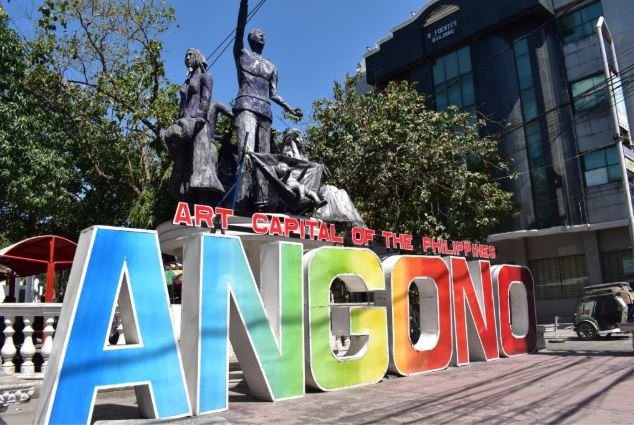
FEW TOWNS IN the Philippines possess a cultural identity as vivid, as storied, and as proudly preserved as Angono, Rizal — the country’s undisputed Art Capital.
Located along the scenic shores of Laguna de Bay, Angono blends ancient heritage, modern creativity, and deeply rooted traditions into a destination that feels both timeless and vibrantly alive.
TOWN RICH IN ART AND CULTURE
Angono’s artistic wealth is its beating heart. It is the only town in the Philippines that produced two National Artists — Carlos “Botong” V. Francisco for Painting and Lucio San Pedro for Music. Their legacies continue to shape Angono’s identity, inspiring generations of local artists whose works adorn homes, studios, and entire streets.
Walking through Angono often feels like stepping into a vast open-air museum. Along Doña Aurora Street, murals and bas-relief sculptures inspired by Botong Francisco transform ordinary walls into cultural masterpieces. From scenes of rural life to reinterpretations of iconic paintings, every corner immerses visitors in the town’s artistic soul.
Private galleries further enrich the experience. The Blanco Family Museum showcases the stunning realism and Filipino narratives painted by an entire clan of artists. Nemiranda Arthouse celebrates mythologies and folklore through expressive sculptures and vibrant canvases. The House of Botong Francisco, meanwhile, preserves the personal life and creative journey of the National Artist himself.
OLDEST ARTWORKS IN THE COUNTRY
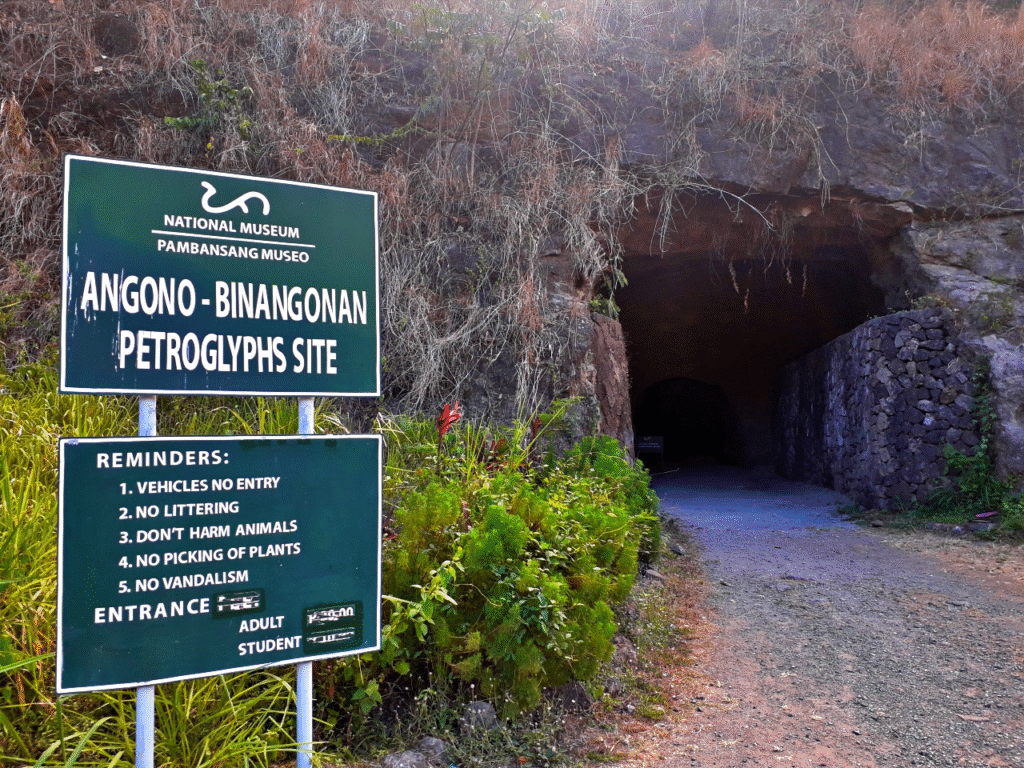
Beyond modern creativity, Angono is also home to one of the most significant archaeological sites in Southeast Asia: the Angono–Binangonan Petroglyphs.
Discovered by Botong Francisco in 1965, this rock shelter contains 127 ancient carvings dating back to around 3000 B.C. Declared a National Cultural Treasure, the Petroglyphs offer a rare window into the artistic and spiritual expressions of the country’s early inhabitants.
To date, the local government, through its Tourism Office has been actively working on measures that would ensure the continuity of the town’s brand name by inculcating arts education among the younger generation.
NATURE, FOOD, AND CALM ESCAPES
Angono’s appeal extends beyond its artistry. Nature lovers and weekend travelers find comfort in its peaceful landscapes and stunning waterside views.
At the Angono Lakeside Park (Wawa), families gather for afternoon strolls, bikers enjoy the lakeside paths, and visitors witness one of the province’s most mesmerizing sunsets. The serene Angono Forest Park, with its towering trees and wide open spaces, is a favorite for campers and outdoor enthusiasts seeking a quiet retreat.
No visit to Angono is complete without experiencing its culinary identity. Balaw-Balaw Restaurant and Art Gallery remains a must-stop destination, offering Filipino delicacies—some exotic—served in a setting filled with sculptures, paintings, and folk art.
TRADITIONS THAT LIVE ON
Angono is a town where heritage is not just preserved—it is celebrated. The iconic Higantes Festival, held every November, brings hundreds of giant papier-mâché figures to the streets in a colorful parade honoring its patron — St. Clement and recalls a spirited chapter of local history.
Religious and seasonal traditions flourish throughout the year: the Bati/Salubong during Easter, the solemn Cenaculo during Holy Week, the vibrant Carabao Festival in May, and the elegant Flores de Mayo and Santakrusan processions.
Each celebration reflects Angono’s strong faith, unity, and deep community roots.
HERITAGE WEALTH AND BEAUTY
While Angono is steeped in culture, it is also a municipality driven by progress and good governance.
Recognized repeatedly with the Seal of Good Local Governance, the town continues to develop modern infrastructure, expand social services, and strengthen its tourism programs. Its advocacy for heritage conservation and its efforts to promote the Petroglyphs for UNESCO World Heritage recognition reflect a community committed to both honoring the past and preparing for the future.
Angono, Rizal is more than a destination — it is an experience. A place where art lives in every corner, where history speaks through stones and murals, and where traditions endure with pride. For travelers seeking culture, creativity, and meaningful stories, Angono stands as one of the Philippines’ finest treasures — a town painted with heritage, shaped by legends, and forever alive with imagination.
CONGRESSIONAL LEGISLATION
While the mere mention of Angono is in itself synonymous to artistry, Mayor Gerardo Calderon cited the need for a congressional legislation that would formalize its moniker – Art Capital of the Philippines.
According to Calderon, earning the official title would further boost their tourism potential even as he claimed that the lakeshore town 20 minutes away from eastern Metro Manila has every reason to become the country’s official art capital – “We’re doing good insofar as tourism is concerned, but adding an icing on the cake would make as stall taller.”
“For one, Angono is the home of two national artists – Maestro Lucio San Pedro for music and Carlos ‘Botong’ Francisco for visual arts. After them are thousands of local folks who were inspired by these two great men and have become artists too.”
THE ARTIST PARADISE
When asked as to how the moniker came about, the local chief executive said that “it was in 2004 when then President Gloria Macapagal Arroyo was mesmerized by the abundant talents we have here… it was then that she uttered that Angono deserves the title of being the Art Capital of the Philippines.”
Interestingly, former legislators representing Rizal’s first congressional district (where Angono belongs) have repeatedly filed bills seeking to officially make the first class lakeshore municipality as the Art Capital of the Philippines.
“For the record, wala pa rin official declaration coming from both the Philippine Congress or the Office of the President that Angono is the Art Capital. But we would gladly prove our worth once meron na,” Calderon quipped. (With reports from Jimmylyn Velasco)
AMIDST government’s slim chance of recovering hundreds of billions in squandered funds connected to the flood control scandal, a non-government organization (NGO) is floating the idea that could somehow appease the anger felt by majority of Filipino taxpayers over widespread corruption among high-ranking government officials.
In a recent interview, veteran journalist and Filipino Consumers for Reform (Filcore) spokesperson Tracy Cabrera asked the Marcos Jr. administration to seriously look into the abolition of the 12 percent value-added tax (VAT) imposed on electricity.
According to Cabrera, such a move could serve as moral reparation over the massive corruption in the government’s flood control projects and other infrastructure development initiatives.
He cited that funds intended to address the perennial flooding problem in the country has somehow found its way into the pockets of Cabinet secretaries, senators, congressmen, officials of the Department of Public Works and Highways (DPWH), contractors and even state auditors who are supposed to ensure fraud-free government transactions.
But as far as he is concerned, recovering what has been lost to massive corruption in the government is easier said than done and could well nigh be an exercise in futility.
“Mahirap na para mabawi natin ang lahat ng mga ninakaw mula sa kaban ng bayan—kahit ibenta pa ang mga jet, kotse, mansyon at alahas na nakumpiska mula sa mga sangkot sa anomalya, kaya dapat makagawa ng paraan upang maibsan ang paghihirap ng publiko sa pagbabayad ng buwis na pinangangalagaan nanakawin din naman,” Cabrera pointed out.
“Ang kaya nating gawin ngayon ay tulungan natin ang mga tao sa pamamagitan ng pag-alis ng VAT sa kuryente,”, he added.
He reminded the administration that the government has a moral obligation to give something back to taxpayers who have been at the receiving end of the systemic corruption that has destroyed public trust.
“Pati nga iyong system loss ng mga power company, tayo pa ang nagbabayad ng VAT kaya ang pagtanggal ng VAT sa electric bill ng mga consumer ay magiging isang paraan para makabawi ang taumbayan sa hagupit ng iskandalo,” the Filcore spokesperson further stated.
Moreover, Cabrera stressed that sparing consumers from VAT would allow taxpayers to expand the power of the purse from the “loose coins” which when saved could spell a big difference in the monthly expenditures.
“Such a move could also make the government look good as halting the imposition of VAT on essential services like electricity would free up cash for households and businesses, support consumption and ease pressure on small and medium enterprises while helping keep prices in check,” he asserted while expounding that now is the best time to cut VAT, as public anger over the unprecedented plunder of government funds is peaking and voters are demanding visible justice rather than long investigations that may never fully recover the money.
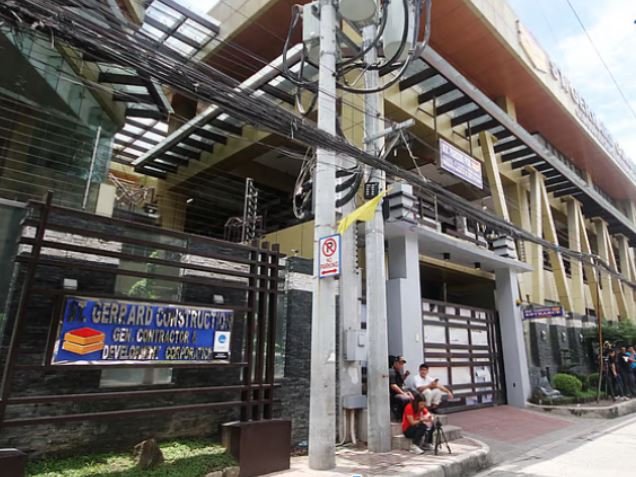
TWO OF THE nine notorious firms supposedly owned by the so-called flood control king and queen can no longer operate following the cancellation of the licenses of St. Timothy Construction Corp. and St. Gerrard Construction General Contractor and Development Corp.
The Securities and Exchange Commission (SEC), in a statement, said, the licenses of the firms of the controversial Pacifico (alias Curlee) and Cezarah Discaya (alias Sarah) had been revoked in view of a wrongful report on beneficial ownership and admission of involvement in the multibillion-peso flood control corruption scandal.
The SEC on Thursday said these firms had submitted false beneficial ownership information and were slapped with a P2-million penalty.
CONSPIRATORS BANNED
Their directors are also barred from holding positions, such as a director, trustee, or officer, in any corporation for five years.
Sarah claimed during a Senate hearing last September that she was the owner of St. Timothy and St. Gerrard firms.
However, the SEC said its records showed no name of Discaya in the declarations of St. Timothy from 2022 to September 2025. Records of St. Gerrard from 2022 to 2024 likewise showed no such name.
STOLEN ASSETS FROZEN
The Anti-Money Laundering Council (AMLC) meanwhile announced it has secured a new freeze order on the assets of a construction firm with the most number of “ghost” or non-existing flood control projects.
The AMLC stated that the latest freeze order was granted by the Court of Appeals (CA) on December 4, 2025.
The freeze order covers the assets of a private construction company “identified as having the greatest number of ghost flood control projects, along with entities and individuals linked to the construction firm,” said the antitrust-dirty money body.
WITHHELD INFORMATION
Interestingly, the AMLC did not identify the construction company but hinted at issuing more freeze orders in the coming days for the P3.9-B asset of gov’t officials in the flood control scandal.
To date, the combined amount of frozen assets tied to flood control projects has already breached the P4 billion mark.
The total amount covered by the freeze order is way too low as compared to the one trillion peso government losses as per admission of no less than Public Works Secretary Vince Dizon during a senate blue ribbon committee hearing.
SYMS, WAWAO BUILDERS
Among the top contractors under heavy scrutiny due to alleged involvement in “ghost” flood control projects in Bulacan were Wawao Builders and SYMS Construction, reported GMA news.
The anti-dirty money council said the latest freeze order “covers 280 bank accounts, 22 insurance policies, three securities accounts, and eight air assets.”
The AMLC said the CA found sufficient grounds to connect the frozen assets to possible violations of Republic Act No. 3019 or the Anti-Graft and Corrupt Practices Act as well as Malversation of Public Funds and Property under Article 217 of the Revised Penal Code.
“The filing of this petition for a freeze order underscores the AMLC’s firm commitment to recover every peso of public funds that may have been misused,” said AMLC Executive Director Matthew David.
ACCUMULATED ASSETS
The AMLC said that so far it has secured freeze orders covering 4,679 bank accounts, 283 insurance policies, 255 motor vehicles, 178 real properties, 16 e-wallet accounts, and three securities as the probe into the anomalous flood control projects continues.
The total value of the frozen assets has reached P13 billion, the antitrust-dirty money body.
The AMLC further said the amount of frozen assets is expected to increase “as the investigation deepens.”
WHILE BILLIONS IN public funds have been lost due to corruption, it appears there are other concerns over irregularities in government as in Cebu where the Commission on Audit (COA) flagged the provincial government for releasing over ₱136 million in bonuses and incentives to officials and employees in 2024 without complete documentation.
Flagged were three disbursements: the Program on Awards and Incentives for Service Excellence (Praise) bonus amounting to ₱38.28 million; the Collective Negotiation Agreement (CNA) incentive totaling ₱31.93 million; and a compensation premium of ₱66.19 million to job order (JO) personnel.
All were found to have incomplete documentation or deficiencies in payment requirements. In 2024, the province was under the leadership of then governor Gwendolyn Garcia-Codilla.
In their audit report, state auditors said that the incomplete documentation prevented COA from verifying whether or not payments complied with applicable laws and existing regulations.
COA noted that the provincial capitol released ₱38.28 million in ‘praise’ bonuses to all regular and casual employees without key documentary requirements. The payments also lacked a resolution from the Praise Committee justifying the grant and were supported only by approved payrolls.
Auditors likewise found no documents showing that the monetary awards were sourced from savings resulting from employees’ suggestions, inventions or superior accomplishments, as required under Civil Service Commission (CSC) Resolution 010112.
“Without these, compliance with the CSC rule that limits monetary awards to no more than 20 percent of an agency’s verified savings could not confirmed,” they pointed out.
Still, during the exit conference, the provincial budget o*fficer said the bonuses were granted across the board and funded through savings from unfilled plantilla positions. However, auditors stressed that supporting documents were still lacking.
COA further found no records showing that the incentive was funded solely from savings under Maintenance and Other Operating Expenses, or that a committee created under PSLMC Resolution 2, s. 2022 had assessed eligibility and recommended approval. PSLMC stands for Public Sector Labor-Management Council.
MANGO HAS LONG been a favorite for their sweet flavor, but there’s even sweeter news for its health benefits, including for weight and blood sugar control.
A new 2025 literature review, published in the Food and Function Journal of nearly a decade-worth of mango nutrition science uncovered the role this vibrant fruit plays in supporting satiety, weight maintenance and blood sugar balance, as well as other areas like brain, gut and skin health.
“The growing body of research identifies mango’s promising role in supporting metabolic health,” said Britt Burton-Freeman, PhD, MS, Director of the Center for Nutrition Research, Illinois Institute of Technology. “Findings suggest that mango can be a valuable addition to a balanced diet, helping to regulate blood glucose and support weight management – benefits that many people may not always associate with fruit. As we continue to explore mango’s unique nutrient and phytonutrient profile, we’re uncovering even more ways it can contribute to overall well-being.”
This comprehensive literature review, conducted by the Illinois Institute of Technology (IIT), evaluated published research about mango nutritional benefits between 2016 and 2025 to understand the role mango can play in overall health and wellness. The study found that across the body of research, mango demonstrated promising benefits across a number of important health needs.
Mango and Weight Maintenance Within the body of research studied, data showed that mango may support weight maintenance by helping people feel fuller for longer. In one particular study, for example, adult participants who snacked on fresh mango reported feeling more satisfied after two hours than when they ate a low-fat cookie with the same number of calories (100 kcal). After 12 weeks, the mango snackers maintained their weight, while the cookie group gained weight.
The findings on weight maintenance are further substantiated by a separate, recently published study from Florida State University, which found that participants who ate mango daily saw a decrease in waist-to-hip ratio while the control group’s increased. They finished with less body fat and more lean mass than the control group.
Mango and Blood Glucose Control In the literature review, researchers found that mango consumption consistently showed benefits for blood sugar across multiple studies. Compared to common snack alternatives, eating mangos was linked to improved insulin activity and lower blood sugar. Notably, mango intake increased levels of adiponectin, a natural protein associated with reduced inflammation and enhanced insulin sensitivity, suggesting a potential mechanism behind mangos’ positive effects on insulin-related markers.
These findings suggest that regular mango consumption may improve insulin sensitivity, highlighting the potential for mango to help the body use insulin more efficiently and support long-term metabolic health.
Mango Intake and Emerging Research Areas Early research is also uncovering potentially promising associations between mango intake and brain health, gut microbiome support and even skin appearance. While more studies are needed, bioactives in mango like mangiferin and gallotannins are showing potential in areas like cognitive performance and skin protection.
Naturally invigorating from the inside out, mango delivers over 20 vitamins, minerals, antioxidants and feel-good nutrients.
ONE FAULT RESIGNED public works secretary Manuel ‘Manny’ Bonoan has been accused of is being associated with a private contractor and it appears the secretary of health has done something similar.
And from ut looks, health secretary Teodoro Herbosa is doing the same this, for which ‘concerned’ employees from the Department of Health (DOH) called on the Ombudsman to probe Herbosa over his alleged ‘close ties’ with a drug firm.
Recently, some personnel from the DOH asked the Office of the Ombudsman to investigate health c
Sec. Teodoro ‘Ted’ Herbosa for possible violations of anti-graft and procurement laws over his alleged ‘closeness’ with health contractor Zuellig Pharma Corporation.
In an 11-page complaint filed before the Ombudsman, the personnel, referring themselves as concerned DoH employees, accused Herbosa of “continuously fraternizing” with Zuellig despite the pharma firm’s active participation in the agency’s bidding and procurement activities.
To support the veracity of the complaint, the complainants disclosed that Herbosa had been attending company-sponsored trips, social gatherings and out-of-town activities and thus pointed out that while the DOH chief’s participation may considered as an act of hospitality toward the contractor, the events occurred at a time when the company “had an active ongoing procurement interest with his office.”
The complainants cited some of the procurement that were made included the acquisition of inactivated polio vaccine amounting to ₱674 million and the procurement of Retuximab worth ₱122.9 million, both of which are under “ongoing protests” based on the Commission on Audit (CoA)’s observation memorandum in 2025.
Zuellig’s subsidiaries, Metro Drug Incorporated and Intepharma Holdings and Management Corporation, also lodged a protest, but in relation to the procurement of chick embryo cell rabies vaccine amounting to ₱24.9 million.
“Sec. Herbosa’s fraternizing with the Zuellig group creates a dangerous environment where decisions can be influenced behind the scenes and where a single contractor is granted privileged access that no other bidder enjoys,” the concerned DOH employees noted.
They likewise included in their complaint several screenshots showing Herbosa’s supposed close relationship with the company, including a Facebook post by Zuellig Family Foundation showing the health secretary’s participation in one of its consultative forums in 2023, congratulating his confirmation as health secretary, also in 2023, his attendance to the company’s forum in Thailand last February and the company executives’ visit to his office.
“(It appears that) Herbosa’s close relationship with the company constitutes violations of the anti-graft law, the government procurement law and the code of conduct for officials and employees (so we are) ask(ing) the Ombudsman to investigate (him) for possible violations,” the employees asserted.
Aside from an investigation, the complainants also asked the Ombudsman to place Herbosa under preventive suspension and impose possible administrative penalties.
The Philippine Insider through this writer has reached out to Herbosa for his side of the issue but he has not responded to our queries as of press time.
THE WORLD HEALTH Organization (WHO) has its first guidelines on the use of GLP-1 (Glucagon-Like Peptide-1) therapies for obesity, responding to what it describes as a rapidly escalating global health crisis that now affects more than 1 billion people.
Obesity was linked to 3.7 million deaths in 2024, and the WHO warned that the number of people living with the condition could double by 2030 without urgent action. GLP-1 drugs help patients feel fuller for longer, aiding weight management.
“Obesity is a major global health challenge that WHO is committed to addressing,” WHO Director-General Tedros Adhanom Ghebreyesus said. “Medication alone won’t solve this crisis, but GLP-1 therapies can help millions reduce obesity and its related harms.”
The new guidance says GLP-1 therapies may be used for long-term treatment of obesity in adults — except those who are pregnant — but stresses that the recommendation is conditional due to limited long-term safety data, high costs, and concerns about equitable access.
The WHO also recommends pairing the medications with intensive behavioral interventions, such as structured healthy eating and physical activity programs, to improve results.
Calling obesity a complex, chronic disease that drives heart disease, type 2 diabetes, certain cancers, and worse outcomes from infectious illnesses, the WHO projected its economic impact could reach $3 trillion annually by 2030. The agency urged the creation of healthier environments, early intervention for high-risk groups, and lifelong, person-centered care.
It also highlighted the need for fair access to GLP-1 therapies, warning that fewer than 10% of those who need the medications are expected to receive them by 2030.
In September, the WHO added GLP-1 therapies to its Essential Medicines List for managing type 2 diabetes in high-risk patients.
MACTAN ISLAND HAS long drawn visitors from around the world. This year, as the Michelin Guide officially debuts in the Philippines, the island celebrates a remarkable milestone — Sheraton Cebu Mactan earning dual recognition from the prestigious guide, further cementing its place on the global hospitality map.
Sheraton Cebu Manila owned and developed by AppleOne Group.
“This milestone is a testament to Mactan’s potential: to move beyond being just a gateway and stand confidently as a destination in its own right,” said Dottie Würgler-Cronin, General Manager of Sheraton Cebu Mactan Resort.
“This recognition reinforces what we’ve always believed, that Cebu has the talent, heart, and world-class potential to stand proudly on the global stage,” added Samantha Manigsaca, VP for Hospitality at AppleOne Group.
Leading the honors is DIP Nikkei, a Michelin Selected restaurant renowned for its refined modern Nikkei cuisine. It masterfully blends Japanese precision with Latin American flair, showcased through captivating ocean views and designer interiors—herringbone parquet floors, mosaic walls, and rattan chairs—that craft a refined yet unpretentious vibe.
This elegance extends to an expertly curated menu starring ceviche hiramasa & hotate tiradito and 16-hour cochinillo lechalconfit, all elevated by charming professional service, inventive cocktails, and a modest wine list. DIP Nikkei embodies Mactan’s irresistible seaside soul, inviting diners to savor this harmonious culinary fusion.
The resort itself also received Michelin Selected distinction, recognized for offering an exceptional hospitality experience that blends thoughtful design, elevated service, and an authentic sense of place, bringing to life a contemporary vision of coastal luxury that’s relaxed, connected, and distinctly Filipino.
According to the Michelin Guide, “Sheraton Cebu Mactan Resort is the perfect base for exploring Cebu’s beaches and cultural sites,” with its island-largest rooms and suites featuring balconies, soaking tubs, and garden or sea views—plus a six-room spa, kids’ club, watersports, and expansive pool for seamless relaxation and adventure. This coastal haven transforms every stay into an unforgettable blend of Filipino warmth and global sophistication.
THE FORMER SENATOR who once spent time behind bars for allegedly pocketing a kickback of P224.5 million arising from his Priority Development Assistance Fund (PDAF) to non-governmental organizations linked to Janet Napoles, looks like headed to jail again.
This comes as the Independent Commission for Infrastructure (ICI) recommended the filing of criminal and administrative complaints against him – this time for direct or indirect bribery, corruption, and plunder in relation to the so-called flood control scandal.
Aside from Revilla, likewise recommended for the filing of cases include Maynard Ngu — alleged bagman of Senator Chiz Escudero — and eight others, to wit:
Carleen Villa, staff of former senator and now Makati City Mayor Nancy Binay
Department of Public Works and Highways (DPWH) NCR Regional Director Gerard Opulencia
DPWH South Manila District Engineer Manny Bulusan
DPWH official Ruel Umali
DPWH Mimaropa Regional Director Gene Ryan Alurin Altea
J.Y. dela Rosa
Mrs. Patron
Carlo Aguilar
In a press briefing, ICI Chairperson Andres Reyes used the testimony of former DPWH undersecretary Roberto Bernardo as a basis for the commission’s recommendation to the Office of Ombudsman.
The recommendation was submitted to the Office of the Ombudsman on Wednesday.
Previously, Bernardo and dismissed Bulacan district engineer Henry Alcantara during the senate investigation tagged several individuals in the flood control project corruption.
Dela Rosa, whom Bernardo claimed served as conduit to former senator Grace Poe’s staff allegedly delivered kickbacks to Poe and the DPWH.
Carlo Aguilar, who claims to be a relative of former DPWH Secretary Mark Villar, cornered from 2023 to 2025 over P2.8 billion in DPWH contracts through his Motiontrade Development Corporation.
The ICI also referred senators Escudero and Mark Villar, and former senators Poe and Binay, to the Ombudsman for “further investigative review and case buildup.”
The commission added that new evidence that “may possibly lead to more charges” has emerged against former DPWH secretary Manuel Bonoan, Bernardo, former congressman Zaldy Co, Commissioner Mario Lipana, Alcantara, Brice Hernandez, and Jaypee Mendoza. These new pieces of evidence will also be submitted to the Ombudsman, the ICI said.
Revilla meanwhile denied involvement in the corruption scandal. He described the accusations as “meaningless accusations fabricated by a criminal mastermind and his cohorts who are desperately buying their way to freedom.”
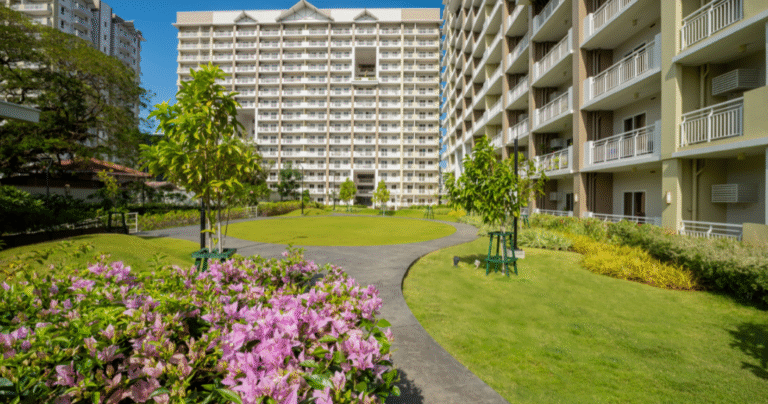
THE ATHERTON, DMCI Homes’ condominium community in Parañaque City, was recently recognized at the 2025 National Bike Day celebration for promoting walkable and active living. It received the Notable Development Initiative award during the 2025 National Bike Day Awards, held on Nov. 23, 2025, and organized by the Department of Transportation (DOTr) and the Quezon City local government.
The award, presented by the Inter-Agency Technical Working Group on Active Transport (IATWG-AT), honors projects that support sustainable transport and walkability, aligning with the country’s goal of fostering safer, people-centered mobility.
Landscape Architect Alexis S. Valiente, along with Virgilio L. Sebastian Jr. and May Angeli M. Pedro, accepted the award on behalf of DMCI Homes. Valiente expressed gratitude for the recognition, emphasizing that it validates DMCI Homes’ commitment to developing sustainable projects that create healthy, vibrant communities.
“The Atherton is designed to be a residential development set within a park, inspiring residents to walk, engage with nature, and interact within their community,” said Valiente.
The Atherton stands out for its focus on walkability, open spaces, and safe mobility. Nearly 70 percent of its 1.7-hectare land is dedicated to open areas, with wide walkways connecting amenities through landscaped gardens. These spaces encourage walking, cycling, and other low-impact activities. A tree canopy provides shade and cooling, enhancing comfort and safety outdoors, while vehicular traffic is limited to front and basement levels, keeping the ground open for residents.
Additionally, the buildings feature sky promenades on their roof decks, offering elevated spaces for residents to stroll and enjoy panoramic views. Located along Dr. A. Santos Avenue, The Atherton’s accessibility connects residents to major business districts, promoting seamless work-life integration.
“We hope to inspire others to embrace sustainable mobility as a way of life through the design and layout of our projects,” Valiente added.
Since its founding in 1999, DMCI Homes has consistently integrated landscape architecture into its developments, earning multiple recognitions. The company has built 47 hectares of landscaped areas across its projects—nearly double the size of the Quezon Memorial Circle National Park in Quezon City.
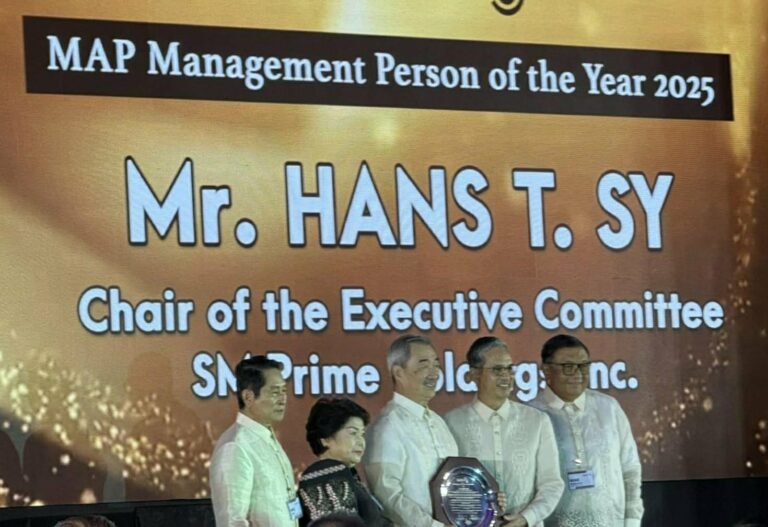
SM PRIME HOLDINGS Inc. CEO Hans Sy has been named the Management Person of the Year 2025 by the Management Association of the Philippines (MAP) during its general membership meeting at Shangri-La The Fort in BGC, Taguig City.
The business network recognized Sy for his leadership and contributions in environmental conservation, social inclusion, and good governance, as well as his resilience.