Connections built more or purely on emotions are no longer viable in forging trust among Filipinos, who are now more inclined to rely on evidence, and rational thinking, according to HAVAS Ortega’s latest Prosumer Report.
This is what the white paper, titled “Rebuilding Trust in a World of Misinformation and Disinformation,” highlights from its study of Filipino Prosumers – the 15 to 20 percent of the Filipino population who are early adopters of new media, trends, attitudes and beliefs, and technologies, who significantly influence mainstream trends.
“We are seeing the beginnings of a new trust paradigm – one built not just on feelings, but also on facts and rational scrutiny,” said Jos Ortega, Chairman and CEO of HAVAS Ortega. “However, this shift cannot occur in isolation. To fully realize this new trust landscape, it is essential that government, educational institutions, media, and the private sector collectively foster and actively nurture critical thinking among Filipinos.”
“Brands have a unique opportunity – and responsibility – to become pillars of trust,” he added. “By championing truth, transparency, and critical thinking, brands can help reshape societal norms and rebuild trust at every level.”
The white paper shows that 74 percent of Filipino Prosumers have a growing skepticism toward traditional institutions, including government and religious organizations. Yet, even with declining trust levels, 93 percent of the Prosumers affirm that mutual trust remains critical for national progress and societal harmony.
Historically, trust in Philippine society has largely been based on emotional ties and shared cultural experiences. However, with the rise of misinformation, disinformation, and content generated by artificial intelligence, this emotional foundation is becoming increasingly unreliable. This, as nearly one-third (35 percent) of Filipino Prosumers now doubt the existence of objective truth, highlighting a significant philosophical shift toward skepticism.
The white paper reveals a countertrend, or Filipinos, especially younger generations, are beginning to place a premium on intellectual rigor and verifiable evidence. Approximately 77 percent of Filipino Prosumers now indicate greater trust toward those with high educational attainment and proven expertise. Furthermore, nine out of ten Filipino Prosumers trust brands significantly more when they back their claims with scientific evidence.
It also calls on leaders across all sectors to work together in cultivating a culture of critical, analytical, and reasoned thinking, concluding that that collective action is essential to overcoming misinformation and establishing a resilient foundation of trust for the future of the Philippines.
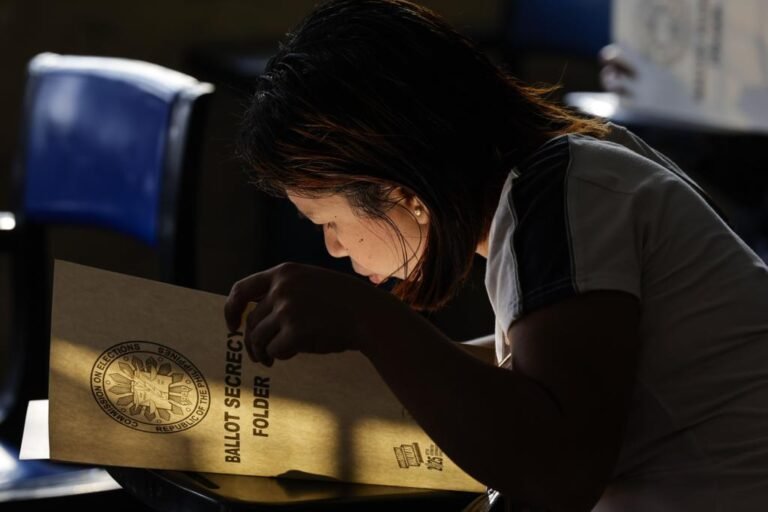
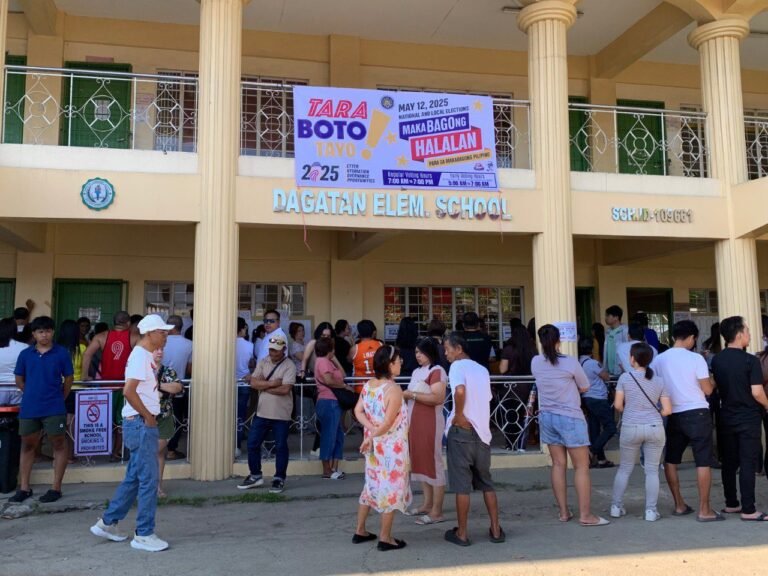
THE long and tedious preparations in time for the election fell short as blood and glitches marred the 2025 national and local election.
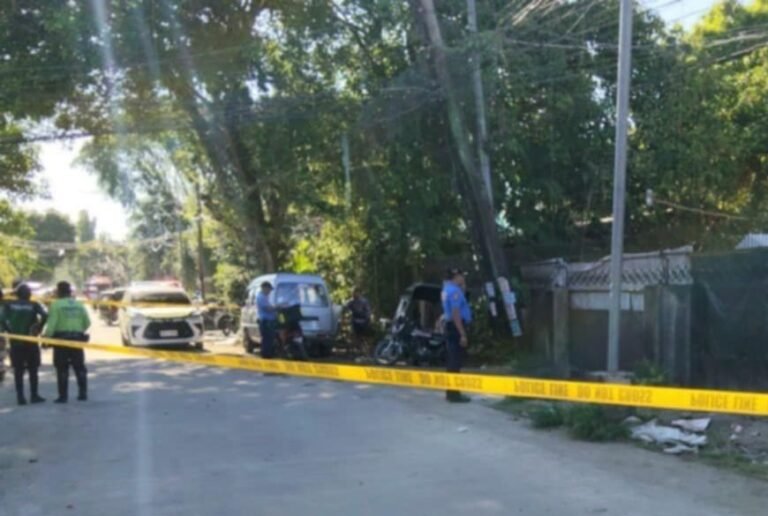
As per data collated by the Philippine National Police (PNP), 82 election-related violence resulting in death, injury and destruction of properties occurred since January. On the very day of the election, nine persons killed in separate incidents across the country.
MINDANAO, AS USUAL
Mindanao recorded the most number of bloodsheds in relation to the election.
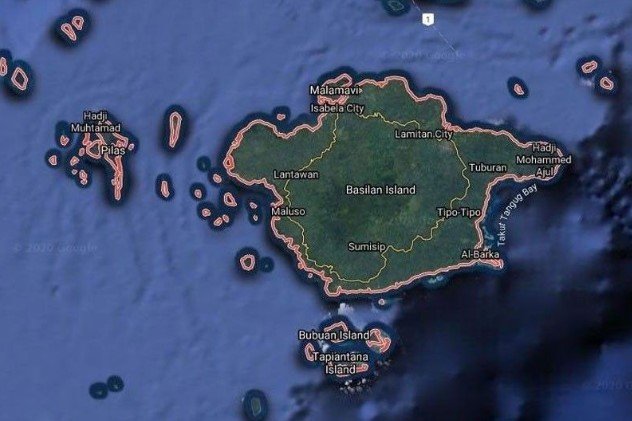
In Basilan, two were slain, while two others were wounded in what the police claimed as a legitimate encounter with members of a private armed group in the municipality of Hadji Muhtamad.
Also in Basilan, four persons were killed in armed skirmishes in Hadji Mohammad Ajul town on election eve.
A candidate for a municipal council seat of Bayang town and his brother were killed in an attack by still unidentified gunmen in Lanao del Sur on Monday morning.
In Maguindanao del Sur, police arrested 84 individuals in two separate operations — the first operation netted 60 flying voters while the second sting resulted in the apprehension of four ex-armies who were allegedly commissioned to sow terror in Buluan town.
A civilian succumbed to death following a heated argument with the supporters of a mayoral bet in Maguing town, Lanao del Sur while waiting for his turn to vote.
ALSO IN VISAYAS
Tension also gripped Silay City in Negros Occidental as, two people were killed and five others were wounded in a shooting incident early Monday, in Barangay Mambulac.
Police identified one of the alleged assailants as Chairman Arnie Benedicto of Barangay Lantad. Police have yet to establish the identity of two companions who were caught on cam spraying bullets while passing by a political group’s headquarters.
A village councilor in the hinterlands of Bohol province was shot dead on the eve of the May 12 midterm elections.
Police collared two suspected assailants behind an election eve ambush in Sitio Kabukogan, Barangay Poblacion, Sibonga town, southern Cebu.
A similar incident occurred in Eastern Samar: five people were arrested at a checkpoint in Barangay Tangbo, Arteche town after police found firearms and illegal items in their vehicle.
Vote-buying was also recorded in Bohol, where two candidates will be made to face disqualification cases.
LUZON SKIRMISH
No less than President Ferdinand Marcos Jr. had a hard time as the ACM at the San Mariano Marcos Memorial Elementary School in Barangay Valdez, Batac City, Ilocos Norte, malfunctioned.
Former Sen. Ping Lacson, who forms part of the administration’s senatorial slate, claims to have experienced a minor glitch when he cast his vote in Imus, Cavite for the 2025 midterm elections.
Thirty two ACMs across Central Luzon were replaced because of malfunction.
Voters from Meycauayan City in Bulacan called out the Comelec hotline operators after they were told to just trust the system, as shaded ballots have not yet been fed to the automated counting machines.
In Camarines Sur, eight people were arrested for alleged vote-buying across several municipalities.
In Marikina, a man was caught distributing copies of a tabloid containing articles against suspended Mayor Marcy Teodoro.
SINISTER ERRORS
Thousands of voters have expressed disappointment upon learning they had unknowingly cast their votes for candidates they did not actually vote for, or worse, had their votes for a particular post invalidated.
According to Comelec, these glitches were caused by the ACM’s “high sensitivity” to extraneous marks and smudges on ballots.
Local election watchdogs reported a surge of complaints from voters that the ACMs indicated they overvoted even if there were only slight smudges in the oval of the candidates.
Interestingly, the pens used to mark the ballots are provided by the Comelec for the election day.
There were also complaints about the voter-verifiable paper audit trail (VVPAT) or the receipt printed by the ACM to allow voters to verify if their votes were cast correctly.
Southeast Asia (SEA) and Latin America (LATAM), home to over one billion people, are emerging as global economic powerhouses — driven by investments in infrastructure, middle-class expansion, and digital transformation, according to a report by Valor Capital Group and Credit Saison.
“Latin America and Southeast Asia are no longer just emerging markets; they are defining the future of digital finance, trade, and economic collaboration,” said Bruno Batavia, Director of Emerging Tech at Valor Capital.
According to him, unlocking their full potential will require regulatory modernization, regional partnerships, and financial innovation to be central to the agenda.
Hence, the report said that that despite their readiness for growth, both regions continue to face financial inefficiencies and regulatory barriers.
‘[T]hey are defining the future of digital finance, trade, and economic collaboration … unlocking their full potential will require regulatory modernization, regional partnerships, and financial innovation …’
FIRST OF ITS KIND
The first-of-its-kind comparative study calls for increased investments in digital finance, cross-border collaboration, and blockchain to unlock their full potential, emphasizing how these regions are reshaping global trade and finance.
While economic expansion is evident, countries in LATAM and SEA remain financially fragmented — limiting access to credit and hindering commercial integration.
Small and medium-sized enterprises (SMEs) are also the backbone of these economies, but 87 percent of their financing needs in Latin America remain unmet, resulting in a $1.4 trillion financing gap. In Southeast Asia, 51 percent of micro, small, and medium enterprises (MSMEs) face difficulties accessing financial services, creating a $272 billion deficit.
Meanwhile, traditional banking systems, still reliant on outdated credit assessment models and manual processes, are unable to keep up with growing demand, stifling the growth of millions of businesses.
“This report serves as a critical blueprint for stakeholders seeking to harness the immense potential these regions offer. Credit Saison has been in Brazil since 2023, and has been present in Southeast Asia for over ten years, with the unique ability to deploy investments via private credit and venture capital to support the growth of fintechs and founders in both debt and equity,” said Qin En Looi, Partner at Saison Capital, the corporate venture capital arm of Credit Saison.
FINTECH: DRIVING CHANGE
In response to these challenges, innovation in the financial technology or fintech sector and the rise of venture capital investments are transforming the financial landscape.
SEA created 151 new venture capital funds in 2021, while LATAM peaked at 69 funds in 2019, indicating strong investor confidence.
The total number of funding rounds nearly doubled in Southeast Asia, while in Latin America, the total volume of investments grew 8.7 times, underscoring the rapid evolution of the financial ecosystem.
This influx of capital has led to significant acquisitions in the fintech sector, expanding the region’s appeal to global investors. Notable examples include Visa’s $1 billion acquisition of Brazilian fintech Pismo, TikTok’s $1.5 billion investment in Indonesia’s Tokopedia, and PropertyGuru’s $1.1 billion acquisition in Southeast Asia.
Decades ago, classroom learning hinged on memorization, rather than comprehension, of what students read or write. Hence, when students apply for jobs, they can hardly follow instructions on their application forms and their memorized skills are of no use to their companies.
Back then, the advocacy was to put a stop to memorization. Schools were instructed to give more focus on an enabling environment so students could apply the theories to enable them to build critical thinking skills.
These days, with rampant use of social media, blunders in grammar and spelling used by children make one cringe. What went wrong with their educational system? Why can’t the young compose a complete sentence or paragraph? Such errors even come from those from private colleges and universities.
Decades ago, classroom learning hinged on memorization, rather than comprehension, of what students read or write. Hence, when students apply for jobs,
ENGLISH-SPEAKING NATION
That we are touted as an English-speaking population means nothing these days. But what really matters is comprehending what they read.
Not many parents and guardians have the time, resources, patience, and the ability to coach kids so that they will understand their lessons more than just memorizing and then reciting these blindly. Many kids are left in the company of au pairs or nannies who are mainly after their wages.
Kids are so used to computers that they rely on Google for homeworks. Chances are they copy-paste Google or Wikipedia without really understanding its context. Even Math and Science homeworks can be done by Google or by AI (Artificial Intelligence) or Chatbox.
IT SPELLS DOOM
It is not surprising and lamentable, to say the least, that 19 million Filipino students– not just high school graduates in public schools– are now labeled “functionally illiterate.” This spells doom for our country’s future generation.
In a recent hearing of the Senate committee on basic education, the Philippine Statistics Authority said that 18.9 million Filipinos who completed secondary education between 2019 and 2024 have problems with reading comprehension and labeled as “functionally illiterate.”
Sen. Sherwin Gatchalian, the committee chair, said the results of the PSA’s Functional Literacy, Education and Mass Media Study (FLEMMS) should jolt policymakers. They should work together for a national strategy to address “the gravity of our situation now.” He also cited the problem of basic literacy is a factor behind high poverty incidence in several provinces.
Quoting from the study, Gatchalian said that as of 2024, 24.82 million Filipinos age 10 to 64 were considered functionally illiterate or could read, write and compute but did not understand what they just read.
Gatchalian, who co-chairs the Second Congressional Commission on Education (Edcom 2), said another 5.86 million Filipinos in the same age group are “basic illiterate,” or unable to read, write, and compute, which Inquirer columnist Eleanor Rosa Pinugu noted poses a problem as they cannot fill out a job application form or understand complex written instructions. This poses significant challenges.
JUST BASIC SKILLS
The PSA survey, done every five years, changed in 2024 the definition of functionally literate from just the ability to read and write by adding comprehension to basic skills. Comprehension means a higher level of understanding like deducing or piecing information together to be able to provide new information, the PSA explained, adding that 572,910 individuals from 177,656 households took part in the survey.
In this study, only 79 percent of senior high school (SHS) graduates in 2024 were functionally literate, or 21 percent of SHS being considered functionally literate, which is “concerning” for Gatchalian.
LGUs should make use of the PSA survey in crafting their own literacy programs, citing that the poorest provinces like Tawi Tawi and Davao Occidental having the highest functional illiteracy rate. Topping the PSA survey were Cavite and Bataan, he added.
Still, the Department of Education (DepEd) defensively declared that this huge number of practical robots— those who barely understand what they have read and memorized in school— spreads across all lower grade and undergraduate levels.
MORE STRINGENT CRITERIA
In the 2024 PSA survey, DepEd said the 19 million Filipinos considered “functionally illiterate”came from a much broader age group, not just high school, reported GMA Integrated News.
DepEd Undersecretary for Strategic Management Ronald Mendoza said the FLEMMS-PSA data actually indicated that 18.9 million Filipinos aged 10 to 64 were classified as functionally illiterate.
This means that these people can read, write, and compute but struggle with comprehension, regardless of their educational attainment.
Mendoza said only about 11.6 million were Junior High School and Senior High School learners for School Year 2024-2025, “making it incorrect to attribute the full 18.9 million figure solely to high school graduates.”
The 2024 PSA revision, he said, involves more stringent criteria.
“Basic literates now should be able to read, write with understanding, and compute whereas functional literates should be able to read, write, compute and comprehend.”
Because of this, Mendoza added, the overall literacy rates in the country have decreased.
The recent FLEMMS results on functional literacy highlight what we have long recognized— literacy must be at the heart of our education reforms.
THERE’s no cause for alarm, says Commission on Elections (Comelec) following the replacement of around 200 malfunctioning automated counting machines (ACM) which caused delay in the conduct of the 2025 midterm election.
“Mayroon tayong more or less 200 machines na kinakailangan palitan. Hindi naman huminto pero napapansin namin nakaka-dalawang beses nag-reject,” according to Comelec chairman George Garcia following reports of malfunctioning ACMs in Cebu.
“Kaagad nagdesisyon ang aming operations center na i-pull out ang machines at palitan ito ng bago para hindi maging worse pa,” was quoted as saying.
AREAS OF CONCERN
Among those he cited were five malfunctioning ACMs at the Lahug Elementary School in Cebu. The Comelec chief however clarified that issues were immediately resolved by the authorized technicians.
Technical issues with several vote-counting machines also disrupted the early hours of voting at GB Lontok Memorial Integrated School in Lipa City, Batangas.
“16,000 ang contingency natin. In fact nung 2022, umaga pa lang 2,500 na makina na ang pinapalitan. Of course, mga lumang makina yan. Ang sa amin preventive measure, kahit di pa sira ang makina pero nagpapakita na ng indication, pinu-pull out na agad.”
WATCHFUL EYES
Poll watchdog Legal Network for Truthful Elections (LENTE) also reported glitches in some ACMs in other parts of the country.
“The most common problem involved sensitive scanners that frequently rejected ballots. In these instances, the Electoral Board had to temporarily pause operations to clean the scanner, resulting in delays and long queues,” LENTE said.
In a precinct in Zamboanga del Sur, ACM rejected ballots at around 5:30 a.m. and remained unresolved by 6:56 a.m. Voters were allowed to fill out their ballots but were informed that their ballots would be temporarily set aside and fed into the ACM once operational.
MORE PLACES
The group likewise took note of voting centers in Ilocos Sur, Cagayan, Negros Oriental, Bohol, Aklan, and Lanao Del Norte where similar issues were observed.
In a precinct in Santa Cruz, Laguna, a Voter Verifiable Paper Audit Trail was jammed, but the electoral board resolved the issue.
“While most voting centers where LENTE monitors were deployed began preparations on time, technical and procedural issues must be addressed swiftly to avoid disenfranchisement and reinforce public trust in the electoral process,” LENTE said.
RECEIPT MISMATCH
The Parish Pastoral Council for Responsible Voting (PPCRV) said it received reports of mismatches between the actual votes and the receipts from the automated counting machines (ACM).
Some ballots were also invalidated due to overvoting, the group added.
“No specific geographic. At first, we’re trying to observe if there is a pattern in a specific polling center, but it seems yung mga tawag namin, so far, iba’t iba ang locations (the calls we receive came from different locations),” PPCRV spokesperson Ana Singson told reporters.
Singson noted that this is the first time PPCRV received such reports.
In one case, a voter picked four senators, but the automatic counting machines read eight senators.
SERIES of gunshots seemed more than enough to scare and send home teachers who were supposed to act as members of the local election board in the municipality of Datu Odin Sinsuat, Maguindanao del Norte.
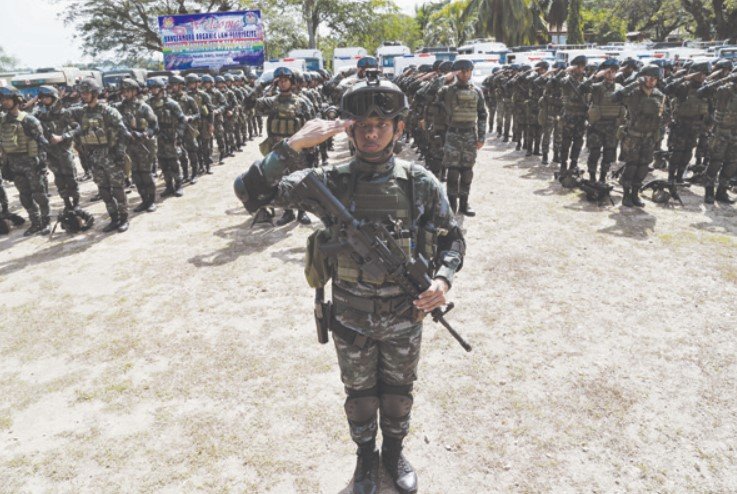
In a statement, the Philippine National Police (PNP) assured that the incident won’t affect the conduct of the election in Datu Odin Sinsuat as cops have taken over 104 polling precincts as members of the Special Electoral Board (SEB).
In a report reaching the PNP Headquarters in Quezon City, tension gripped Datu Odin Sinsuat after successive gunshots rang near the municipal hall, compelling public school teachers manning the polling precincts to stop the election at around 10 a.m.
PNP has deployed 300 cops as replacement, said Lt. Col. Joey Ventura in his capacity as spokesperson of the Bangsamoro region police.
Datu Odin Sinsuat has been placed under control of the Commission on Elections (Comelec) after an election officer was ambushed in April.
Previously, 3,698 PNP personnel were trained and deployed in the Bangsamoro region to serve as SEB in anticipation of election-related violence in Mindanao.
AT least three persons were killed, while two others were hurt in what police claimed was an encounter involving cops and members of an alleged private army identified with a mayoralty candidate in Basilan.
In a belated report, the Basilan Provincial Police Office said the incident occured in the waters of Hadji Muhtamad around 1:00 in the morning of the election day.
Reports reaching Camp Crame showed that the cops who were on a maritime patrol allegedly tried to flag a motorized boat with eight people on board. But instead of stopping, the boat sped off forcing the cops to fire warning shots for which the suspects retaliated, resulting in an encounter.
Five of the eight men on board the boat were hit. After trading shots, three were killed while two others were wounded. They were later identified as members of mayoralty candidate Jamar Mansul’s political group.
No casualties were reported among the policemen.
Meanwhile, Mansul’s wife insisted that what happened was an ambush, even as she claimed that the group with whom the cops traded shots are their relatives and poll watchers.
In a related development, a child was injured by a stray bullet in Davao Region.
“Merong nagpaputok ng baril…buhay naman po yung bata,” said Commission on Elections (Comelec) Chairman George Garcia.
Also in Mindanao, a riot sparked in Barangay Sagonsongan, Marawi City. The melee involved protagonists from opposing political camps, compelling the local election board to temporarily halt the election proceedings.
The commotion ceased after joint elements from the police and the military arrived.
JUST an hour before the local election board opened voting precincts, gun-wielding individuals sprayed bullets in Silay City in Negros Occidental killing two local government personnel.
Five others were wounded, according to the local police.
Initial investigation showed that the victims were having coffee around 6:00 in the morning when the unidentified suspects on board a van started firing shots.
Survivors said that the victims were on duty to monitor vote-buying.
In a news article posted on GMA News Online, police are reportedly looking into the involvement of a barangay captain. Silay City Police however did not elaborate. Operatives are on a hot pursuit operation against the suspect.
DESPITE government assurance of a flawless election, six of the country’s 17 regions recorded delays caused by technical glitches and power outages.
According to Brigadier General Jean Fajardo in her capacity as spokesperson of the Philippine National Police (PNP), only 34,494 or 91.92% of polling centers are casting ballots as the regular voting hours started at 7:09 in the morning.
When asked what triggered the delay, the PNP mouthpiece hinted at “technical glitches and power interruptions” in some polling places in Calabarzon, Central Luzon, Northern Mindanao, Cordillera Administrative Region, Davao Region, and Bangsamoro Autonomous Region in Muslim Mindanao.
She however clarified that the casting of votes in Pantabangan National High School in Nueva Ecija has resumed.
The early voting hours for senior citizens, persons with disabilities, and pregnant women were set from 5 a.m. to 7 a.m., according to the Commission on Elections (Comelec), while regular voting hours started 7 a.m. to 7 p.m.
Jeep has released the first official images of the refreshed 2026 Jeep Grand Cherokee, marking the next chapter in the story of America’s best-selling full-size SUV.
“As part of final validation testing, Jeep engineers are removing camouflage and perfecting the 2026 Grand Cherokee’s powertrain, user-friendly technology, advanced safety features and class-leading all-weather capability,” Jeep said.
“The most awarded SUV ever, and a cornerstone of the Jeep brand for more than 30 years, the refreshed 2026 Grand Cherokee will continue to be assembled in Detroit, Michigan,” it added.
Designed to enhance every stage of life’s journey, from young families to empty nesters, the updated Grand Cherokee will be available as a two-row, three-row L and plug-in hybrid 4xe, the latter a top three selling PHEV (plug-in hybrid vehicle) in America.
For more than 80 years, Jeep has been the global leader in SUVs, delivering legendary off-road capability, advanced technology and exceptional versatility for those who seek adventure.
With a commitment to innovation, the Jeep brand offers a diverse lineup of vehicles powered by internal combustion engines, hybrid technology and all-electric drivetrains.
The brand’s dedication to customer satisfaction is reflected in Jeep Wave, a premium owner loyalty and customer care program that provides exclusive benefits and 24/7 support. Built on a heritage of freedom, adventure, authenticity and passion, Jeep continues to set the standard for rugged yet refined vehicles designed to conquer it all.
THE HAGUE, Netherlands — Reacting to the assessment by former president Rodrigo Roa Duterte ‘s lead counsel that she and her fellow human rights lawyer Joel Butuyan are not authorized to represent victims in the International Criminal Court (ICC)’s investigation into Duterte’s controversial drug war, Atty. Kristina’ Krissy’ Conti has strongly refuted what she described as an “unethical and unfair” statement made by British-Israeli barrister Nicholas Kaufman.
In an interview, Conti said that neither she nor Butuyan, one of only five Filipino attorneys accredited by the international tribunal, had applied to be part of the legal representative team, simply because the court has not opened the formal registration process for victims.
“We haven’t even applied yet to be a legal representative team. That’s because our clients—the victims—haven’t even been invited yet to qualify. In other words, the registration isn’t open yet,” she strongly pointed out.
Based on court proceedings, the process of victim participation at the ICC involves an initial registration phase, after which the court appoints a common legal representative.
Conti asserted she and her team had already submitted communications to the court ahead of the registration phase, allowing their clients to be recognized once the application window officially opens.
In addition, the human rights lawyer state that despite not being formally designated by the court at this stage, Conti said their long-standing role as counsel for many victims of extrajudicial killings should not be downplayed.
“You can’t just erase over eight years of work we’ve done helping these victims,” she stressed. “We represent them in other capacities and in other proceedings. In fact, broadly speaking, we continue to represent their interests.”
Conti was incredulous over the credibility of Kaufman’s statement, which she questioned while noting Kaufman’s relatively recent entry into the case.
“I found it really unethical and unfair for Attorney Kaufman to make that claim — considering he’s only been on this case for two months. We are the lawyers of the victims,” she declared with finality.
FOR one, shutting down public service facilities just for the heck of it doesn’t speak well of a government official – an elected one at that.
Taking cue from Makati City government closure of health centers in 10 barangays which form part of the so-called enlisted men’s barrio (EMBO), the act in itself looks more like a betrayal in its highest form as then Makati Mayor Abby Binay held public facilities hostage, denying residents access to health centers, daycare facilities, and multipurpose buildings that their taxes built.
“Might as well let the buildings rust than let ex-Makatizens use them.” This was the message Binay sent with her actions.
And it was the people who paid the price. Pregnant women needing check-ups, seniors waiting for free medicine, and children in need of daycare had to travel far or rely on mobile clinics, all because Binay padlocked the doors to facilities meant to serve them.
For what? Pride? Money? Or simply because Binay’s dynasty could no longer profit from their votes?
These were the same people who stood by the Binay family for decades. But once they were no longer politically useful, Mayor Abby locked them out. Literally. After walking away, she ensured Taguig would have difficulty stepping in, and in doing so, she made ordinary people suffer.
Mayor Lani Cayetano, who clearly had enough of this harmful political maneuvering, pointed out the obvious through a video on May 7.
“Mayor Abby and Atty. Certeza, hindi ako ang gagamit ng mga pasilidad kundi ang mga sanggol, mga buntis, mga senior citizens, mga persons with disabilities, mga kabataan at mga sektor na dapat natin pinagsisilbihan,” she said.
That’s the difference: one mayor sees people, while the other sees pawns.
Public facilities were never about the mayors or their legal teams. They were built for the people, using the people’s money, to serve the people’s needs. To hold them hostage over a boundary dispute is not only petty but is downright cruel.
Thanks to the Regional Trial Court’s recent temporary restraining order, these essential facilities are finally open again. Taguig can now fully and freely serve the EMBO residents using the structures their taxes built.
EMBO residents were never chess pieces. And finally, they’re no longer being treated as if they are.
WE HAVE A NEW POPE! Just like his predecessor, the late Pope Francis, this Augustinian missionary cardinal is considered as one coming from the peripheries having served with deep devotion the Diocese of Chiclayo in Peru, a struggling church with a challenging Catholic population.
Clearly, he was not a favorite of media and by surprise, or miracle from the Divine Guidance of the Holy Spirit, he got the ⅔ vote of the 133 (age qualified) elector-cardinals from around the globe.
Prior to his election, Cardinal Robert Francis Prevost, who chose the name Pope Leo XIV, was handpicked by Francis as Prefect of the Dicastery for Bishops– one of the highest positions in the Vatican.
The Vatican News said this first Augustinian Pope, Leo XIV is the second Roman Pontiff – after Pope Francis – from the Americas. He was born in Chicago but devoted his missionary years in Peru. But unlike Jorge Mario Bergoglio, Robert Francis Prevost, 69, is from the northern part of America though he spent several years as a missionary in Peru before being elected head of the Augustinians for two consecutive terms.
GONE TO PH TWICE
Robert Cardinal Pervost has been to the Philippines twice: the first in 2004 to bless the Augustinian Friary in Mohon, Talisay, Cebu, and the second in 2010 in Intramuros to celebrate Mass at St. Augustine Church during the Order of Augustine’s Intermediate General Chapter. Netizens pray he would visit again.
The new pope was born on September 14, 1955, in Chicago, Illinois, to Louis Marius Prevost, of French and Italian descent, and Mildred Martínez, of Spanish descent. He has two brothers, Louis Martín and John Joseph.
He spent his childhood and adolescence with his family and studied first at the Minor Seminary of the Augustinian Fathers and then at Villanova University in Pennsylvania, where in 1977 he earned a Degree in Mathematics and also studied Philosophy.
On September 1 that year, Prevost entered the novitiate of the Order of Saint Augustine (O.S.A.) in Saint Louis, in the Province of Our Lady of Good Counsel of Chicago, and made his first profession on September 2, 1978. On August 29, 1981, he made his solemn vows.
His theological education was at the Catholic Theological Union in Chicago and at age 27 he was sent by his superiors to Rome to study Canon Law at the Pontifical University of Saint Thomas Aquinas (Angelicum).
‘[H]e was not a favorite of media and by surprise, or miracle from the Divine Guidance of the Holy Spirit, he got the ⅔ vote of the 133 (age qualified) elector-cardinals from around the globe.’
AUGUSTINIAN MISSIONARY
In Rome, he was ordained a priest on June 19, 1982, at the Augustinian College of Saint Monica by Archbishop Jean Jadot, then pro-president of the Secretariat for Non-Christians, which later became the Pontifical Council for Interreligious Dialogue and then the Dicastery for Interreligious Dialogue.
Prevost obtained his licentiate in 1984 and the following year, while preparing his doctoral thesis, was sent to the Augustinian mission in Chulucanas, Piura, Peru (1985–1986). In 1987, he defended his doctoral thesis on “The Role of the Local Prior in the Order of Saint Augustine” and was appointed vocation director and missions director of the Augustinian Province of “Mother of Good Counsel” in Olympia Fields, Illinois (USA).
In 1988, he joined the mission in Trujillo, also in Peru, as director of the joint formation project for Augustinian candidates from the vicariates of Chulucanas, Iquitos, and Apurímac. In 11 years, he served as prior of the community (1988–1992), formation director (1988–1998), and instructor for professed members (1992–1998), and in the Archdiocese of Trujillo as judicial vicar (1989–1998) and professor of Canon Law, Patristics, and Moral Theology at the Major Seminary “San Carlos y San Marcelo.”
He was also entrusted with the pastoral care of Our Lady Mother of the Church, later established as the parish of Saint Rita (1988–1999), in a poor suburb of the city, and was parish administrator of Our Lady of Monserrat from 1992 to 1999.
In 1999, he was elected Provincial Prior of the Augustinian Province of “Mother of Good Counsel” in Chicago, and two and a half years later, the ordinary General Chapter of the Order of Saint Augustine, elected him as Prior General, confirming him in 2007 for a second term.
IN CHRIST, WE ARE ONE
In October 2013, he returned to his Augustinian Province in Chicago, serving as director of formation at the Saint Augustine Convent, first councilor, and provincial vicar—roles he held until Pope Francis appointed him on November 3, 2014, as Apostolic Administrator of the Peruvian Diocese of Chiclayo, elevating him to the episcopal dignity as Titular Bishop of Sufar.
He entered the Diocese on November 7, in the presence of Apostolic Nuncio James Patrick Green, who ordained him Bishop just over a month later, on December 12, the Feast of Our Lady of Guadalupe, in the Cathedral of Saint Mary.
His episcopal motto is “In Illo uno unum”—from Saint Augustine’s sermon on Psalm 127 which means “although we Christians are many, in the one Christ we are one.”
He was appointed Bishop of Chiclayo, Peru by Pope Francis from 2015 to 2023. In March 2018, he was elected second vice-president of the Peruvian Episcopal Conference, where he also served as a member of the Economic Council and president of the Commission for Culture and Education.
In July, 2019, Pope Francis appointed him a member of the Congregation for the Clergy and on November 21, 2020, a member of the Congregation for Bishops. On April 15, 2020, he was also appointed Apostolic Administrator of the Peruvian Diocese of Callao.
On January 30, 2023, the Pope called him to Rome as Prefect of the Dicastery for Bishops and President of the Pontifical Commission for Latin America, promoting him to the rank of Archbishop.
Francis made him Cardinal in the Consistory of September 30, 2023 and assigned him the Diaconate of Saint Monica, which he officially held on January 28, 2024. As head of the Dicastery, he participated in the Pope’s most recent Apostolic Journeys and in both the first and second sessions of the 16th Ordinary General Assembly of the Synod of Bishops on synodality, held in Rome from October 4 to 29, 2023, and from October 2 to 27, 2024, respectively.
On October 4, 2023, Pope Francis appointed him as a member of the Dicasteries for Evangelization (Section for First Evangelization and New Particular Churches), for the Doctrine of the Faith, for the Eastern Churches, for the Clergy, for Institutes of Consecrated Life and Societies of Apostolic Life, for Culture and Education, for Legislative Texts, and of the Pontifical Commission for the Vatican City State.
Finally, on February 6, 2025, Pope Francis promoted him to the Order of Bishops, granting him the title of the Suburbicarian Church of Albano. He celebrated on February 9 the Mass presided over by Pope Francis in St. Peter’s Square for the Jubilee of the Armed Forces, the second major event of the Holy Year of Hope.
During Pope Francis’ hospitalization at “Gemelli” Prevost presided over the Rosary for Pope Francis’s health in Saint Peter’s Square on March 3.
TRUMP-VANCE CRITIC
Before being elected Pope, Prevost criticized US President Donald Trump and Vice President JD Vance wrote on his X account, a handful of disapproving posts about the Republican leaders’ policies that caused outrage among die-hard Trump conservative supporters, including activist Laura Loomer, even as the president himself expressed pride at having an American in charge at the Vatican.
“To have the pope from the United States of America, that’s a great honor,” Trump said at the White House. Asked if he would meet with Leo, Trump said “they’ve already called.”
White House officials did not comment about the criticisms on Prevost’s account. Staff at the White House his election as the first American-born pope, Reuters reported. In his first public appearance, Pope Leo XIV expressed support from Francis and shunned the spotlight.
In February, Prevost reposted an article headlined, “JD Vance is wrong: Jesus doesn’t ask us to rank our love for others.”
In April, when Trump had a meeting with El Salvador President Nayib Bukele to discuss using a prison where alleged human rights abuses took place to jail suspected gang members flown from the US, Prevost reposted a comment that included: “Do you not see the suffering? Is your conscience not disturbed?”
FOLLOW FRANCIS’ SHADOW
Pope Leo is expected to follow in the footsteps of Francis, a champion of the poor and of immigrants, who also had his differences with the Trump administration. Vance played down those differences after meeting with Francis at the Vatican the day before he died, but they were substantial. Francis had called Trump’s immigration policies a disgrace.
Supporters of Trump’s Make America Great Again movement are disdained by his appointment: “He is anti-Trump, anti-MAGA, pro-open Borders, and a total Marxist like Pope Francis,” Loomer wrote on X.
“Pope Leo XIV: Registered Chicago Republican and pro-life warrior OR Open borders globalist installed to counter Trump?” wrote right-wing activist Charlie Kirk.
Vance, a Catholic, said he was sure millions of American Catholics and other Christians would pray for Leo’s success.
“May God bless him!” Vance wrote on X.
Pope Leo opposes abortion, as do Trump and Vance. But he supports work to combat climate change, according to a post urging followers to sign a Catholic climate petition. Trump removed the US from the Paris climate accord that fights global warming.
He has also spoken out against racism. At the height of the 2020 racial justice movement that swept the globe after the police killing of George Floyd, a Black man, Prevost retweeted a series of posts on his X account, urging the eradication of prejudice and hatred. “We need to hear more from leaders in the Church, to reject racism and seek justice,” he wrote in a May 30, 2020, post.
Trump has done away with diversity, equity and inclusion policies within the federal government and among its contractors, tools that supporters say were used to fight back against a US history of racial discrimination and bias.
The Philippine economy expanded below the government’s target in the first quarter of this year, settling at 5.4 percent.
To recall. The Development Budget Coordination Committee (DBCC) in December revised its economic growth targets for 2024 to 2028 to take into account the current domestic and global developments. For this year, the DBCC set a gross domestic product (GDP) growth of 6 to percent from the previous 6 to 7 percent.
In a briefing on Thursday, National Statistician Dennis Mapa said Philippine GDP growth slightly picked up to 5.4 percent in the first quarter of the current year from 5.3 percent in the fourth quarter of 2024.
Also, the first quarter growth this year is much lower than the 5.9-percent GDP expansion in the first quarter of 2024.
However, the government is quick to boast that the Philippine economy is still among the top performers in the region.
The Department of Economy, Planning, and Development (DEPDev) said that the Philippines was outpaced by Vietnam that logged a 6.9-percent growth, and equaled by China’s 5.4 percent. On the other hand, the Philippines was ahead of Indonesia’s 4.9 percent, Malaysia’s 4.4 percent while Thailand is forecast to grow at 2.8 percent,
Also, DEPDev Secretary Arsenio Balisacan said while multilateral institutions such as the International Monetary Fund and the World Bank expect the Philippines to remain one of the fastest growing economies in the region this year, the administration of President Ferdinand R. Marcos Jr. will continue to push reforms to sustain growth.
“This is no reason for complacency. On the contrary, the first quarter’s performance reinforces the urgency of strategic policymaking, accelerated structural reforms toward economic diversification, and efficient and effective delivery of programs, projects, as we near the midterm of the Marcos administration,” he said.
According to the Philippine Statistics Authority (PSA), all major economic sectors which include agriculture, forestry, and fishing; industry; and services posted year-on-year growths in the first quarter of 2025 with 2.2 percent, 4.5 percent, and 6.3 percent, respectively.
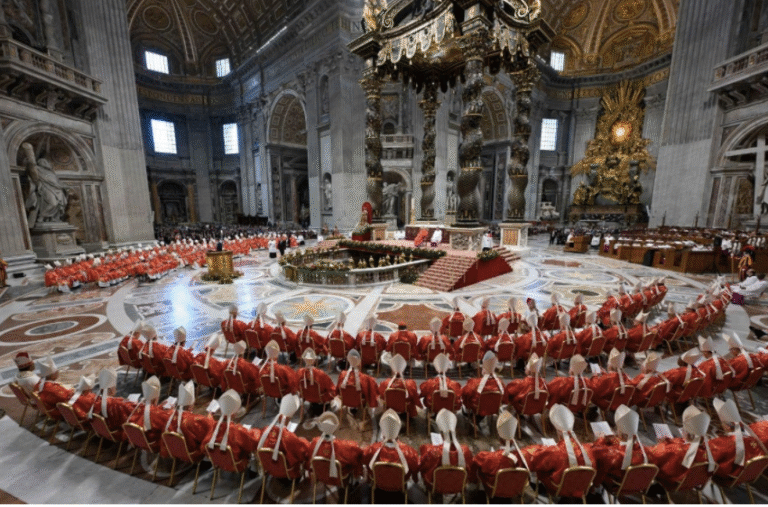
The doors of the Sistine Chapel were sealed off today (Wednesday, May 7 in the Vatican) and the 133 electors and the Vatican staff have been sworn into secrecy after a Eucharistic mass. Voting begins Wednesday for the successor of Pope Francis I, who died Easter Monday.
Red drapes now adorn the main balcony of St. Peter’s Basilica, where the new pope, if elected today, will be introduced to the whole world.
CNN’s Christopher Lamb wrote on Tuesday that even with the electors sealed off from the world, the 133 prelates were provided materials prior to the conclave. Of course, the Holy Masses that preceded and held on conclave day afforded them the chance to invoke the guidance of the Holy Spirit in their selection process.
“The electors are allowed to take in written materials and, in the days leading up to the conclave, have been offered a book on their fellow cardinals – entitled The College of Cardinals Report– that offers profiles of around 40 papal candidates, including a breakdown on where they stand on topics such as same-sex blessings, ordaining female deacons and the church’s teaching on contraception.”
KNOWING EACH ONE BETTER
The College of Cardinals report is available for free online but has also been produced as a large format book. One retired cardinal, not eligible to participate in the conclave, told CNN he had received a hard copy.
The book has been led by two Catholic journalists– Edward Pentin from Britain and Diane Montagna from the US – both of whose work appears on traditionalist and conservative Catholic news sites. Montagna has been handing the book to cardinals entering and leaving the pre-conclave meetings, Reuters reported.
The creators of the report say they produced the resource to help cardinals get to “know one another better” and was compiled by an “international and independent team of Catholic journalists and researchers.” The cardinals who come from 71 countries, many of them appointed by Francis over the last decade, don’t know each other well and have been wearing name badges during their meetings.
Pope John Paul II, in his rules on electing popes, prohibited, on pain of excommunication, “all possible forms of interference, opposition” from political authorities, including “any individual or group” who “might attempt to exercise influence on the election of the Pope.” ‘
INFLUENCING CONCLAVE
Asked by CNN if the cardinals could take the report in with them to the conclave, a Vatican spokesman said: “What they take in is up to them.”
Two church lawyers told CNN that the report is far from impartial and is an attempt to influence the conclave in an anti-Francis direction. For one, it describes Cardinal Mario Grech, of Malta who has been tasked with overseeing a major reform process in the Roman Catholic Church, as “controversial,” while heaping praise on US Cardinal Raymond Burke, Francis’ prominent critic.
The report was compiled in association with Sophia Institute Press (SIP), a traditionalist-leaning publishing house based in New Hampshire, and Cardinalis, a magazine based in Versailles, France. SIP publishes the radically anti-Francis “Crisis Magazine” and in 2019 published the book “Infiltration,” which claims that in the 19th century, a group of “Modernists and Marxists” hatched a plan to “subvert the Catholic Church from within.” Meanwhile, Cardinalis regularly features articles on prominent conservative cardinals.
Still, “The College of Cardinals Report” website tries to deflect accusations of bias, saying, “Our approach is fact-based and we strive to be impartial, offering as accurate a picture as possible of the sort of man who might one day fill the shoes of the Fisherman.”
HISTORICAL PRECEDENT
The authors claimed there is historical precedent for their initiative, pointing to times when “diplomats and other trusted scribes would compile more in-depth and reliable biographies of the cardinals and distribute them to interested parties.”
Pentin told CNN that the report “was conceived and created as a service to the members of the Sacred College to help them get to know one another in view of the next conclave and beyond. Naturally, we have sought to make the site and accompanying booklet accessible to as many cardinals as possible.”
Canon lawyer and Washington-based Catholic author Dawn Eden Goldstein is skeptical, saying “even if they were pushing for a cardinal in the mold of Francis, it is still banned according to the law of the church,” Goldstein told CNN.
CONCLAVE’S SECRECY
Pope John Paul II, in his rules on electing popes, prohibited, on pain of excommunication, “all possible forms of interference, opposition” from political authorities, including “any individual or group” who “might attempt to exercise influence on the election of the Pope.”
The idea behind the conclave’s secrecy is to prevent a repeat of the historical outside influence of the European monarchs’ veto power in a papal election, the last of which was in 1903.
But the 2025 conclave has seen various kinds of attempts to influence it. Clerical sexual abuse survivors have set up a database to vet cardinals’ records on handling the issue, while social media has been full of controversial content – from AI-generated videos of cardinals partying in the Sistine Chapel to US President Donald Trump releasing an AI imaGe of himself as a pope.
Well-funded conservative Catholic groups are among the would-be influencers.
Sophia Institute Press publishes books in partnership with The Eternal Word Network (EWTN), the largest global religious broadcaster had provided a platform to Francis’ critics.
The Napa Institute, a conservative Catholic group, has been present in Rome in the run-up to the conclave, as has the Papal Foundation, a group of Catholic philanthropists. “This room could raise a billion to help the church. So long as we have the right pope,” an anonymous Papal Foundation backer told the Times of London, CNN said.
RED HAT REPORT
Kurt Martens, a canon law professor of the Catholic University of America, said church legislation seeks to “protect the cardinals against all kinds of outside influencing and interference.” He pointed to the “Red Hat Report,” a US group that in 2018 sought over $1 million to compile dossiers on candidates to prevent a repeat of the conclave that elected Francis.
Martens said initiatives such as the cardinals’ report and the Red Hat Report were meant to give objective but colored information in order to influence the outcome of the conclave.” He added: “Per the rules of St. John Paul II, that is absolutely forbidden.”
But cardinals are not that easily influenced. Cardinal Oswald Gracias, the retired archbishop of Bombay, told CNN he is warning fellow cardinals about “fake news” on social media. He said he’d received the book on the cardinals but hadn’t gone through it. “It’s a well-produced volume, but I hope it’s accurate,” he added.
Warning that many causes of poor health come from outside the sector, the World Health Organization. It also cited that poor housing, lack of education and limited job opportunities are harming people’s health in many ways than one.
Based on WHO’s World Report on Social Determinants of Health Equity, experts explained that many social factors can shorten people’s healthy life spans by several years —even for decades— regardless of whether they live in rich or poor countries.
The report mentions as an example people in the country with the lowest life expectancy live, on average, 33 years less than those in the country with the highest life expectancy.
These social factors, health experts said, often have a bigger effect on health than genetics or even access to health care.
‘Even in rich countries, racial and ethnic differences in maternal death rates continue. In some places, Indigenous women are up to three times more likely to die during childbirth.’
UNEQUAL WORLD
“Our world is unequal. Where a person is born and how they live affects their health. But we can make things better,” WHO director-general Dr. Tedros Adhanom Ghebreyesus noted.
Ghebreyesus, there is much to hope for as the latest report suggests why it is important to fix these social issues and gives countries ways to improve health for everyone.”
The report also shows that health differences are strongly tied to poverty, lack of education and discrimination.
“People who live in poorer areas usually have worse health and fewer years of good life. These problems are even worse for groups who face racism or are pushed to the edges of society,” it spelled out.
FIRST OF ITS KIND
The WHO report is the first of its kind since 2008, when the global health agency set goals for improving global health by 2040. However, it warns that these goals probably won’t be met.
“Even though some health data is limited, there’s clear proof that health gaps within countries are getting worse. For instance, children in poorer countries are 13 times more likely to die before age five than those in wealthier countries. If health equity improved, 1.8 million young lives could be saved each year in low- and middle-income countries,” health experts pointed out.
Current health statistics indicate that while global maternal deaths dropped by 40 percent between 2000 and 2023, 94 percent of these deaths still happen in poorer countries.
Women from disadvantaged groups are more likely to die from pregnancy-related issues.
Even in rich countries, racial and ethnic differences in maternal death rates continue.
In some places, Indigenous women are up to three times more likely to die during childbirth.
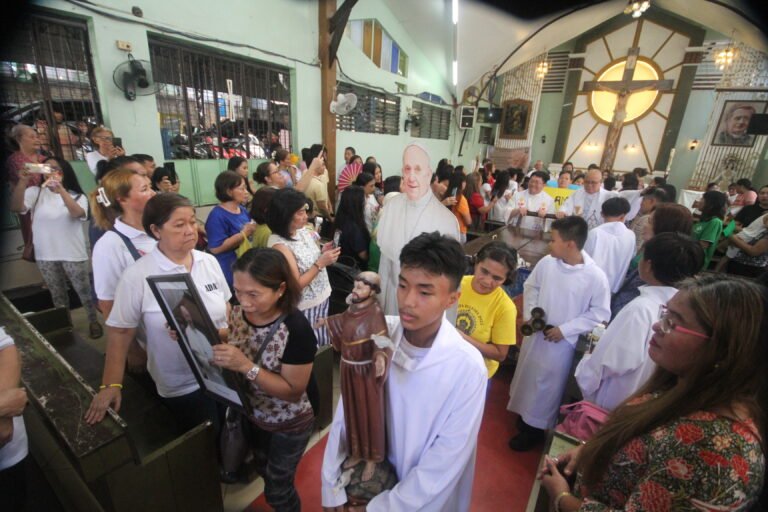
Running Priest Father Robert Reyes, assisted by Fr. Patrick Santines of Ina ng Laging Saklolo Chapel of Project 8 in Quezon City, push the symbolic cart of Pope Francis called ‘Ang Kariton ni Kiko’, that was paraded around the Sitio Militar. This was after the Mass of the Poor for the Conclave and in thanksgiving for Pope Francis’ Love for the Poor. This was held yesterday, Wednesday, May 7, 2025
IT IS LAMENTABLE, to say the least, that 19 million Filipino students– not just high school graduates in public schools– are functionally illiterate as this spells doom for our country’s future generations.
And for the Department of Education to declare that this huge number of practical robots– those who barely understand what they read and memorized in school spreads across all lower grade-separated and heaven forbid, undergraduate levels – can’t mentally function on their own.
GMA Integrated News quoted DepEd saying that based on the 2024 survey the 19 million Filipinos considered “functionally illiterate” came from a much broader age group, not just high school.
‘[L]iteracy must be at the heart of our education reforms … Ensuring that every Filipino learner is functionally literate is a commitment we owe to our constituents.’
STRUGGLING
DepEd Undersecretary for Strategic Management Ronald Mendoza said the 2024 Functional Literacy, Education, and Mass Media Survey (FLEMMS) data, presented last week by the Philippine Statistics Authority (PSA) in a Senate basic education committee hearing, actually indicated that 18.9 million Filipinos aged 10 to 64 were classified as functionally illiterate.
This means that these people can read, write, and compute but struggle with comprehension, regardless of their educational attainment.
Mendoza said only about 11.6 million were Junior High School and Senior High School learners for School Year 2024-2025, “making it incorrect to attribute the full 18.9 million figure solely to high school graduates.”
He said the PSA recently revised the definitions of “basic and functional literacy” which also raised the standard on literacy to include high level comprehension skills.
“Previously, individuals aged 5 years old and above were classified as basic literate if they could read and write; and individuals aged 10 to 64 years old as functionally literate if (1) they could read, write, and compute, (2) could read, write, compute and comprehend, or (3) at least high school graduate in the old basic education curriculum or at least junior high school completer in the K to 12 curriculum,” the DepEd official explained.
“The 2024 revision involves more stringent criteria. Basic literates now should be able to read, write with understanding, and compute whereas functional literates should be able to read, write, compute AND comprehend,” he added.
COMPREHENSION LEVEL
Because of this, Mendoza said the overall literacy rates in the country have decreased.
He said that before the definitional changes the basic and functional literacy rates would have been 95.1 percent and 93.1 percent, respectively.
But under the revised criteria, these figures have dropped to 90.0 percent and 70.8 percent, respectively.
“Using this revised measure, the functional literacy rate is about 70.8 percent. Simply put, around seven out of ten Filipinos possess high-level comprehension skills to process and apply information effectively in daily life,” Mendoza said.
Following the release of the 2024 FLEMMS, Education Secretary Sonny Angara reaffirmed the DepEd’s commitment to ensuring that every learner in the country is functionally literate.
“We will not let any learner fall behind in reading and comprehension, Angara stressed.
WE FAILED YOUTH
The recent FLEMMS results on functional literacy highlight what we have long recognized—literacy must be at the heart of our education reforms,” said Angara’s statement.
“Ensuring that every Filipino learner is functionally literate is a commitment we owe to our constituents,” he added.
DepEd Assistant Secretary for Curriculum and Teaching Jerome Buenviaje cited the need to develop learners’ literacy skills as early as kindergarten to address the alarming state of functional illiteracy among Filipinos.
Despite DepEd’s efforts, Buenviaje stressed that addressing functional illiteracy could not be done by DepEd alone, as this problem was also caused by other factors such as poor nutrition.
In short the government has been failing its youth in most, if not all, aspects of their growth and education.
CHINA’S PUBLICITY STUNT of purportedly displaying a flag on the Philippines’ Sandy Cay was intended as a test for Manila and Washington DC.
The actual photoshoot probably took place several hundred miles from the Cay, this seemingly trivial and adolescent prank had a very serious purpose.
Beijing wanted to see how the two capitals would respond and signal that it holds the initiative in the ongoing Sino-Philippine dispute in the West Philippine Sea and is not deterred by the UN Arbitral Tribunal ruling of July 12, 2016.
A PHOTO OP
In that context, the “photo op” had a similar purpose to the “territorial buoys and markers” Beijing planted around the Philippines’ atolls, cays, islands, reefs and shoals during the 1980s-1990s.
Removing those buoys and markers became nearly a weekly task for the Philippine Coast Guard and Navy during that decade.
Then, when bad weather and fuel restrictions created a gap in Philippine awareness, China quickly built “fishermen shelters” on Mischief and Fiery Cross Reefs.
A decade of military dredging and construction quickly followed, and the People’s Republic of China (PRC) has occupied those territories ever since.
The Philippines stopped similar attempts on 2nd Thomas and Scarborough Shoals and now enjoys the imperator of United Nations recognition of its sovereignty and sovereign rights over the West Philippine Sea.
BEIJING’S AGGRESSION
However, Beijing’s aggression continues.
The PRC almost gained de facto domination of the West Philippine Sea during this Century’s second decade.
But it has been thwarted over the last five years by Manila’s current defense of its sovereignty and adroit use of international publicity and diplomacy to expose China’s criminal behavior.
With its territorial sovereignty legitimized under international law, the Philippines has strengthened its defense relationship with the United States and expanded its security partners to include Japan, Australia and to a more limited extent, India.
China’s leaders, especially its supreme leader, Xi Jinping, are not accustomed to facing such an effective and comprehensive multi-level response to its aggression.
INCREASING CONCERN
Philippine President Ferdinand R. Marcos, Jr. has ensured the global community has become increasingly concerned and interested in China’s activities, frustrating Beijing’s efforts to control the international narrative.
However, Beijing may be frustrated but it has not given up on its hegemonic designs.
The Chinese Communist arty (CCP) is seeking ways to maintain the pressure on the Philippines and disrupt its political unity.
For the latter, China’s United Front Works Department is conducting an active propaganda, monetary investment and criminal relationship-building campaign to undermine the Philippine’s political unity, recruit sympathizers and weaken Philippine society.
INFANTILE STUNT
The infantile stunt on Sandy Cay simply represented the external component of China’s intimidation effort.
It may not have taken place on Sandy Cay itself but its purpose was far out of proportion to the Chinese resources involved.
Manila’s rapid response and exposure of Beijing’s false narrative told China’s leaders that the Philippines is watching and will ensure the world is as well.
Washington’s subsequent condemnation of China’s provocative action reinforced that message.
The combined US-Philippine reactions sent a good deterrent message but the two country’s leaders must now prepare for China’s next test.
Beijing has not given up and is already preparing to present another exam for the two allies to take. Their answer(s) will shape the state of peace and Philippine sovereignty and sovereign rights in the West Philippine Sea.
About the Authors:
Carl O. Schuster is a retired US Navy Captain with 25 years of active duty service, and former director of Operations of the US Pacific Command’s Joint Intelligence Center in Hawaii. He recently retired from 24 years as an adjunct faculty member of Hawaii Pacific University’s Diplomacy and Military Studies Program. He is a defense consultant, and a freelance writer who has published four books on naval affairs.
(EDITOR’S NOTE. This piece was sent by Dr. Celia Lamkin, the founder and Global Chairperson of the National Youth Movement for the West Philippine Sea (NYMWPS). For feedback and information, please send email to celia.lamkin@yahoo.com)
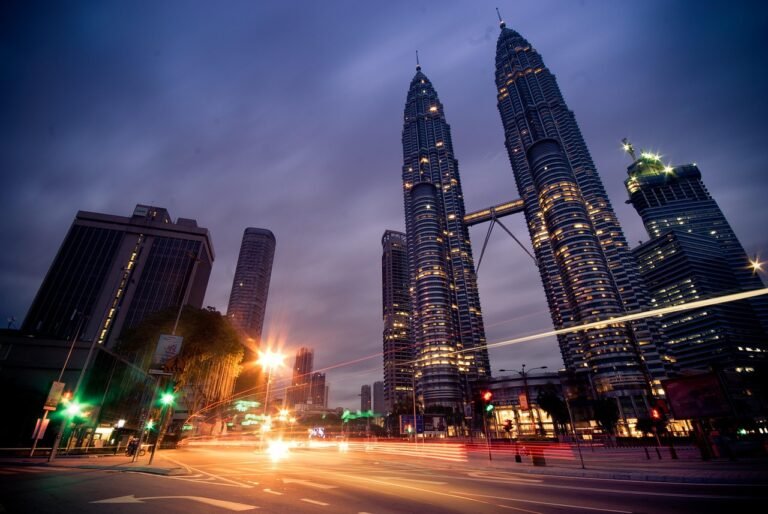
Not one city or metropolitan area made it to the list of Agoda’s top ten family-friendly destinations in Asia. Based on search data from January to March, Agoda’s top ten family-friendly destinations in Asia are led by Tokyo, Osaka, Bangkok, Kuala Lumpur, and Seoul, with Singapore, Bali, Taipei, Okinawa, and Hong Kong making the list. The data is based on accommodation searches made on Agoda between January and March 2025 for stays with at least one child.
“Family travel is all about creating memories that last a lifetime, and Agoda is here to make that as seamless and affordable as possible. Whether it’s a beach escape, a city adventure, or a mix of both, Agoda’s got the perfect stay for every family. Plus, with our mobile app, finding the best deals is as easy as planning your next family game night,” said Hiroto Ooka, Associate Vice President North Asia at Agoda.
According to Agoda’s 2025 Trend Survey, family travel is on the rise, with over a third of travelers (34 percent) planning to explore the world with their loved ones this year—a testament to the growing desire for shared experiences. Families are embracing the joy of travel together, but none more so than travelers from South Korea, Taiwan, Japan, Malaysia, and Thailand, who are leading the charge as the most avid family travelers in order of importance.
“Whether it’s a quick getaway or an extended adventure, Asia’s diverse offerings make it a playground for families of all kinds. For city-loving groups, Tokyo, Kuala Lumpur, and Singapore deliver a mix of culture, entertainment, and kid-friendly attractions,” Agoda said.
“Beach bums can soak up the sun in Bali or Okinawa, while adventure-seekers can explore the vibrant streets of Bangkok or the lush landscapes around Taipei. Families looking for a blend of culinary exploration and excitement will find Osaka, Seoul, and Hong Kong ticking all the right boxes,” it added.