

LIFE in the Philippines is not getting any better — and kids as young as five years old must have realized that working is the only way they could survive.
Based on data released by the Philippine Statistics Authority (PSA), the number of working children, aged five to 17 years old, has been increasing on an annual basis.
According to the PSA, the estimated number of working children stood at a staggering 868,540 in 2025, surpassing 861,450 working kids recorded in 2024.
Percentage wise, the number of working kids last year represents 3.1 percent of the 2025 population. It is also slightly higher than the 2.7 percent recorded in 2024.
Interestingly, the latest figure remains comparatively lower than the 1.09 million working children recorded in 2023.
The PSA data also showed that six of 10 working kids were boys.

By age group, 73.5 percent of the total working children in 2025, were 15 to 17 years old.
The services sector employed the highest percentage of working children over the past three years, accommodating 48.7 percent of working children.
The agriculture sector was the second largest child employer which accounts for 41 percent.
A little over 10 percent of the total number of working children were employed in the industry sector.
The PSA also noted that 69.1 percent of working children reported to have worked 20 hours or less per week in 2025.
Meanwhile, children who worked 21 to 40 hours per week accounted for 18.4 percent of working children.
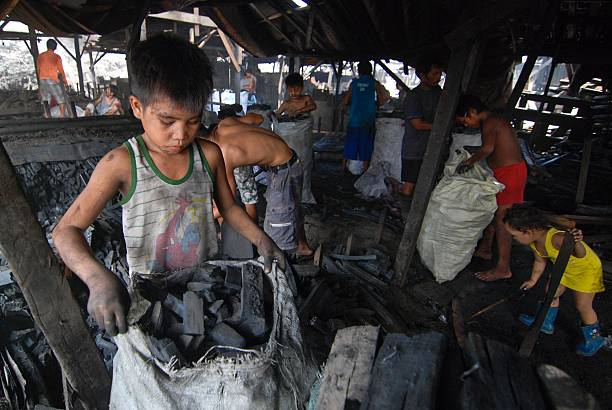
In a bit of “good news,” child labor in the country decreased in 2025.
The PSA defines child laborers as working children who were engaged in hazardous work or activities which are likely to be harmful to the health, safety or morals of children; work by children below 15 years of age that is more than 20 hours a week or more than four hours at any given day or between eight o’clock in the evening and six o’clock in the morning of the following day; and work by children 15 to 17 years of age that exceeds 40 hours a week or more than eight hours a day or between 10 o’clock in the evening and six o’clock in the morning of the following day.
The PSA said the total number of working children who were engaged in child labor was estimated at 513,650 in 2025, — higher 509,160 in 2024 but lower compared to 678,360 recorded in 2023.
“Among the total children aged five to 17 years, 1.6 percent were engaged in child labor in 2024. This proportion increased to 1.8% in 2025,” the PSA said.
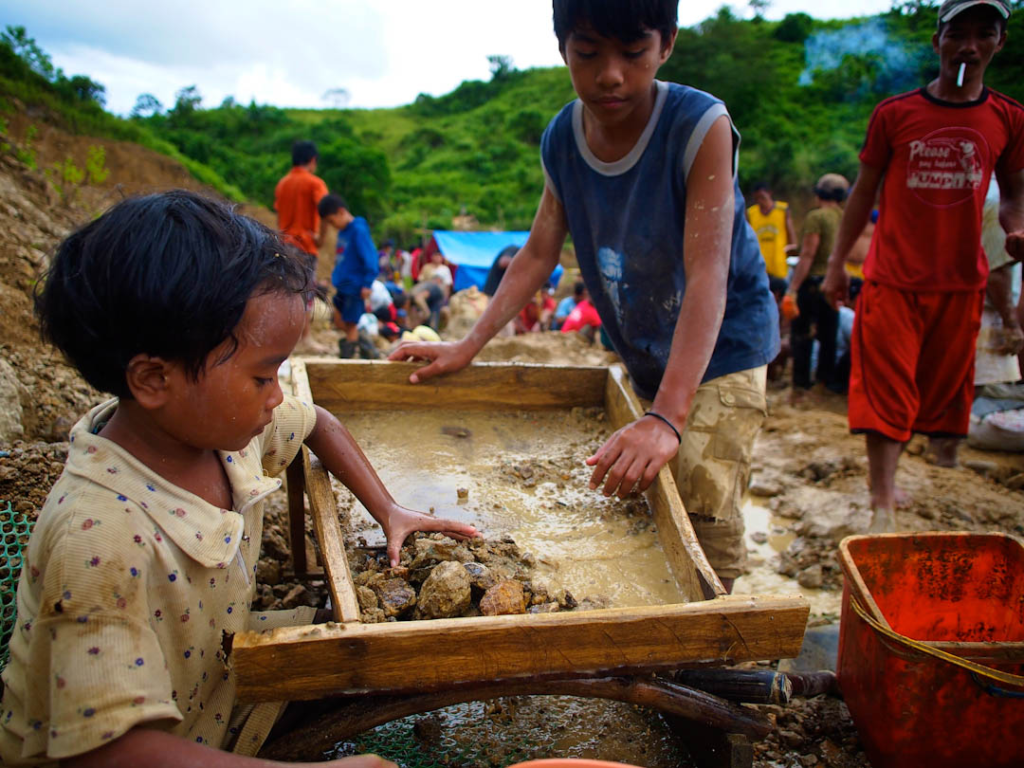
“In 2023, the percentage engaged in child labor for the same age group was estimated at 2.2%,” it added.
Among working children, the PSA said child laborers comprised 59.1% in both 2024 and 2025.
This was lower than the estimated proportion at 62% of working children who were involved in child labor in 2023.
By sex, 373,650 or 72.7% of the estimated 513,650 working children engaged in child labor in 2025 were boys, while 140,000 or 27.3% were girls.
Across age groups, the PSA said child laborers 15 to 17 years old continued to account for the largest share of working children engaged in child labor at 80.5% in 2025.
This was higher than the share of child laborers 15 to 17 years old reported in 2024 at 78.6% and in 2023 at 74.4%.
The agriculture sector continued to account for the largest share of child laborers at 65.5% in 2025, followed by the services sector with 25.8% share and the industry sector with 8.7% share.

