


FOR MANY FILIPINO families, learning has always started at home — at the dinner table, in quiet conversations with parents, or through the daily lessons of survival and resilience.
Today, however, the home is also becoming something new: a small digital classroom, a mini marketplace, and sometimes even a livelihood hub.
As the saying goes, “When one door closes, Wi-Fi opens another.”
Across the country, more families are discovering that the internet is no longer just for scrolling, watching videos, or chatting with relatives abroad. It is slowly becoming a tool for learning skills, building small businesses, and finding new ways to earn.
But here lies the challenge: curiosity about the digital world is growing fast, yet guidance on how to actually begin remains uneven. Many families, especially in communities outside major cities, want to explore online opportunities but simply do not know where to start.
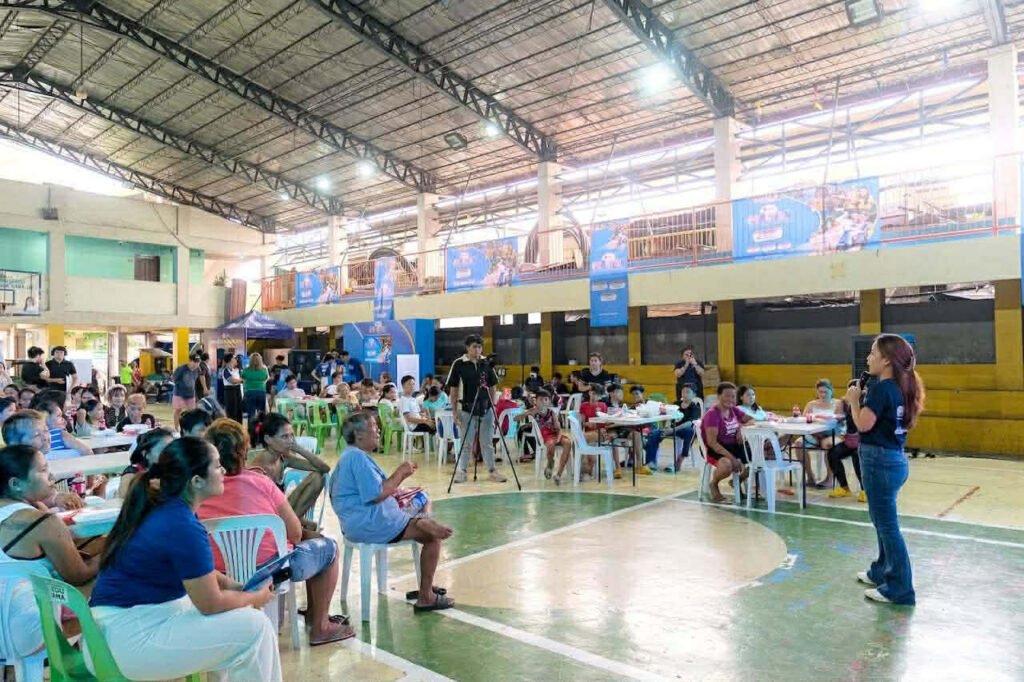
This is where Globe’s Globe Caravan enters the picture.
Instead of waiting for people to figure things out on their own, the Globe Caravan brings digital learning directly to communities. Think of it less like a seminar and more like a traveling classroom that meets families where they are.
Recent stops in Iloilo and Cebu showed how something as simple as a community session can open doors to new ideas. Parents and households were introduced to beginner-friendly ways of using digital tools for skills development and income opportunities such as live selling and social commerce.
For many participants, the biggest realization was simple but powerful: connectivity at home can be more than just a monthly bill.
As Globe Chief Marketing Officer Roche Vandenberghe puts it:
“Progress starts at home. The Globe Caravan brings learning, connectivity, and opportunity closer to Filipino families so they can see how being connected can support education, livelihood, and everyday life.”
In other words, the internet is not just about access anymore. It is about what families can do together once they are connected.
And perhaps that is the quiet strength of initiatives like the Globe Caravan. It recognizes that technology alone does not change lives — people do. But when communities are given the right tools and a little guidance, families begin to see possibilities they may have never considered before.
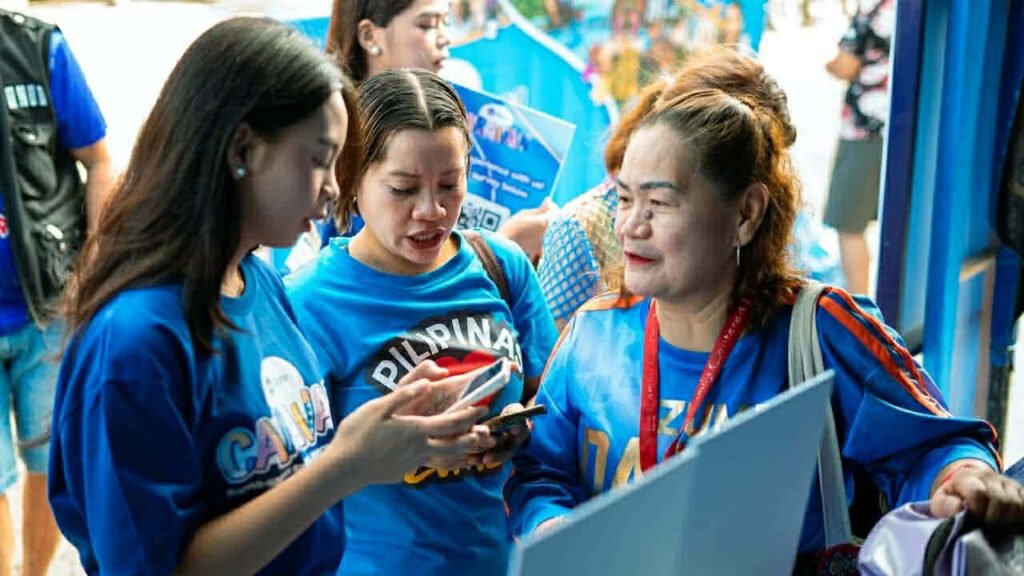
A parent may learn how to sell products online.
A child may discover new learning platforms.
A household may find ways to earn together.
As Vandenberghe further explains:
“Connectivity today is no longer just about access. It’s about what families are able to do together once they are connected.”
The Globe Caravan also reflects a larger truth about development: progress should not always begin in big cities. Sometimes the most meaningful change starts in barangay halls, community centers, and neighborhood gatherings where people learn side by side.
Because in the Filipino spirit of bayanihan, growth is rarely a solo journey.
By bringing digital learning closer to communities, Globe is helping families see connectivity not just as technology, but as an opportunity — one that can support education, livelihood, and shared progress at home.
The Caravan continues its journey across the country, with its next stop scheduled in Cabanatuan in March 2026, where more families will gain the chance to learn, earn, and grow in an increasingly connected world.
After all, in today’s digital age, the most powerful signal is not just the strength of the internet —
it is the strength of the families using it to move forward together.