


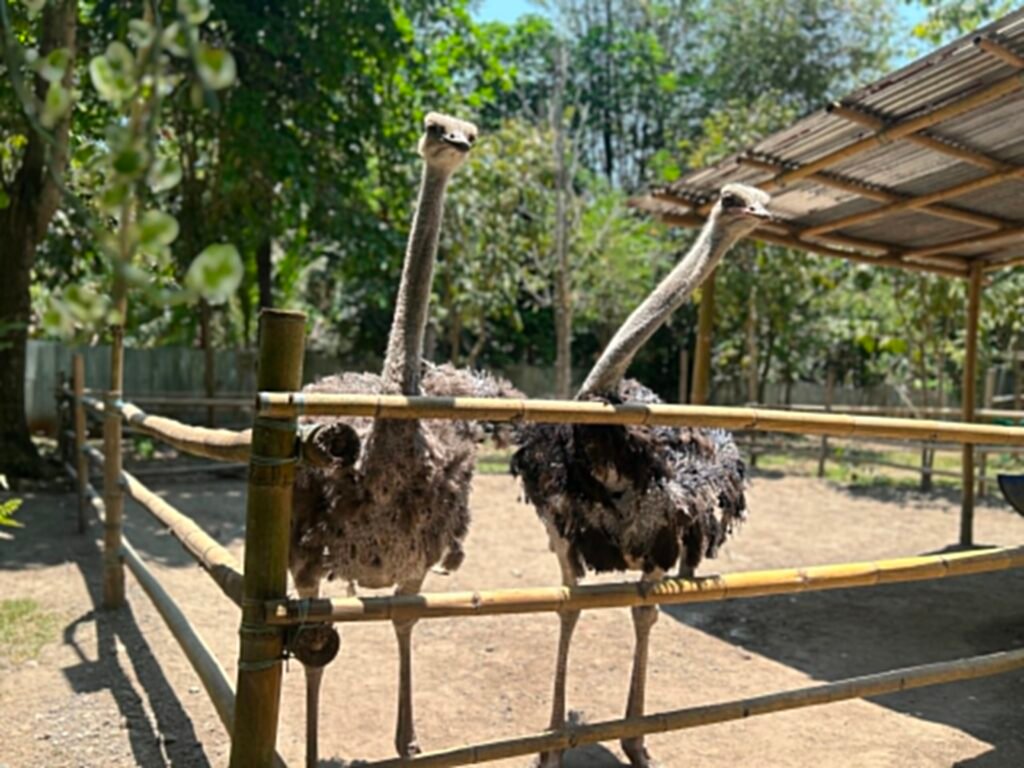
THERE ARE PLACES you visit for photos—and then there are places that quietly rearrange how you see the world. Tucked in Kalibo is one such place: the Kalibo Ostrich Farm, where feathers, scales, and stories live side by side—and where care is not a concept, but a daily commitment.
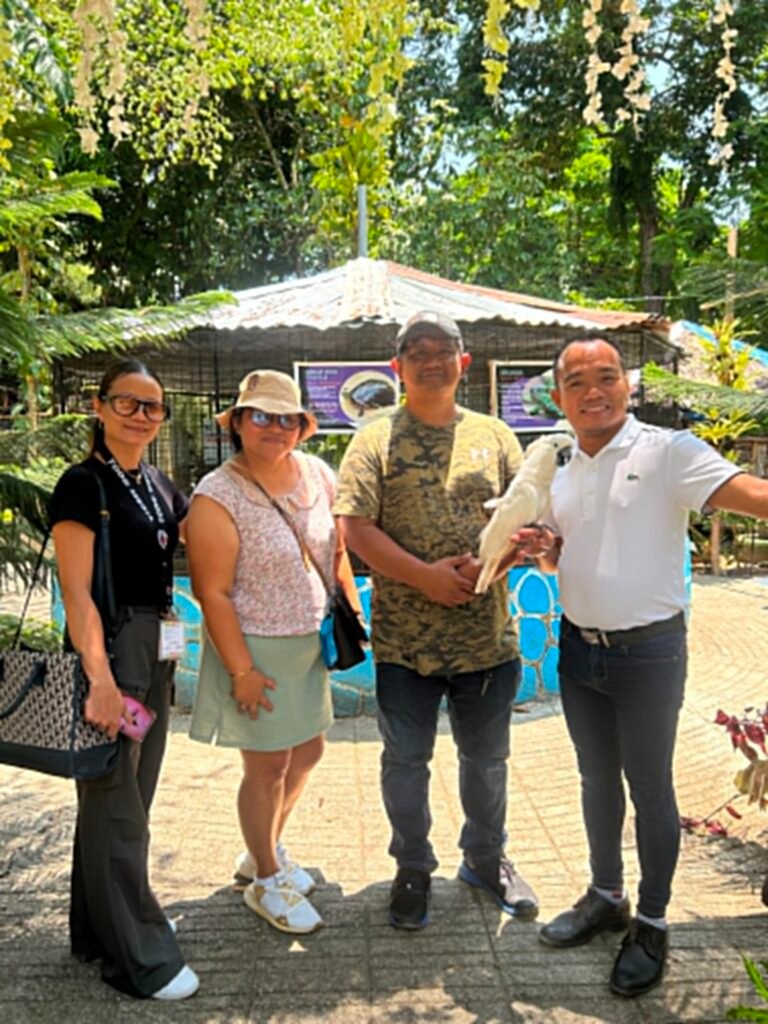
At the heart of it all is Ramon Dio, a man who speaks of his animals not as attractions, but as family. “Hindi lang sila display. Para ko silang mga anak—kailangan alagaan, intindihin, at mahalin.”
It’s a line that sounds simple—until you hear the weight behind it.
The Misunderstood Caretaker
There was a time, he shared, when a post circulated online accusing him of neglect—particularly of his ostriches. It stung. “Masakit. Kasi hindi nila alam ang buong kwento.”
What many didn’t understand is that ostriches, like people, go through phases. There are seasons when they shed feathers, appearing almost bare, even fragile. There are days they grow lean, not from neglect, but from natural cycles, stress, or environmental changes.
It’s a quiet reminder that not everything we see at a glance tells the truth. “Care is not always pretty,” Mr. Dio says. “Minsan mukhang hindi maayos—but that’s part of life.”
And perhaps that’s where the lesson begins: compassion requires context.
A Farm That Grew Beyond Its Name
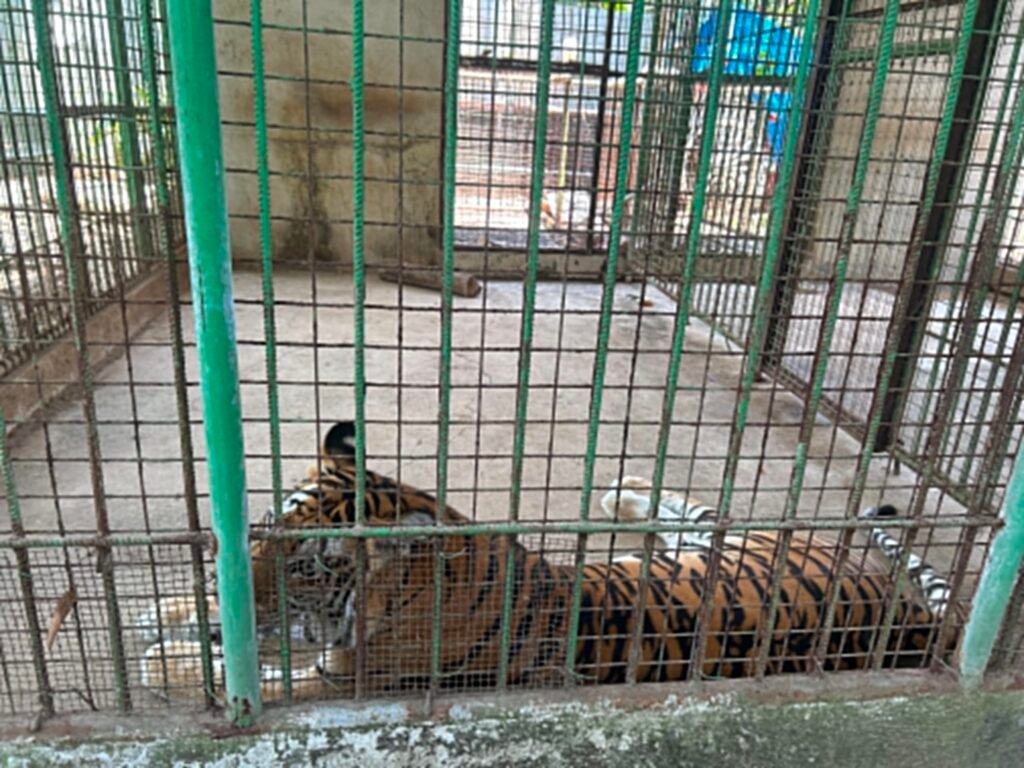
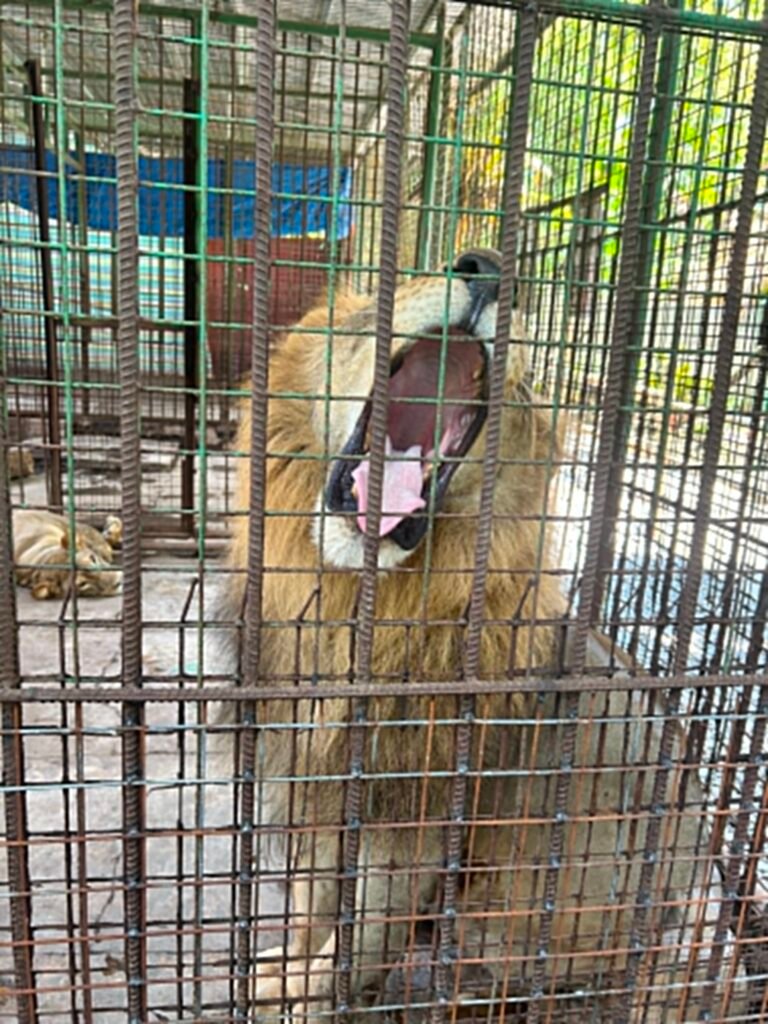
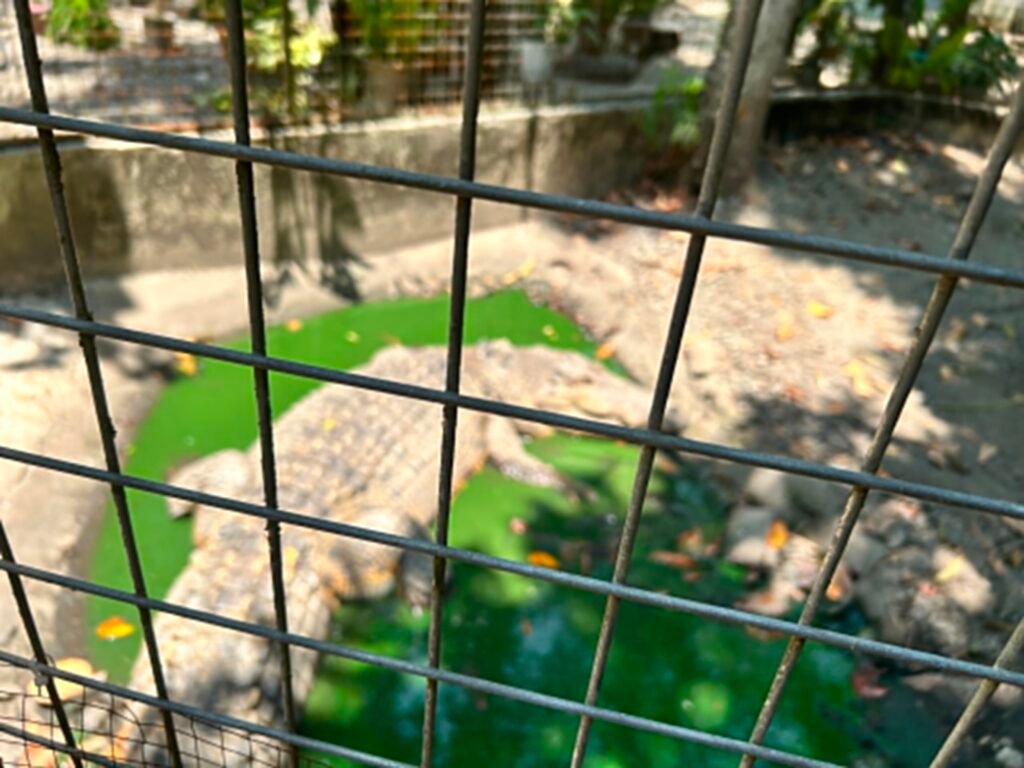
Despite its name, the farm has outgrown its first identity. Today, it’s a living ark of experiences. Lions and tigers roam in enclosures that command both awe and respect. A chimpanzee watches visitors with almost human curiosity. Massive snakes coil in stillness, while crocodiles—lots of them—wait with prehistoric patience.
Monkeys chatter like they own the place. Maybe they do.And then there are the horses—steady, grounding—offering visitors a chance to ride through the farm, not just observe it.
It’s not just a farm anymore. It’s a bridge between people and creatures they’ve only seen in books, screens, or imagination.
Mr. Dio recalls one visitor—an elderly man—who stood frozen in front of a lion. Then, unexpectedly, he cried.“Sabi niya, ngayon lang daw siya nakakita ng totoongleon. Dati sa libro lang.”
There’s something profoundly human in that moment—the collision of childhood wonder and late-life reality. A dream, delayed but not denied.
Experiences That Stay With You
For ₱200, visitors can try something few ever will: crocodile fishing. It’s not your typical weekend activity—and that’s precisely the point. It shakes you out of routine, places you in a space where nature feels both thrilling and humbling.
Inside the farm, there’s also a restaurant—a place to sit, breathe, and process what you’ve just seen. Because a visit here isn’t just about ticking boxes; it’s about absorbing something deeper.
Lessons from an Unlikely Classroom
The Kalibo Ostrich Farm doesn’t pretend to be perfect. And that might be its most honest strength.
It teaches patience—the kind you need when animals don’t perform on cue.
It teaches empathy—the kind you learn when you understand that appearance isn’t always reality. It teaches resilience—the kind you see in a man who continues caring, despite criticism.
“Hindi mo kailangan maintindihan agad ang lahat,” Mr. Dioreflects. “Pero sana, bago humusga, subukan muna natingmakita ang buong larawan.”
More Than a Destination
In a world that often rushes to judge and scroll past, this farm invites you to slow down. To look closer. To ask questions. To feel something real.
Because sometimes, inspiration doesn’t come from grand speeches or perfect places.
Sometimes, it comes from a man in a quiet corner of Aklan—feeding his animals, defending them when misunderstood, and choosing, every single day, to care anyway.
And maybe that’s the kind of story worth holding on to.
Nice place with nature kasama sa mga hayop na very friendly
Super naka ka relax at stress reliever Yung mga hayop sa loob