Thursday, March 26, 2026
Home Blog Page 11

Stronger Policy Amid Snags In Delivery Apps

0

AMID LOUDER HOWLS of extreme dissatisfaction over issues of delay, poor customer service and other problems hounding delivery apps, a cause-oriented group urged the government to come up with stronger policies to protect consumers from fraud and poor service.

Citing documented incidents of delay, poor customer service and other problems that include missing or incorrect products, the Filipino Consumers for Reform (Filcore) cited the urgent need to regulate delivery apps and further protect the public from fraud or poor service. 

During the past holiday season, Filcore noted a rising number of complaints often centering on late or missing orders, incorrect items, unresolved concerns and unhelpful agents, wrong branding of products and hidden fees or billing issues. 

FALSE PROMISES

According to Filcore spokesperson Tracy Cabrera, the public’s frustrations stemmed from app promises which often fall short of reality, impacting both users and drivers who face low pay after expenses, leading to calls for better resolution channels.

Filcore particularly hinted at the need for the Department of Trade and Industry (DTI) to put up local offices if only to ensure prompt resolution to consumer complaints.

In recent times and as a knee-jerk reaction to resolve these problems, the DTI has tried to appease the complaints through an online dispute resolution (ODR) system which allows electronic filing consumer complaints, enabling the parties to resolve their dispute without the need for physical presence during the proceedings. 

The system complements traditional offline dispute resolution mechanisms, such as small claims courts and alternative dispute resolution (ADR) schemes, and plays a critical role in increasing consumer empowerment and access to redress in the country’s continuing evolution in the digital economy.

LENIENT CONSUMERS

Cabrera, however, cited that in the concern over delays in delivery, most consumers have exercised some understanding as delivery or fulfillment is often postponed beyond the original estimated time due to various issues like weather, supply chain problems, logistics, high demand, or incorrect information, but it’s still on its way, not lost. 

“Common reasons include carrier capacity, customs, holidays, labor shortages or unexpected global events, with ‘delayed in transit’ meaning it’s moving, just slower,” Cabrera said.

“There are also logistical and supply chain issues, among them port congestion, carrier capacity, warehousing bottlenecks, and last-mile challenges aside from weather and natural disasters: Severe conditions can halt air, sea, and ground transport,” he added.

UNTENABLE CASES

The Filcore mouthpiece also cited untenable situations focusing on factors of high demand during peak seasons or sales events that overwhelm shipping networks even as incorrect Information like typo errors in addresses or phone numbers, customs and regulatory issues and labor shortages such as insufficient staff to pick, pack or deliver orders must all be looked into and addressed. 

In the end, Cabrera underscored the important role of the government, especially the DTI and also the Bureau of Customs and other related agencies, in formulating policies and measures that would ensure consumer protection.


Malampaya Has So Much To Give

THE DISCOVERY OF natural gas at Malampaya East-1 (MAE-1) offshore Palawan marks the Philippines’ most significant indigenous energy breakthrough in more than a decade—one that could redefine the country’s energy security at a critical time. 

Announced by President Ferdinand Marcos Jr. on January 19, 2026, the find offers renewed hope as production from the original Malampaya gas field continues to decline.

Early estimates place the MAE-1 reservoir at around 98 billion cubic feet of recoverable gas, with the capacity to generate nearly 14 billion kilowatt-hours of electricity annually—enough to power up about 5.7 million households for a year. 

Initial tests indicate a production flow of roughly 60 million cubic feet of gas per day, signaling a commercially viable well with strong development potential.

Located approximately five kilometers east of the long-operating Malampaya field, MAE-1 reinforces the strategic value of offshore exploration in Philippine waters. 

For over two decades, Malampaya has served as the country’s sole domestic source of natural gas, supplying a substantial portion of Luzon’s power requirements. 

As its output wanes, the MAE-1 discovery emerges as a timely extension of the nation’s offshore energy lifeline.

ENERGY BOOST

Energy officials and industry analysts view MAE-1 as a crucial buffer against rising dependence on imported coal and liquefied natural gas (LNG), both of which expose the country to global price volatility. 

By expanding domestic supply, the new gas find could help stabilize electricity prices and reduce the risk of power shortages, particularly during peak demand periods.

Beyond dry gas, MAE-1 also contains condensate—a high-value liquid byproduct used in fuel blending and petrochemical processes—adding another revenue stream that could further strengthen the country’s energy portfolio.

FILIPINO DISCOVERY  

The breakthrough is part of the Malampaya Phase 4 Drilling Campaign, undertaken by the Service Contract 38 (SC-38) Consortium led by Prime Energy Resources Development B.V., in partnership with UC38, PNOC Exploration Corporation, and Prime Oil and Gas Inc. 

Notably, the drilling operation was completed safely, without environmental incidents, and with strong participation from Filipino engineers, technicians, and offshore workers.

The campaign will continue with further testing at nearby prospects, including Camago-3, followed by the planned Pag-asa exploration well, underscoring the possibility that MAE-1 may be only the beginning of a broader gas revival in the area.

SIGNIFICANT IMPACTS

The Philippines consistently ranks among Southeast Asia’s countries with the highest electricity costs, largely due to fuel imports. 

If developed swiftly, MAE-1 could help temper long-term power prices, attract new investments in energy infrastructure, and create high-skill jobs in exploration, processing, and transmission.

From an environmental standpoint, natural gas emits significantly less carbon dioxide than coal when used for power generation. 

While not carbon-free, MAE-1 can serve as a transition fuel—supporting renewable energy integration while lowering the overall carbon intensity of the national power mix.

STRICT OVERSIGHT

Yet the promise of MAE-1 also revives a crucial lesson: energy wealth must be managed with integrity. Past controversies surrounding Malampaya — particularly allegations involving irregular share transfers and corruption — underscore the need for strict oversight.

Calls have intensified for transparent audits of SC-38 transactions, rigorous technical and financial vetting of project partners, and full disclosure of beneficial ownership. 

Strengthening compliance with the Philippine Extractive Industries Transparency Initiative (PH-EITI), enforcing anti-graft laws, and protecting whistleblowers are widely seen as essential safeguards to ensure that public interest prevails over private gain.

MAKE OR BREAK

Malampaya East-1 stands as more than a gas discovery; it is a defining opportunity. 

Managed wisely, it can reinforce energy security, support economic growth, and showcase Filipino expertise in complex offshore operations. Mishandled, it risks becoming another missed national advantage.

As the Philippines charts its path toward a more resilient and sustainable energy future, MAE-1 offers a clear message: the country’s natural wealth can power progress—if guided by competence, transparency, and an unwavering commitment to the common good.

Energizing The World Without Cables And Wires

FINLAND HAS ONCE again positioned itself at the forefront of global innovation with a groundbreaking advancement that could redefine how electricity is generated, transmitted, and consumed. 

This comes as Finnish scientists and technology firms are accelerating the development of wireless electricity transmission, a disruptive energy solution that allows power to be delivered without physical cables—long considered a futuristic concept but now edging closer to commercial reality.

At the heart of such an innovation is advanced wireless power transfer (WPT) technology, using electromagnetic fields, resonant inductive coupling, and radio frequency systems to transmit electricity safely through air. 

Unlike conventional wired grids, wireless electricity eliminates physical connectors, significantly reducing energy losses, infrastructure costs, and safety hazards caused by aging cables, extreme weather, or difficult terrain.

WIRELESS POWER APPS

Finland’s leadership in this field is not accidental. With a strong national focus on clean energy, digitalization, and sustainable infrastructure, Finnish research institutions—working closely with private technology firms—have pushed wireless power applications beyond laboratories and into real-world testing environments. 

Pilot projects now demonstrate wireless charging of electric vehicles, industrial equipment, medical devices, and Internet of Things (IoT) sensors.

One of the most promising applications lies in electric mobility. Wireless charging roads and parking platforms are being tested to allow electric vehicles to charge automatically while stationary—or even in motion—without plugging in. This could dramatically accelerate EV adoption by solving one of the sector’s biggest challenges: charging convenience and infrastructure limitations.

SEAMLESS DEVICES

In healthcare, Finland’s wireless power systems are enabling implantable medical devices to operate without battery replacements or invasive wiring. Pacemakers, sensors, and monitoring tools can now be powered continuously, reducing medical risks while improving patient comfort and long-term care reliability.

Industrial and smart-city applications also stand to benefit. Wireless electricity allows sensors, street lighting, and automated systems to function in harsh or remote environments where wired connections are impractical or costly. 

For Arctic and offshore conditions—where Finland has deep expertise—wireless power offers a resilient alternative to traditional grids.

EFFICIENCY, SAFETY

Crucially, Finnish developers emphasize energy efficiency and safety. 

Modern wireless electricity systems are designed to operate within strict international exposure limits, ensuring they pose no harm to humans, animals, or surrounding ecosystems. 

When combined with renewable energy sources such as wind, solar, and hydrogen, wireless transmission strengthens Finland’s push toward carbon neutrality and energy independence.

GLOBAL IMPLICATIONS

Beyond national borders, Finland’s wireless electricity breakthrough has global implications. 

Developing countries, island communities, disaster-prone regions, and conflict zones could leapfrog traditional grid infrastructure entirely. Wireless power hubs could rapidly restore electricity after calamities, support remote education and healthcare, and drive inclusive economic growth.

While challenges remain—particularly in scaling power over long distances and managing costs—the trajectory is clear. 

Continuous improvements in efficiency, materials science, and digital control systems are rapidly narrowing the gap between experimental success and mass deployment.

RESILIENT SOLUTIONS

As the world searches for cleaner, smarter, and more resilient energy solutions, Finland’s wireless electricity technology stands as a powerful signal of what lies ahead. 

A future without tangled cables, vulnerable grids, and geographic limitations is no longer science fiction—it is steadily becoming a global reality.

In unplugging electricity from wires, Finland may well be plugging the world into its next great energy transformation.

Court Convicts Red-Tagged Journalist

0

TRUE ENOUGH, the Philippines is a very dangerous place to become a journalist.

In Tacloban City, a local court issued a guilty verdict against 26-year old community journalist Frenchie Mae Cumpio and dorm mate Maielle Domequil for “terrorism financing.” 

They were both convicted to a jail time of no less than 12 years. Press freedom groups however called the sentence a “travesty of justice.

RED-TAGGED 

Cumpio, who was arrested in February 2020, was red-tagged and labelled a subversive for her reports criticizing the police and military. Troops raided her boarding house in the middle of the night and allegedly found a hand grenade, firearm, and communist flag in her bed.

Rights groups denounced the “fabricated” charges as Cumpio had been red-tagged, and labelled as subversive for the manner in which she writes her news reports.

Observers say that red-tagging of journalists and activists intensified under the presidency of Rodrigo Duterte, who waged a bloody war on drugs from 2016 to 2022, reads part of a BBC report.

WITHOUT TRIAL

On Thursday, after six years in prison without trial, Cumpio was acquitted of charges related to the illegal possession of firearms and explosives, but convicted of terrorism financing.

She faces 12 years behind bars and her former roommate, Domequil, was also convicted and handed the same sentence. The two broke down in tears and hugged each other as the court’s decision was read, AFP news agency reported.

“We are deeply concerned about the implications of this conviction, considering that there are many other cases, and I would say, trumped- up cases of financing terrorism that are still being prosecuted all over the country,” said Cumpio’s counsel, Atty Josa Deinla to BBC.

DIRE CONSEQUENCE

“The sad reality is that this decision carries grievous consequences for community journalism, because it’s really the community journalist – the ones on the fringes, the ones who don’t belong to the dominant media organisations, that really bring to light the conditions, especially in rural countryside, where the poorest people live.”

Prior to her arrest, Cumpio regularly reported on abuses by the military and police in the  Eastern Visayas region, through articles for news site Eastern Vista – of which she is former director – and her radio show hosting on Aksyon Radyo-Tacloban DYVL.

Her case has drawn attention from local and international press freedom organizations.

SILENCING MEDIA

Beh Lih Yi, Asia-Pacific director of the Committee to Protect Journalists, condemned Thursday’s court decision.

“This absurd verdict shows that the various pledges made by President Ferdinand Marcos Jr. to uphold press freedom are nothing but empty talk,” she said.

“The ruling underscores the lengths that Philippine authorities are willing to go to silence critical reporting.”

Independent media outlet Altermidya’s statement on Thursday morning, condemned the decision as a “miscarriage” of justice — “We are outraged by the clear injustice of the court decision amid glaring evidence that the charges against Frenchie Mae, Marielle Domequil, and the rest of Tacloban 5 are all fabricated,” reads part of Altermidya’s statement.

“The decision is a grave injustice and is a serious peril to the already dire state of press freedom and free expression in the Philippines.”

STATE-SPONSORED

The Philippines’ International Association of Women in Radio and Television also issued a statement following the conviction, describing it as “a blatant act of state-sponsored silencing.”

“The conviction of Frenchie Mae for terror financing is a travesty that seeks to legitimise the silencing of women who dare to speak truth to power, and her sisters from our community of women in media will not rest until she is fully vindicated and her name is cleared of these baseless charges,” the statement said.

“This sends a chilling message: that documenting the struggles of the poor has become a punishable offense,” the group added.

DANGEROUS COUNTRY

The Philippines is one of the most dangerous countries for reporters, according to Reporters Without Borders (RSF) data, the BBC report said.

Community journalists like Cumpio are especially vulnerable as they find themselves in the crosshairs of long-established political dynasties and warlords.

In 2009, a political clan in the southern province of Maguindanao massacred 58 people, mostly journalists, to stop the clan’s rival from filing an election challenge.

As of 2026, the Philippines has remained a concern for the global watchdog Committee to Protect Journalists (CPJ) as the country holds one of the worst records for impunity.

Cumpio’s conviction however appears more like a state repression to silence the local media.

CONDEMNATION

Progressive media group Altermidya Network and human rights watchdog Karapatan also condemned the guilty verdict.

“We strongly condemn the guilty verdict against our colleague, Frenchie Mae Cumpio. While she was acquitted of charges related to the illegal possession of firearms and explosives, it is deplorable that she was convicted of a terrorism financing charge,” Altermidya said in a statement.

“This conviction is a blatant affirmation of how the justice system is being weaponized through NTF-ELCAC’s lies and persecution,” said Karapatan secretary general Cristina Palabay.

Palabay also said that Cumpio and Domequil “were not targeted because of evidence, but because of who they are and the work they do among the people.”

Lawyer Deinla, who represents both in court, said that they are ready to file a motion for reconsideration on the guilty verdict and a possible motion to set bail, according to Pinoy Weekly.

No Languishing For Bong Revilla

1

THE assurance issued by Interior and Local Government Secretary Jonvic Remulla — that former Senator Bong Revilla would not be accorded with special privileges while in detention, is no more than lip service, says detainee rights advocacy group Kapatid.

In a statement, Kapatid called on the immediate transfer of Revilla to an ordinary jail cell, where other accused officials in the flood control controversy are being held.

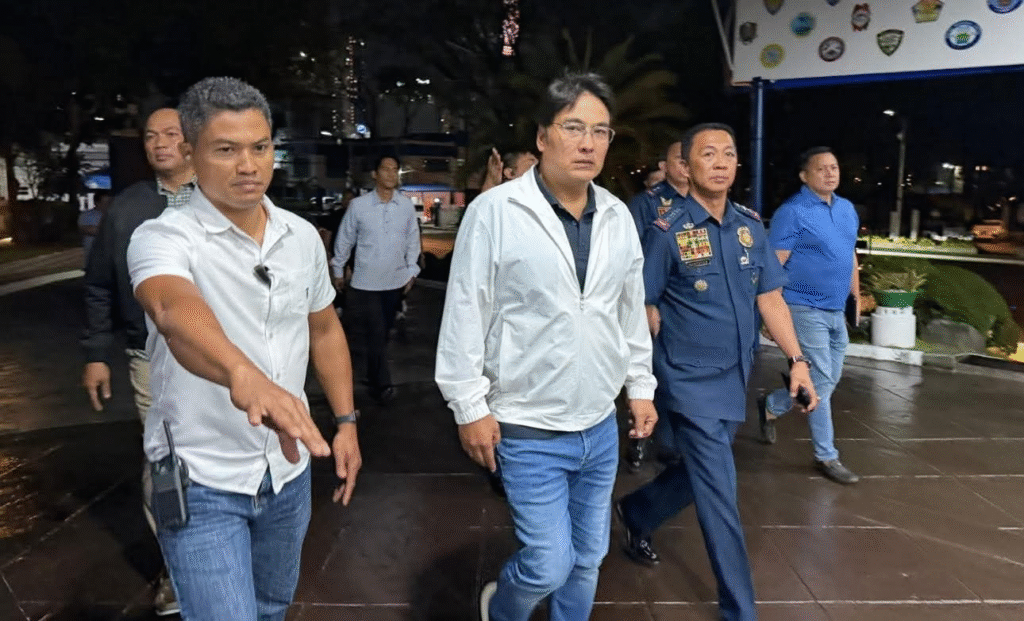
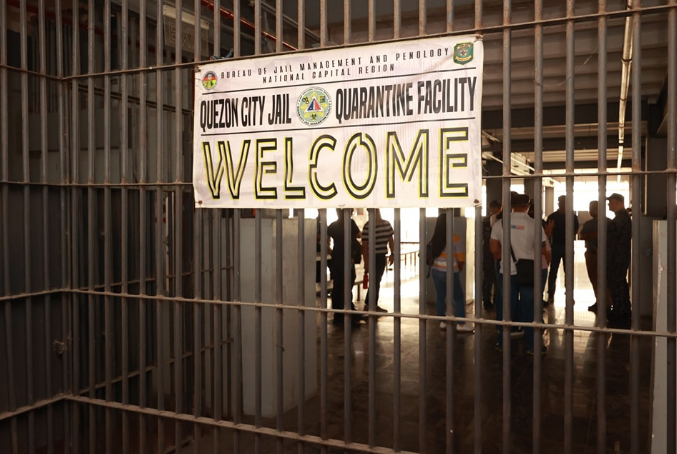
Revilla was transferred to the New Quezon City Jail in Payatas in compliance with the order issued by the Sandiganbayan Third Division, which would litigate criminal charges filed against the former senator over allegations of pocketing millions in public funds intended for flood mitigation projects in Bulacan.

“The former senator’s current detention arrangement sends a dangerous signal: the law bends for the powerful while the poor bear its full force,” reads part of the group’s public statement.

“Revilla’s detention quarters constitute VIP — Very Important Prisoner — treatment in a sea of suffering. This is detention by privilege, not by law. The corrupt are literally cushioned, even provided with mattresses, while the poor and political prisoners endure overcrowded jails in the most inhumane conditions,” Kapatid spokesperson Fides Lim said on Wednesday.

Under the standard health protocols for new detainees, Revilla will undergo a seven-day quarantine. After completion of the quarantine period, only then would Revilla be taken to the detention cell of seven DPWH officials in Mimaropa, who were also put behind bars in connection with an allegedly anomalous flood control project in Oriental Mindoro.

However, such an arrangement doesn’t sit well with Kapatid, insisting that such is in contrast to what it described as “inhumane conditions endured by the majority of persons deprived of liberty (PDL), especially political prisoners and the poor.”

“Across BJMP and Bureau of Corrections facilities, jail congestion routinely exceeds 300 percent, forcing inmates to sleep in shifts, survive on inadequate food and medical care, and endure unsanitary conditions due to lack of running water, compounded by unreasonable restrictions on food brought by families,” the group noted.

“Families and Kapatid often see their pleas for medical transfers or release ignored or denied, even for political prisoners who are seriously ill or have completed their sentences, while others are sent to remote penal colonies that cut them off from legal counsel and family support,” it stressed.

The group called on the BJMP to walk its talk — “BJMP’s statement that no VIP treatment should also be reflected in actual detentions.”

“Equal justice means equal conditions. Revilla and other corrupt accused should be held in the same ordinary, congested cells as everyone else. The fact that they are government officials—and repeat offenders—makes their crime even worse. They should feel the full weight of the law, not enjoy special treatment,” Lim said.

Revilla’s camp has appealed to the Sandiganbayan for his transfer of custody to the Philippine National Police custodial center in Camp Crame.

Nuke Residues Traced At The West PH Sea

0

HIGH TRACES OF iodine 129, an isotope used as an indicator of nuclear activity in seawater, were found at the West Philippine Sea, the University of the Philippines Marine Science Institution (UP-MSI) said.

According to UP-MSI, the nuclear indicator could have come from elsewhere since the Philippines neither operates nuclear power plants, nor does it have the financial capability to buy nuclear weapons.

The UP-MSI suspects the traces of iodine 129 could have been swept to the Philippine waters from the Yellow Sea which is located near Korea and that of the Bohai Gulf off the northern coast of China.

TESTING GROUNDS

Citing historical accounts, both seas are where old nuclear weapons from Europe are tested. It also hosted nuclear fuel reprocessing facilities.

UP-MSI said the concentrations found in the WPS were higher than in any other part of the country, despite the Philippines having no active nuclear power plant or nuclear weapons program, reads part of a report published by the Philippine Star.

The findings are based on an analysis of 119 seawater samples collected from the WPS, the Philippine Rise, the Sulu Sea and other areas across the archipelago.

Researchers found iodine-129 levels in the WPS to be about 1.5 to 1.7 times higher than those recorded in other sampling sites.

POSE NO THREAT

The study was conducted by experts from the Department of Science and Technology-Philippine Nuclear Research Institute, UP-MSI’s Geological Oceanography Laboratory and the University of Tokyo.

The study added that iodine-129 may have reached Philippine waters through ocean circulation systems, particularly the Yellow Sea Coastal Current and the Chinese Coastal Current, though further oceanographic modeling is needed to confirm the transport pathways.

While iodine-129 is radioactive, the researchers said its current levels in the WPS pose no threat to human health or the environment.

RADIOACTIVE WATCH

They also underscored the need to strengthen monitoring and regulation of radioactive materials, especially those that cross national boundaries.

The research was funded by the DOST-National Research Council of the Philippines and the DOST-Philippine Council for Agriculture and Resources Research and Development.

Iodine-129 is a long-lived radioactive isotope, primarily from human nuclear activities, that acts as an environmental tracer for nuclear pollution, water movement and geological processes due to its extreme persistence (millions-year half-life) and mobility, especially in water, making it useful for tracking nuclear releases but also a long-term radiological concern in contaminated areas like groundwater and oceans, often studied via its ratios with stable iodine.

FUNCTIONS, IMPACT

Scientific data showed that iodine 129 acts as environmental tracer since its unique signature from nuclear reprocessing and testing allows scientists to map ocean currents, groundwater flow and dispersal of nuclear contamination over vast distances.

Additionally, iodine 129 is an indicator of nuclear pollution where high levels signal past or present nuclear activities, serving as a marker for radioactive releases from facilities or accidents, as seen in recent West Philippine Sea studies.

While its levels in seawater might not be immediately harmful, its long half-life means it is a persistent contaminant that can accumulate in the thyroid, posing a long-term health risk, especially in contaminated groundwater.

Iodine 129 also participates in natural iodine cycles, influencing atmospheric chemistry and accumulating in marine life, particularly brown algae (kelp). The term used here is biogeochemical cycling.

DREADED SOURCES

Iodine 129 can come from nuclear fuel reprocessing where the isotope is released into the environment; from past atmospheric tests that dispersed it globally; from releases from nuclear accidents at nuclear facilities; and from natural occurrences but in smaller, less significant amounts. 

In essence, Iodine-129 is a persistent “radioactive fingerprint” that helps us understand large-scale environmental transport and monitor nuclear contamination, despite being a long-term radiological concern. 

It has a long half life of 15.7 million years produced by human activity such as nuclear fuel reprocessing, weapons tests, and reactor accidents. Because of its longevity and mobility in water, it is used by scientists as a tracer to map ocean currents and detect nuclear pollution. 

The West Philippine Sea 2026 Trace Detection (2026) was participated by researchers from UP MSI, in collaboration with the DOST-PNRI and the University of Tokyo, detected “unusually high” levels of Iodine-129 in the West Philippine Sea (WPS). 

The source of isotope traces was likely from the Yellow Sea and Bohai Sea in China, where the isotope was deposited from decades-old nuclear reprocessing and weapon tests.

RESEARCH PURPOSES

Scientists emphasized that the levels, while elevated, pose no immediate threat to public health, fisheries, or the marine environment. 

Iodine 129 is used in studies to determine the age of old groundwater.

Also because it lasts millions of years, it is considered a key factor in selecting sites for high-level radioactive waste disposal,  ensuring that waste containers can isolate the material for geological timeframes. 

Stocks Fall as PH Peso Skids Further

0

FOR THE THIRD straight day the Philippine peso closed near its latest record low amid rate cut worries even as the stock market fell even as investors continued to take profits.

The currency ended one and a half centavos weaker at P59.445 to the US dollar near mid-January’s fresh low of P59.46. 

The benchmark Philippine Stock Exchange index (PSEi) shed some 84.92 points or 1.32 percent to close at 6,352.86 while the broader All Shares also fell, by 37.39 points or 1.03 percent, to 3,606.81.

Meanwhile, volume rose to US$1.211 billion from US$1.118 billion previously.

Accordingly, a trader claimed that the local currency’s depreciation remained driven by expectations of a February rate cut by the Bangko Sentral ng Pilipinas (BSP) despite slim chances of a similar move by the Federal Reserve the preceding week.

He explained that “the weakness of the peso might persist in view of potentially upbeat readings on the US gross domestic product (GDP) and  personal consumption expenditure (PCE) inflation later this week, which might solidify views of a prolonged policy hold from the US Central Bank.”

Maybank Investment Banking Group economist Azril Rosli commented that several structural factors were likely to lead to the peso underperforming relative to regional peers, including the flood control project scandal as well as foreign sentiment.

“However, if you look on the positive side, the positive inputs are the offsetting factors, which include the BSP’s more than adequate reserve buffers, providing intervention capacity,” Rosli noted.

“In the near term, some dollar pullback after recent strength may provide temporary relief for the peso and allow it to avoid breaching the P60 level,” he quipped.

Another BOC Official Quits

0

NINE MONTHS into his position as Deputy Commissioner of the Bureau of Customs, Michael Cristobal Fermin resigned from his post supposedly for personal reasons. His replacement has yet to be named.

Fermin, who heads the Internal Administration Group, has left on “personal security issues” since last week and his resignation was accepted by the Commissioner and by Malacanang, said Deputy Chief of Staff Chris Noel Bendijo of Commissioner Ariel Nepomuceno.

In a news which came out in a Manila-based tabloid, a source hinted at a continuing purge within the bureau with no less than Customs Intelligence Service Director Thomas Narcise next in line. Narcise was appointed by President Ferdinand Marcos Jr. in July 2025.

Interestingly, Malacanang has yet to approve the Narcise’s removal. 

INTERNAL PURGE

Just recently, Nepomuceno removed Paul Pacunayen as head of the intelligence in the Port of Manila amid allegations of his supposed involvement in smuggling activities.

Another person removed and placed on floating status in the commissioner’s office was Director Ronnie Principe, who headed the X-Ray Inspection Project.  Principe was replaced by Atty. Rey Roland Bergado, who previously headed the Informal Entry Division at the Manila International Container Port.  

Bendijo said: “There are personal security issues I cannot discuss at the moment. That was the deciding factor for DepCom Mike to resign.”

From being a director, Fermin was promoted last April 2025 to Deputy Commissioner. 

FREQUENT RIGODON

The frequent “rigodon” (reorganization) of personnel within BoC is a persistent strategy to combat entrenched corruption, improve revenue collection, and respond to political directives, but some industry stakeholders describe it as largely politically based. 

Among the reasons behind frequent changes are: 

  • Anti-Corruption Measures to disrupt “tara” (grease money) systems and to prevent familiarity and collusion of officials with brokers and importers. Frequent, sometimes sudden, movements are intended to break up cozy relationships, especially at key ports.
  • Performance Accountability when personnel, including District Collectors, fail to meet assigned revenue targets as the agency faces pressure to meet high revenue goals.
  • Investigation and Discipline– the BoC frequently uses relief and reassignment as a temporary measure against staff involved in illegal activities or “erring” employees, often leading to suspensions or dismissals.
  • Political Directive and Reform– since the bureau is under the guidance of the Department of Finance or the President, reshuffling is often used to implement reform, “clean up” the agency, and increase efficiency, particularly after being flagged for corruption.
  • Preventing “Fixers”– to combat smuggling, the bureau acts against personnel involved in fraudulent practices, such as smuggling illegal drugs or luxury vehicles. 

Though these movements are described as routine, similar to “change oil,” such changes are designed to keep the agency on its toes and ensure continuous, albeit sometimes disruptive, oversight. 

Klook’s Study Shows Places Like Bohol Offer Deeper Connection For Travelers

0

“Lesser-known cities fulfil a different job. They let travelers connect with a destination, inviting travelers to experience the place in a more immersive and unstructured way,” Klook said.

KLOOK, A LEADING pan-regional experiences platform in Asia Pacific, finds from traveler reviews that lesser-known destinations, such as Bohol in the Philippines, offer deeper emotional connection for travelers.

The platform said that lesser-known tourist and travel destinations, based on their study of 374,000 reviews showed that lesser-known cities appear to leave a deeper, longer-lasting impression, extending the joy of travel beyond the trip itself.

“Lesser-known cities fulfil a different job. They let travelers connect with a destination, inviting travelers to experience the place in a more immersive and unstructured way,” Klook said.

Reviews of activities and experiences in lesser-known cities stand out for their vivid storytelling and deeper emotional depth, often revealing more of the reviewer’s personality, voice, and perspective.

According to Klook, on top of describing the things-they-do, travelers reflect on the people they met, the moments that surprised them, and the memories that stayed with them.

Hence, experiences in lesser-known cities appear to leave a deeper, longer-lasting impression, extending the joy of travel beyond the trip itself.

BOHOL AMONG IMMERSIVE 

Klook took a quote from a traveler who went to Bohol to try paddleboarding in Napaling Reef in Panglao.

“We booked a two-person cliff SUP paddle board. There were two instructors for two people. It was super safe, beautiful, fun, and friendly. It was really recommended. I beg everyone to try it. It was so fun that I fainted. I could take a shower after the trip, and they provided clean towels! I plan to learn free diving next time! I recommend it 10,000 times. It is absolutely worth the money!,” the traveler’s quote said.

Other lesser-known travel destinations in the Asia Pacific that offered a more emotional connection based on Klook’s study include Hobart, Australia; Chiang Mai, Thailand; and Phu Quoc, Vietnam.


“We study traveler reviews because they offer a window into what travelers value, and serve as a mirror for Klook to reflect on the quality of our offerings,” said David Liu, Chief Customer Experience Officer, Klook.

“Reviews are especially important for high-value travel experiences, where the cost isn’t just monetary but also time and opportunity,” he added.

Scientists In Singapore Say Smoking, Oral Bacteria, Blood Mutation Increase Stomach Cancer Risk

0

“Gastric cancer is often called a silent killer because it takes hold quietly, long before symptoms appear. What our study shows is that risk does not come from one place—it builds over many years through a complex interplay between ageing, genetic changes, immune shifts and even the bacteria we carry,” said Professor Patrick Tan, Dean at Duke-NUS Medical School and a senior author of the study.

FACTORS SUCH AS smoking and infection by oral bacteria, and genetic and age-related blood mutations, increases the risk for stomach (gastric) cancer.

This was the finding by scientists at Duke-NUS Medical School and the National University Health System (NUHS), and an international team of researchers

Published in Cancer Discovery, the findings provide new insight into the earliest biological changes that precede the development of gastric cancer and could offer more precise approaches for risk stratification and prevention.

“Gastric cancer is often called a silent killer because it takes hold quietly, long before symptoms appear. What our study shows is that risk does not come from one place—it builds over many years through a complex interplay between ageing, genetic changes, immune shifts and even the bacteria we carry,” said Professor Patrick Tan, Dean at Duke-NUS Medical School and a senior author of the study.

Gastric cancer remains one of the world’s deadliest cancers. It is the fifth most common cancer and the fourth leading cause of cancer-related deaths globally, accounting for 769,000 deaths in 2020. In Singapore, it is among the top 10 causes of cancer-related deaths, claiming about 300 lives each year.

Gastric cancer typically develops over many decades, beginning with chronic inflammation in the stomach lining. This can progress to intestinal metaplasia, a condition in which normal stomach cells gradually convert to cells resembling those usually found in the intestines. Over time, these changes may progress to more severe tissue damage and cancer. However, clinicians have limited ability to predict which individuals with intestinal metaplasia are most likely to progress to gastric cancer.

To address this gap, studies were conducted under the Singapore Gastric Cancer Consortium (SGCC), a multidisciplinary national research program comprising clinicians and scientists from various academic medical centers, universities and research institutes working in gastric cancer research and management. 

IDENTIFYNG MUTATED GENES

Using advanced genetic analyses, the researchers identified 47 significantly mutated genes in intestinal metaplasia cells. Mutations in one particular gene, ARID1A, were associated with increased risk of gastric cancer and poorer prognosis. The team also uncovered a distinct pattern of DNA damage, known as SBS17, which was absent in healthy stomach tissue but commonly found in intestinal metaplasia. SBS17 is linked to oxidative stress—a type of cellular damage caused by reactive molecules generated by abnormal metabolism. This damage can be worsened by exposure to tobacco smoking. This finding suggests that oxidative stress may play a critical role in the earliest stages of gastric cancer development.

In another exciting development, the team also discovered that pyrvinium, a drug currently used to treat parasites, had the ability to inhibit the growth of intestinal metaplasia cells. Building on this finding, clinical studies under the SGCC are being planned to explore therapeutic strategies for intestinal metaplasia.

“Our findings open the door to exploring new and more effective treatments such as eliminating specific bacteria, and therapies to inhibit or potentially reverse intestinal metaplasia. These findings also provide insights into which intestinal metaplasia patients are at greatest risk of developing gastric cancer. These can serve as valuable biomarkers to identify the most vulnerable long before the disease strikes, guiding more focused screening to identify those who require closer monitoring,” said Professor Yeoh Khay GuanChief Executive, NUHS and co-senior author of the study.

Emergency Preparedness for Community Safety

0

As part of ongoing efforts to strengthen safety, awareness, and community readiness, a lecture-workshop on emergency preparedness dubbed as “Handa Tayo, Barangay! Usapang Kaligtasan at Emergency” will be held on Saturday, January 31, 2026, at 1:30 PM at the Roxas Gym, Barangay Roxas District, Quezon City.

This activity is a joint initiative of the Philippine College of Occupational Medicine (PCOM) – Quezon City Chapter, the Quezon City Medical Society, and the Gerry Roxas Leadership Awardees, Inc., in close coordination with local barangay leaders, led by Barangay Roxas District Chairman Mary Diane Regalado.

‘The workshop aims to empower community members—especially those in underserved sectors—by sharing practical knowledge and life-saving skills on emergency preparedness.’

The workshop aims to empower community members—especially those in underserved sectors—by sharing practical knowledge and life-saving skills on emergency preparedness.

Doctors Michael Nueros, Neil Salarda, and Marie Glenn Tecson of the PCOM-QC Chapter will lead the session, covering essential topics such as basic first aid, emergency response, and simple preparedness strategies that can make a big difference during disasters and medical emergencies.

Barangay residents, community leaders, and stakeholders are warmly invited to join and take part in this meaningful activity. Building a safer community starts with being informed and prepared.

Barangay Chairman Regalado encourages everyone to be involved in this shared effort, reminding us that “when the community is prepared, lives are protected and keeping our barangay safe.”

Bong Revilla Now Behind Bars

1

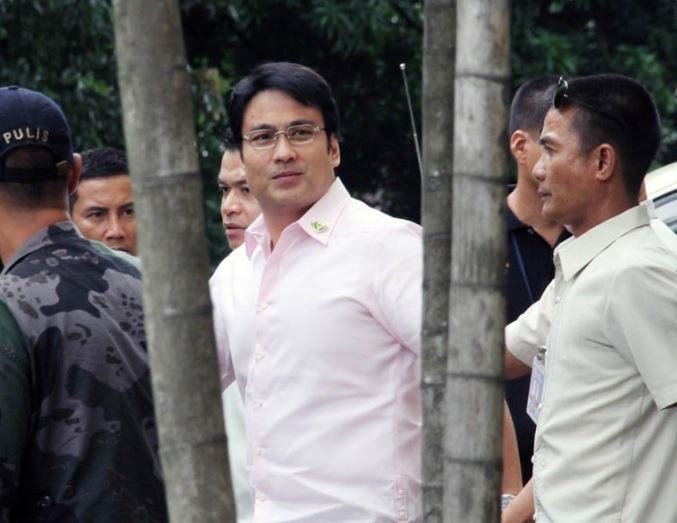
FORMER Senator Bong Revilla doesn’t seem keen on the idea of cops swooping down his Cavite mansion, as he opted to surrender to the Philippine National Police (PNP) moments after receiving a digital copy of an arrest warrant issued by the Sandiganbayan over a P92.8-million ghost flood control project in Pandi, Bulacan.

According to Interior and Local Government Secretary Jonvic Remulla, Revilla, whom he claims to be his longtime friend, went straight to Philippine National Police (PNP) chief Gen. Jose Melencio Nartatez in Camp Crame on Monday night (January 19) to surrender.

The warrant, signed by Sandiganbayan Third Division chairperson Associate Justice Jarl Miranda, was issued for Revilla and several others for malversation and falsification charges. It stated no bail provision for Revilla.

ALL EXCEPT ONE

Aside from Revilla, likewise ordered arrested are former Department of Public Works and Highways (DPWH) assistant district engineer Brice Hernandez, who has been under Senate custody since September 2025. 

Others on the list include former DPWH Bulacan First District Engineering Office (DEO) Engr. Jaypee Mendoza, former DPWH Bulacan First DEO Engr. Arjay Domasig, former DPWH Bulacan First DEO Engr. Emelita Juat, former DPWH Bulacan First DEO finance section chief Juanito Mendoza and DPWH Bulacan First District Engineering Office cashier Christina Pineda.

Except for Juat, whom Remulla claimed has already been spotted and would be arrested soon, all persons covered by the warrant are already under police custody.

CASE INFORMATION

The charges for which the arrest warrants were issued are related to a P92.8-million flood control project in Pandi, Bulacan, “which turned out to be a ghost or non-existent project,” says the charge sheet filed by Ombudsman prosecutors.

According to the state prosecutors, Revilla, in connivance with the DPWH engineers, took a cut worth P76.9 million from the contractor. “Less than 3% of the contract price was retained,” reads part of the charge sheet.

Based on the case information, it was Revilla who “caused or facilitated the inclusion” of the Pandi project in the 2025 national budget. 

The anti-graft court also alleged that the former senator received through then-public works undersecretary Roberto Bernardo a significant percentage of the funds allotted for the project as “commission.” 

The contractor for the Pandi project is SYMS Construction, whose owner Sally Santos is set to testify against Revilla following the approval of her application as state witness.

QUEZON CITY JAIL

The Sandiganbayan on Tuesday morning ordered the temporary detention of the former senator at the Quezon City Jail Male Dormitory in Barangay Payatas.

Miranda justified the court’s decision by citing the letter of PNP chief Nartatez cautioning the anti-graft court from further ordering the detention of persons deprived of liberty inside the PNP Custodial Center in Camp Crame.

The PNP Custodial Center is a facility where suspected terrorists, suspects most likely to escape, and suspects charged with heinous crimes are detained, making the addition of a high-risk detainee like Revilla “a burden on the part of the PNP.” 

Revilla’s detention, however, is temporary since his camp filed a motion for him to be detained at the PNP Custodial Center. Hearing on Revilla’s motion is set on Friday, January 23.

PORK BARREL SCAM

Revilla is no stranger to the jail environment though. He spent four years (from 2014 60 2018) behind bars over a plunder charge related to the infamous pork barrel scam. 

In 2018, he was discharged from detention after being acquitted and cleared of other related criminal charges. His acquittal however had a condition — that he should return the P124 million loot that was deposited in his bank account — which he has yet to comply with, to date.

He was subsequently reelected to the Senate in 2019 for another six-year term, but lost in the 2025 polls.

Severe Penalty For Crocs In Congress 

0

FOR THE MARCOS administration to win its war against an embedded culture of corruption, the government should seriously consider the idea of imposing stiffer penalties and sweeping reforms, says former Senate President Franklin Drilon.

Speaking on ANC’s Headstart, Drilon called on the Senate Blue Ribbon Committee to translate its investigation into concrete policy and legislative recommendations, particularly in response to alleged irregularities involving unprogrammed appropriations and flood control projects.

Drilon said one key reform would be to include harsher punishment for elected officials found guilty of corruption. “I would strongly suggest that the maximum penalty should be imposed on any legislator who is found to have committed such anomalies,” Drilon was quoted as saying.

“In other words, you impose the maximum penalty so that it is a policy pronouncement that indeed, those who violated public trust and their mandate should be more liable or should be punished more than the ordinary bureaucrat.”

ZERO INCLUSIONS

Drilon also proposed to prohibit the inclusion of unprogrammed appropriations in the national budget, which is the source of much of the abuses. 

“I would propose that Blue Ribbon recommend legislation which would prohibit the inclusion of unprogrammed allocation in the budget, because this is the subject of the abuse,” he added.

“All of these things that we see today is because the congressmen and the senators included the provision on program appropriation, and what had happened was that this was taken advantage of to fund the mess in the flood control,” Drilon noted.

PRESIDENT’S CALL

Even without new legislation, Drilon said the President has the power to act immediately by withholding the release of unprogrammed funds until there is an actual surplus in the overall national budget. 

“That he can announce as a matter of policy, because in the 2026 General Appropriations Act, there are still unprogrammed appropriations,” he said.

He also pointed to the scale of ongoing investigations, noting reports that the Department of Justice is probing 421 flood control projects. Drilon described the task as “gargantuan.” To address this, he said the Office of the Ombudsman should be allowed to enlist additional legal support.

“I would strongly suggest that the Blue Ribbon Report include a recommendation that the Ombudsman be authorized to hire private lawyers for this particular, for such cases, as may be appropriate,” the former justice secretary said.

POLITICAL DYNASTY 

Drilon also called for clarifying the Ombudsman’s authority over legislators and the passage of an anti-political dynasty law.

“The exemption from prosecution should be limited only to speeches delivered in the chambers, not to other matters,” he said, warning that a broader interpretation could create the perception that legislators are above the law.

“The Ombudsman should have jurisdiction over legislators, because the exemption from prosecution should be limited only to speeches delivered in the chambers, not to other matters. Otherwise, it can be interpreted that the legislators are above the law. So I would suggest that legislation be passed among those lines,” Drilon quipped.

BFP Breeds Graft, P15B Kickback Exposed

0

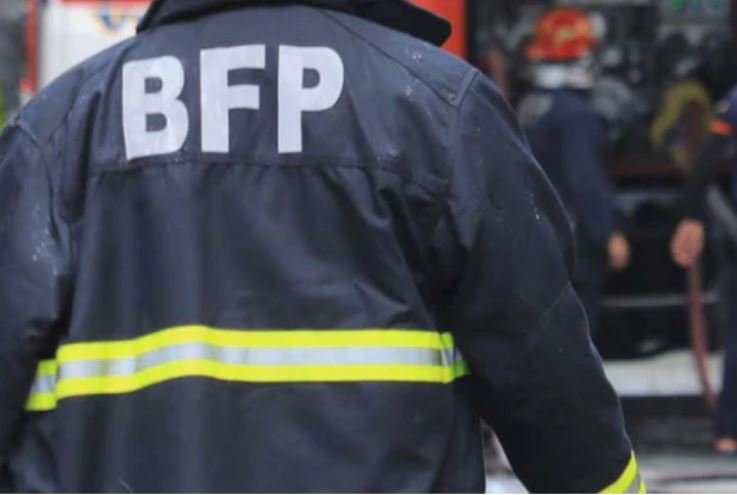
FIREFIGHTERS are supposed to put off destructive flames. But from how it looks, the country’s Bureau of Fire Protection (BFP) miserably failed to prevent a smoke from developing into a full blown institutional disaster.

This comes as the Department of Interior and Local Government (DILG) sought the dismissal of BFP chief Jesus Fernandez amid alleged involvement in a lucrative scheme amounting to P15 billion annually.

The DILG earlier commenced a probe involving 20 senior BFP officials over alleged ‘kickbacks’ embarking on rigged bidding, overpriced fire safety equipment and forced purchases tied to fire safety inspection certificates. 

According to DILG Secretary Jonvic Remulla, Fernandez seemed aware of the dubious schemes and billion-peso anomalies within the bureau.

The Philippine National Police — through the Criminal Investigation and Detection Group (CIDG) is investigating alleged anomalies, with a full report expected to be released soon and subsequent charges set to be filed before the Office of the Ombudsman.

Remulla described the investigation as “deep-seated” with preliminary findings indicating annual kickbacks exceeding P15 billion reportedly rooted to spurious bidding, procurement and harassment in the issuance of fire safety inspection certificates. 

Specific cases of irregularities that were uncovered in the probe include overpriced fire extinguishers linked to supplier collusion and a P30-million under-the-table deal in Quezon City.

The investigation covers BFP transactions in the last five years.

Social Mastery: The Subtle Power

REMEMBER THAT TIME a room was buzzing, everyone talking over each other, energy thick and tense… then someone walks in and suddenly it feels calm, light, pleasant? You don’t know why. You just feel it.

The Back Story

That moment? That’s social mastery.

It’s not about saying the right thing. Not about being loud. Not about showing off.

  • It’s about reading the energy, staying calm, and helping people feel safe without trying to impress.

Your presence becomes a subtle force that others notice—even if they don’t realize why.

Spot the Energy

It starts with awareness. Notice the energy, tone, pauses, and body language around you.

Situation: a team meeting. Deadlines missed. Everyone’s frustrated. Most dive into blame or panic.

A socially masterful person pauses. Smiles. And asks a simple, calming question:

  • “Okay, what’s one thing we can do right now to make this easier?”

Pause. Notice the energy. Ask one question that shifts focus from blame to solutions.

Suddenly, tension softens. People lean in. Ideas start flowing. The room feels manageable again.

TIP: Read the energy first—then guide it somewhere better.

Keep Your Cool

You can’t lift others if you’re storming inside. Your energy spreads to everyone.

Situation: at dinner, a heated topic comes up. Most people tense. Your chest tightens. You feel the urge to snap.

Instead, breathe. Respond calmly: 

  • “Interesting point. I see where you’re coming from.”

Notice your own reaction first. Then speak. Calm beats heat every time.

Result? The table relaxes. Voices soften. The night stays enjoyable. You just handled the energy without drama.

TIP: Calm self-control quietly sets the tone for everyone else.

Lift Others

The quiet power lies in giving space for others to shine.

Situation: networking event. Strangers clustered, unsure what to say.

  • You walk up, smile, ask a curious question, and genuinely listen. 
  • Suddenly, people are laughing, chatting, connecting.

Focus on curiosity and listening—your presence matters more than your words.

This is where social mastery feels almost magical. You don’t dominate, but you influence. You create safety. People leave thinking, 

  • “Wow… I like being around them.”

TIP: When people feel safe, connection happens naturally.

Small Wins, Big Impact

Social mastery isn’t just for big moments. Small moments count:

  • Waiting in line? Make a stranger smile.
    Tiny acts of kindness ripple farther than you think.
  • Group chat tense? Drop a calm, thoughtful comment.
    One simple message can stop drama before it spreads.
  • Spot a stressed teammate? Offer quiet support.
    Being present and noticing matters more than fixing.

Little actions add up. People notice your energy, enjoy your presence, and trust your judgment.

TIP: Small actions shape how people feel more than big words ever will.

Your Challenge

Social mastery isn’t flashy. It’s quiet, subtle, consistent. 

  • Practiced daily, it changes rooms, relationships, and lives.

Today, notice the energy around you. Pause before reacting. Listen more. Offer space. Make someone feel safe.

People may not notice what you do—but they feel it.

Remember: Choose subtle power, not performance.

Sandigan: Put Bong Revilla Behind Bars

0

LOVE IS SWEETER the second time around. But not for former Senator Ramon “Bong” Revilla, who is likely headed to the same secluded fortress far from the luxury he’s used to.

This comes as Sandiganbayan issued on Monday a warrant for the arrest of Revilla over a malversation charge over the P76.9-million flood control project in Pandi, Bulacan, “which turned out to be a ghost or non-existent project.” 

The warrant, which was signed by Sandiganbayan Third Division chairperson Associate Justice Karl Miranda, states “no bail is recommended.”

Aside from Revilla, likewise ordered arrested are former Department of Public Works and Highways (DPWH) assistant district engineer Brice Hernandez, who has been under Senate custody since September 2025. 

Also named respondents were former DPWH Bulacan First District Engineering Office (DEO) Engr. Jaypee Mendoza, former DPWH Bulacan First DEO Engr. Arjay Domasig, former DPWH Bulacan First DEO Engr. Emelita Juat, former DPWH Bulacan First DEO finance section chief Juanito Mendoza and DPWH Bulacan First District Engineering Office cashier Christina Pineda.

ARCHITECT REVILLA

According to the Sandiganbayan, it was Revilla who “facilitated the inclusion” of the Pandi project in the 2025 national budget.

The anti-graft court also alleged that the former senator received through then-public works undersecretary Roberto Bernardo a significant percentage of the funds allotted for the project as “commission.”

The contractor for the Pandi project is SYMS Construction, whose owner Sally Santos admitted lending her license to engineers of the DPWH’s Bulacan 1st District Engineering Office. 

Interestingly, Santos is set to testify against Revilla following the approval of her application as state witness.

PORK BARREL SCAM

Revilla is no stranger to the jail environment though. He spent four years (from 2014 60 2018) behind bars over a plunder charge related to the infamous pork barrel scam. 

In 2018, he was discharged from detention after being acquitted and cleared of other related criminal charges. His acquittal however had a condition — that he should return the P124 million loot that was deposited in his bank account — which he has yet to comply with, to date.

He was subsequently reelected to the Senate in 2019 for another six-year term, but lost in the 2025 polls.

Marcos Impeach Bid, A Calculated Risk?

0

THE INTERNET IS AFIRE over the first impeachment case filed versus a sitting president with social media users, obviously from the ranks of Vice President Sara Duterte wishing and praying that the case would foster although they also doubt its outcome from a solid majority of pork-pampered supporters of President Ferdinand R. Marcos Jr. at the lower house.

Those who expressed their sentiment on Facebook were relieved that finally Marcos’ sins were exposed in public through the filed complaint. But they voiced their nagging uneasiness that the case against Marcos is just a strategy or ploy by those sympathetic to the administration – to grant him one year immunity from impeachment– should it follow the dismissal path of previous impeachment cases versus VP Duterte’s that were suspended based on procedural and substance flaws.

Some even called it “pakana ng administration” as some of the grounds cited for impeachment do not follow those stipulated in the Constitution as grounds for impeachment.

CREDIBILITY MATTERS

The more discerning commenters doubted the credibility of impeachment endorser, a discredited ‘congtractor’– Jett Nisay, a Pusong Pinoy representative, who was among the 215 lawmakers who signed the impeachment versus VP Duterte in February 2025.

The complaint, filed by lawyer Andre de Jesus, alleged that Marcos “compromised national sovereignty and constitutional order” by “surrendering” his predecessor Rodrigo Duterte to the International Criminal Court based in the Hague. The complaint said Marcos’ action was tantamount to violation of the Constitution and betrayal of public trust.

The Philippines under Duterte withdrew from the Rome Statute in 2019, but the ICC’s jurisdiction covered crimes committed while the country was still a party to the Statute. 

Duterte was charged with crimes against humanity over his bloody drug war when he was Davao City’s mayor and later Philippine president.

DUTERTE KIDNAPPED

While the Philippines under Marcos maintained it had no obligation to cooperate with the ICC, Duterte was still successfully brought to The Hague in March 2025 because the international tribunal tapped the Interpol, to which the Philippines is a member, to help arrest Duterte.

Duterte’s supporters have long branded the arrest of Duterte as “kidnapping,” an argument that was echoed in the petition, Rappler reported.

“The arrest and transfer were carried out despite the continued operation of Philippine courts, proving that Respondent deliberately resorted to foreign intervention and completely ignored domestic legal processes,” the complaint read.

MARCOS’ DRUG USE

Another ground cited in the complaint was Marcos’ alleged drug use, a longstanding claim by diehard Duterte supporters.

The former president was among the first to  expose Marcos’ drug use in January 2024, more than a year before his eventual arrest. The petition also heavily cited the statement made by Marcos’ sister Senator Imee, last November during a rally of the Iglesia ni Cristo that her brother and the First Family are drug addicts, which the palace had repeatedly denied.

The complaint, however, said that “respondent’s refusal to submit to a drug test conclusively demonstrates his disregard for transparency and accountability. An innocent President would have no reason to refuse testing,” the petition read.

FLOODGATE SCANDAL

The case also pointed to Marcos over the flood control scandal  fiasco and budget insertions that he condoned.

Marcos’ failure to veto unprogrammed appropriations in the national budget, which served as a magnet for corruption due to the lack of transparency on how these funds were disbursed, was another ground.

The complaint essentially put weight on assertions made by ex- congressman Elizaldy Co (former chair of the House Appropriations Committee, now hiding from justice) and Co’s alleged former security aide, Orly Guteza, that implicated Marcos and his close allies to the alleged public works kickback scheme.

“Respondent orchestrated the insertion of massive amounts into the General Appropriations Act to create a pool of funds for kickbacks – a scheme publicly exposed and widely discussed, leaving no room for denial,” the complaint said.

ICI JUST A DEECOY

It alleged that Marcos’ creation of the Independent Commission for Infrastructure (ICI) was meant to shield allies. Incidentally, Nisay is included in the list of legislators that the ICI and the Department of Public Works and Highways (DPWH) submitted to the Ombudsman for the filing of plunder and graft cases. 

Nisay owns JVN Construction and Trading, a public works contractor that has bagged at least P73 million in contracts in 2021 and 2022, before he was elected to Congress.

Nisay was a member of 11 committees in the 19th Congress, including two of which he was the vice chair, namely agriculture and sports, and youth and sports development.

In his second term, Nisay moved to the minority and is currently serving as deputy minority leader for the 20th Congress. The position gives him ex-officio membership to and voting powers in all committees, Rappler said.

LAWYER COMPLAINANT

Complaint filer, lawyer Andre de Jesus, was described by Politiko as “from defender to complainant” as he was said to also have defended First Lady Liza Araneta-Marcos based on a statement of Caloocan City Rep. Edgar Erice, House Senior Deputy Minority leader.  

Erice said the “impeachment complaint filed by Atty. Andre de Jesus can be easily dismissed, as it lacks form and substance.”

“It is strange that de Jesus filed the complaint against BBM when he is the same lawyer who defended FL Lisa Marcos in November  2024 when he filed a disbarment case against Atty. Glen Chong for vilifying the First Lady,” Erice said.

“From defender to complainant,” Erice added.

It was Erice who announced that this February the House would be busy attending to two impeachment complaints versus the two top officials of the land– Marcos and Duterte.align any religion, ethnic group, club, organization, company, individual or anyone or anything.

AWOL Bato, Guilty!

0

FROM NOVEMBER 11, 2025 until today, the Hague-based International Criminal Court (ICC) jailbird Rodrigo Roa Duterte’s chief enforcer of the “War on Drugs” 30,000 killing spree, Sen. Bato de la Rosa, hasnot been reporting for duty in the Senate Hall. He has been hiding from the public view, or more specifically, from the law enforcement authorities, since then DOJ secretary Jesus Crispin Remulla said that the ICC had issued an arrest warrant for his primary role in the ICC jailbird’s bloody “War on Drugs” campaign. He has been hiding and unwilling to confront the charges against him. This only shows or proves that he admits being unable to defend himself as innocent of the charges in a court of law, aware that he is guilty. His absence in the Senate is clearly a betrayal of his oath of office, being remiss in his official duty as a senator, a dereliction of duty, pure and simple.

Since his absence in the Senate Hall where the Filipino people expect him to be working as a government employee, he should have been sanctioned by the Senate leadership. His monthly salary of about P334,059 plus other allowances should not have been given, starting the following month of non-performance, having been on absence without official leave (AWOL). “No work, no pay” should be applied to him, as a matter of basic fairness, as in the case of an employee who has not officially filed a formal request for leave of absence.

That he has gone into hiding only shows how disrespectful he has always been to the Filipino people. From the time ICC jailbird Rodrigo made him Davao City Chief of Police, Sen. Bato has faithfully followed his boss’ heartless character of treating people like dirt, especially poor Filipinos. In fact, poor people, althoughsuspected of committing only petty crimes, in his view, were worth killing! As senator, whenever he appears in public, especially on TV, he tends to be in boastful mood, extremely proud of his bloody accomplishmentsin the past. Now, that he’s aware that he may soon follow his boss Rodrigo’s shameful steps to being jailed in a foreign country, the Netherlands, Senator Bato de la Rosa has made himself invisible, probably shaking in fear, many times during the day, wherever he might be. The families of his EJK victims, who are now aware of Sen. Bato’s predicament, probably cannot help but recall how they also were shaking in fear right after witnessing the merciless killings of their kins by Bato’s policemen.

Senate President Tito Sotto has tried to reach out to hisfugitive colleague to report for work, but no success so far. It looks like Sen. Bato is able to hide, avoid working as senator and evade joining his idol, ICC jailbird Rodrigo, because he is happily protected by the Dutertes, DDS fanatics, his relatives, personal friends, cronies, thousands of his DDS supporters, and perhaps, his fans among the senators and congressmen. The people are wondering if President Bongbong Marcos is doing something about the case of the missing senator. Or is he just leaving the issue to his erstwhile partner, VP Sara Duterte? Of course, the president is aware that VP Sara Duterte has also not been working as she should. Faced with being impeached for her violation of the Constitution and betrayal of public trust,etc, she has been absent from work much longer, since she broke her UNITEAM bond with President Bongbong Marcos.

The people are hoping the murderer will soon meet Lady Justice, especially for his EJK victims’ families.  

Atong Ang Fled Before Warrant Came Out

2

THE NOTORIOUSLY FAMOUS gaming tycoon behind the abduction and death of over 100 “missing sabungeros” is already out of the country, claims whistleblower Julie Patidongan.

In a radio interview, Patidongan, who has previously admitted working for Ang for the longest time, said that his former boss left the country as early as December last year. 

He however clarified that what he had just squealed is just his own belief.

“No one told me that, but for me, I believe that is what he will do,” Patidongan was quoted as saying.

TRUSTING NO ONE

He likewise confirmed that Ang has quite a number of properties across the archipelago where he  could hide — but insisted that his former boss is not the type who would put himself at risk.  

Despite reported links with former and present government officials, won’t ask help from those people to cover up his hiding because he doesn’t share his personal secrets to anyone.

“For me, Mr. Atong Ang can look after himself and will not look for help from others… If he will do that, that’s his own secret. If he is still in the country, he may be hiding in a property in one of the exclusive subdivisions he owns,” he noted.

INTERPOL NOTICE

Ang is facing criminal cases with no bail provisions — 15 counts of kidnapping and serious illegal detention and four counts of kidnapping with homicide.

The Philippine National Police – Criminal Investigation and Detection Group (PNP-CIDG) recently said that an International Criminal Police Organization (Interpol) red notice, or a request to locate and “provisionally arrest” a person pending legal action, has been requested for Ang. 

Aside from Ang, 21 others were indicted by the Department of Justice (DOJ) in December 2025 over the case of “missing sabungeros.” 

The DOJ based its indictment from the testimonies of Julie, and his brother Ellakim, who served as close-in securities of the businessman. 

MONETARY BOUNTY

The Department of Interior and Local Government (DILG) earlier offered a P10 million reward for any information that will lead to the arrest of Ang.

More than the bounty, DILG Secretary Jonvic Remulla likewise gave Ang a notorious tag — No. 1 most wanted person in the country.

When asked as to where the reward money would come from, Remulla didn’t provide a categorical answer. He claimed that funds were “pooled.”

“Any information leading to the conclusive arrest of Atong Ang will merit a P10-million reward, no questions asked,” Remulla told a news briefing in Quezon City.

POLICE COHORTS

As most of Ang’s accomplices are police officers, the National Police Commission (Napolcom) announced that 11 PNP members whose names were included in the indictment list have already been dismissed from service.

The basis — alleged involvement in the disappearance of the sabungeros, based on the sworn statement of Julie himself.

Administrative complaints were previously filed against Ang’s uniformed cohorts.

Bonoan Is Back, Ready To Tell All?

0

THE MAN AT the helm of the graft-ridden Department of Public Works and Highways (DPWH) is back — and reportedly keen on the idea of “spilling the beans” when the Senate Blue Ribbon Committee resumes the congressional investigation over the so-called flood control scandal.

According to the Bureau of Immigrations, former DPWH Secretary Manuel Bonoan arrived Sunday morning (January 18) at the Ninoy Aquino International Airport (NAIA) Terminal 3 following his trip to the United States.

From the US, Bonoan flew to Taipei from where he took China Airlines flight CI0701 bound for Manila. He reportedly alighted the plane without a companion.

SIGNIFICANT FIGURE

Bonoan, who has been dragged into the flood control scandal, left on November 11, 2025 to accompany his wife for a medical procedure in the US.

He however failed to return on December 17, for which Ombudsman Jesus Crispin Remulla hinted at the possibility of the Philippine government requesting its American counterpart to consider the idea of deporting Bonoan.

Bonoan’s name formed part of the BI’s lookout bulletin order in connection with his alleged involvement in flood control corruption during his tenure as DPWH chief.

TIES TO CONTRACTORS

Sometime in September 2025, Bonoan was implicated in the anomalous flood control projects amid ties to several infrastructure contractors, including one company owned by his daughter’s business partner.

The Independent Commission for Infrastructure in November recommended the filing of multiple criminal complaints against Bonoan.

BI Commissioner Joel Anthony Viado said they have forwarded information surrounding Bonoan’s return to the Department of Justice.

SENATE HEARING 

The Senate Blue Ribbon Committee led by Senate President Pro Tempore Panfilo Lacson will resume its hearing on the flood control scam on Monday (January 19).

Lacson has yet to issue a statement as to whether or not Bonoan would appear in the “congressional investigation in aid of legislation.”