IBM and Scuderia Ferrari HP recently introduced a newly reimagined mobile app experience designed to bring the passionate global fanbase of nearly 400 million “Tifosi” or Ferrari race fans closer than ever to cars, drivers and races they love, particulary Formula One.
“IBM and Ferrari are bound by a shared commitment to progress, innovation and excellence,” said Jonathan Adashek, Senior Vice President of Marketing and Communications at IBM. “With AI (artificial intelligence), we’re creating a new blueprint for digital fan engagement that brings fans even closer to Scuderia Ferrari whether it’s race weekend or not.
“This app is about bringing all our fans closer to the heart of the racing world of Ferrari,” said Lorenzo Giorgetti, Chief Racing Revenue Officer, Ferrari. “With IBM’s cutting-edge AI technology and our shared commitment to innovation and excellence, we are creating a digital experience worthy of the Ferrari name.”
Now available in English and – for the first time – Italian, the app includes an all-new Race Centre and Racing Insights built with IBM watsonx delivering a more immersive experience. These artificial intelligence-powered features aim to bring fans even closer to all the Scuderia Ferrari HP action from race weekend and include:
AI-generated race summaries: Post-race recaps of the Scuderia Ferrari HP team’s performance that are available within hours of a race’s conclusion. Using LLMs on watsonx, the team’s complex race data is transformed into compelling narratives that include reflections from the Scuderia Ferrari HP drivers and team principal.
Post-race insights and data visualizations: Dynamic visuals, created from technologies on watsonx, that allow fans to interact with and see post-race driver and car data including telemetry, weather, track conditions, session results, car and tire strategies.
Historical driver and team insights: Analysis that provides fans with comparisons of key 2025 race moments to past Scuderia Ferrari HP race milestones including car, driver and track moments. These insights are generated by LLMs on watsonx, including IBM Granite, and are embedded within the AI-generated race summaries and other Scuderia Ferrari HP content.
Alongside Race Center, IBM and Scuderia Ferrari have launched new app features designed to deliver fans personalized and interactive fan experiences year-round — 24/7, 365 days a year.
IBM and Scuderia Ferrari said they will continue rolling out new app features throughout 2025 to make the racing season even more exciting. By combining data and AI technologies with the team’s vast amounts of current and historical data, IBM and Scuderia Ferrari are working to reimagine the digital fan experience in ways that deepen the connection between Tifosi, F1 fans, and the world’s most renowned F1 racing team.
Almost every Mazda model has been named in the updated list of recommended new and used vehicles for teens, according to the Insurance Institute for Highway Safety (IIHS) and Consumer Reports (CR) in the United States.
“The most dated car in the driveway may not be the best choice for your teen,” said Mazda North American Operations Director of Vehicle Safety Strategy Jennifer Morrison. “But good news, there are plenty of new and used Mazda vehicles that are both affordable and loaded with safety tech according to this updated list. Mazda is proud to have vehicles in nearly every category to choose from.”
IIHS and CR have jointly produced the list of recommended vehicles for teens since 2020 with the intention of helping families prioritize safety without breaking their budgets. Teen drivers are already at heightened risk because of inexperience and immaturity, so vehicle choice is particularly important for this demographic.
Both new and used vehicles on the list have average or better scores (3 out of 5) from CR for braking and for emergency and routine handling. They also have usability scores for controls and displays of at least 2 out of 5, meaning the vehicles with the most confusing and distracting setups are excluded. All have standard electronic stability control.
When it comes to protection in crashes, all recommended used vehicles have good ratings in five IIHS tests: original moderate overlap front, original side, driver-side small overlap front, roof strength and head restraints. The recommended new vehicles are winners of the 2025 IIHS Top Safety Pick or Top Safety Pick+award, which means they excel in the Institute’s newer, more challenging crash tests. They also have standard good or acceptable headlights and standard, good-rated seat belt reminders, and high-performing automatic emergency braking. The last feature, however, may not be offered in a some of Mazda’s markets.
“Having a teen driver myself, I find peace of mind knowing they are behind the wheel of a vehicle with top safety ratings and systems like automatic emergency braking and seat belt reminders,” said Morrison. “These are standard features on new and used Mazda vehicles because they have been proven to reduce crashes and mitigate injuries. A benefit I’m happy to provide to my teen, and yours.”
POINTING TO POTENTIAL risks to the maritime sector triggered by the creation of a Centralized Ticketing System (CTS) for domestic roll-on/roll-Off (RORO) and passenger ships, the Philippine Inter-island Shipping Association (PISA) has formally requested the Department of Transportation (DoTr) to revoke Philippine Ports Authority (PPA) Administrative Order 12-2019, which mandates the new ticketing system.
In a letter to Transportation Secretary Vivencio Dizon, PISA argued that the PPA order not only exceeds the legal scope of the agency’s powers but also introduces economic and operational risks that could adversely impact the maritime sector.
UNNECESSARY DISRUPTIONS
Representing the country’s leading domestic shipping companies, PISA, claimed that the implementation of the CTS would create unnecessary costs, disrupt operations, and inject uncertainty into an already challenging business environment.
“By centralizing ticketing under the government’s control, the PPA will severely disrupt an already functioning system and force companies to abandon their investments in their own booking platforms, which will certainly result in additional costs, inefficiencies, and business uncertainty,” according to the letter signed by PISA president Mark Matthew Parco and the association’s executive director Atty. Pedro Aguilar.
They both asserted that the centralized ticketing system is redundant, given that many shipping companies already have efficient online ticketing platforms in place even as they focused on systems, such as Barkota, which are well-established and serve the needs of the sector without the interference of a government-mandated system.
FINANCIAL BURDEN
Parco and Aguilar also cited the financial burden associated with the CTS, which is expected to cost nearly ₱500 million, which PISA suggests, could be better utilized for improving port infrastructure, which would have a more direct impact on the quality of service provided to passengers and the efficiency of the industry.
“The centralization of ticketing through a government-run system raises concerns about undue interference in the private sector. Unlike land and air transport, where private entities manage their own ticketing operations, the maritime industry would face unprecedented levels of government control. This could lead to inefficiencies, particularly in times of technical failure or cyberattacks, as the system would become a single point of failure, affecting the entire shipping industry,” Parco pointed out.
“Moreover, (we have already) expressed concerns over the lack of clear safeguards for data privacy under the CTS, exposing sensitive passenger information to the risk of breaches or misuse,” he added while stressing that the CTS would undermine the autonomy of shipping companies, forcing them to bear the operational costs and responsibilities, such as handling refunds, while the PPA would collect all fares and fees.
According to Aguilar, this creates what PISA deems is an “unfair” and “confiscatory” financial arrangement that will add to the economic strain on shipping operators.
[T]he domestic shipping industry contributes roughly 1.5 to 2 percent of the country’s GDP and supports direct employment of over 100,000 workers, including seafarers, port workers and auxiliary staff…
OPERATIONAL ISSUES
Aguilar warned that PPA’s CTS does not address key operational issues, such as scalping or overloading, which the association contends are better handled through security measures and vessel inspections and not a centralized ticketing system.
Instinctively, he noted that the PPA’s mandate to regulate ticketing and fare collection falls outside the authority granted to it by its charter, Presidential Decree 857.
“Its Charter does not empower the PPA to regulate the processing, booking, or collection of payments from passengers in as much as the PPA’s corporate authority is strictly limited to port operations and logistics, such as berthing, mooring, towing, docking, cargo handling, and warehousing. There is no mention of ticketing, fare collection, or any authority over the financial transactions between shipping operators and passengers,” Parco interjected to clarify.
“The PPA’s powers are limited to port operations and do not extend to regulating private business transactions like ticketing. (Thus) the order violates the constitutional protection against laws that impair contractual obligations, particularly impacting the existing agreements between shipping companies and their ticketing providers,” he contended.
In light of these concerns, PISA is now calling for the immediate abrogation, annulment or recall of PPA AO No. 12-2019 even as it emphasized the importance of focusing government efforts on enhancing port infrastructure and addressing the genuine needs of the maritime industry instead of imposing unnecessary, costly, and intrusive measures.
“As the Philippines is an archipelago of over 7,600 islands, domestic shipping is the backbone of inter-island connectivity for people and goods,” PISA reminded.
Government records show that domestic shipping carries over 90 percent of the country’s inter-island cargo volume, with passenger volume reaching tens of millions annually (over 30 million passengers per year pre-pandemic).
Based on latest statistics, the domestic shipping industry contributes roughly 1.5 to 2 percent of the country’s gross domestic product (GDP) and supports direct employment of over 100,000 workers, including seafarers, port workers and auxiliary staff and indirectly millions more through logistics, trade, tourism and micro, small and medium enterprises (MSMEs) dependent on shipping.
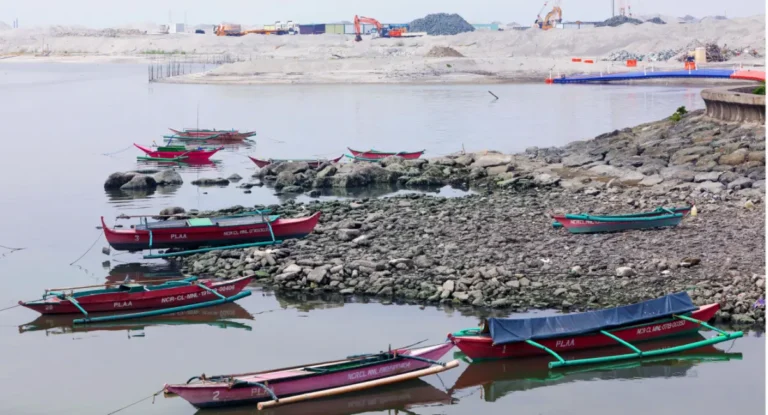
AS EARLY AS October 2023, Senator Cynthia Villar, chair of the natural resources, environment and climate change committee, warned that Manila Bay faces peril from reclamation projects that disrupt water flow, trap pollutants and negatively impact fisheries, ecosystems and biodiversity, potentially leading to public health issues and economic disruption.
But it’s only now that the Department of Environment and Natural Resources said it would tighten the rules on issuing environmental compliance certificates (ECC) following the release of the Manila Bay Cumulative Impact Assessment (CIA) result that revealed severe environmental threats, the Philippine News Agency reported.
Results of the impact assessment presented at the DENR central office, Environment Secretary Maria Antonia Yulo Loyzaga said Manila Bay’s case will be continuously reviewed to include all ECCs and area clearances issued and those still being applied for with local governments to determine if concerns that have emerged from the assessment have already been addressed.
“There is in the ECC a section that will allow us to modify any approval that has been granted, and we take that section very seriously in light of the results of the CIA Phase 1,” Loyzaga said.
PRESSURE ON THE ENVIRONMENT
The CIA, conducted by the Marine Environment and Resources Foundation (MERF), showed that the ecosystem of the Manila Bay is still alive and vibrant but it also revealed that the 21 proposed and ongoing reclamation projects in Greater Metro Manila could threaten marine ecosystems and fishermen’s livelihood, and worsen flooding in urban centers.
The CIA said the proposed reclamation projects, though they will create 6,166 hectares of new lands, are projected to create pressure on the environment equivalent to nearly four new central business districts (CBDs).
Their impact on water quality can significantly disrupt the natural circulation of water in the Manila Bay, causing water stagnation and altering currents, which could lead to increased flooding in Metro Manila and nearby provinces.
“Reclamation doesn’t just affect the area. It also worsens flooding on land, especially in low-lying areas,” Charina Lyn Repollo, MERF Deputy Director for Research, said in her presentation of the assessment result.
WATER WILL FLOW
Repollo said that in low-lying areas of Metro Manila, reclamation may relieve the flashing of flood water and increase both coastal and inland flooding, most especially during heavy rains or typhoons when timely drainage is difficult.
“By blocking the natural path for water to flow out into the bay, these reclamation projects would have deeper, longer-lasting and more damaging impact, putting communities, infrastructure, and lives at greater risk,” she added.
The report also showed that the projected buildup of nutrients, sediments, and pollutants, aggravated by blocked circulation, will worsen hypoxia or oxygen depletion, which would harm aquatic life and increase the likelihood of harmful algal blooms (HABs) that cause shellfish poisoning.
[I] n low-lying areas of Metro Manila, reclamation may relieve the flashing of flood water and increase both coastal and inland flooding, most especially during heavy rains or typhoons when timely drainage is difficult.
DIRECT RISKS TO MEN
On public health, the degraded water conditions also pose direct risks to human health, and may cause an increase in gastroenteritis, skin diseases, and respiratory infections, especially among coastal populations.
The MERF reports show that the construction of large coastal structures and alterations to the coastline weaken water movement, resulting in stagnation and the buildup of sediments, pollutants, and debris in specific areas.
The impact on fisheries and ecosystems is even worse as it reduces available fishing grounds, diminishing income for the fishers, and increasing their vulnerability, the report said.
“The loss of mangroves not only threatens marine biodiversity but also diminishes natural coastal defenses, increasing the susceptibility of nearby communities to storm surge and coastal erosion,” the report read.
Loyzaga warned that the destruction of these ecosystems is not only ecologically unsound, but also economically and socially unjust.
Loyzaga said the CIA was submitted to President Marcos Jr. and that he has given his approval to share the result with relevant government agencies. The President, she noted, was too concerned about the impact on the livelihood of fishermen and fishing communities and the environmental quality, should people get sick. He is also looking at what the infrastructure will deliver in economic terms.
SOCIAL IMPACT
Loyzaga said the study calls for regular monitoring of water quality and shellfish safety to safeguard fisheries and public health, urging that project proponents be held accountable for their actions as Metro Manila faces the ramifications of further reclamations.
She said monitoring systems and methods and enhanced flood modeling, will be part of Phase 2 of the MERF study.
“As Manila Bay is alive, LGUs need to take into consideration the social impacts, the cultural, legal, and ecological considerations in their development goals,” she said.
“The local government units need to integrate the reclamation projects into their water quality and water sourcing plans, their traffic and mobility plans, their solid waste management systems, their flood management systems, their disaster risks and climate change risk management plans.”
DENR is coordinating with the Public Reclamation Authority.
METRO MANILA MAY SINK
Two years ago, Villar said she worries that Metro Manila may sink if reclamation projects are not halted. “It seems like they don’t believe that there is a possibility that Metro Manila may sink but Jakarta (the capital of Indonesia) is sinking at an alarming rate due to the over-extraction of groundwater, she said citing reports.
With the rising sea level and reclamation projects in Manila Bay, what happened to Jakarta is a possibility in the National Capital Region (NCR), Villar said.
The Senate panel was reviewing the DENR’s issuance of reclamation permits and ECCs.
In August 2023, President Marcos ordered the suspension of 22 reclamation projects in Manila Bay to review their compliance with environmental regulations.
Hundreds of employment seekers trooped yesterday, May 1, to the Annual Labor Day Job Fair at a mall in Marikina City to seek opportunities.
No less than 700 hundred job hunters tried their luck with 47 Metro Manila private companies participating. Already, before noon, 15 were hired on the spot.
This Annual Job Fair was in partnership with the Department of Labor and Employment, Techical Education and Skills Development Authority, Social Security System, Bureau of internal Revenue, and the city of Marikina.
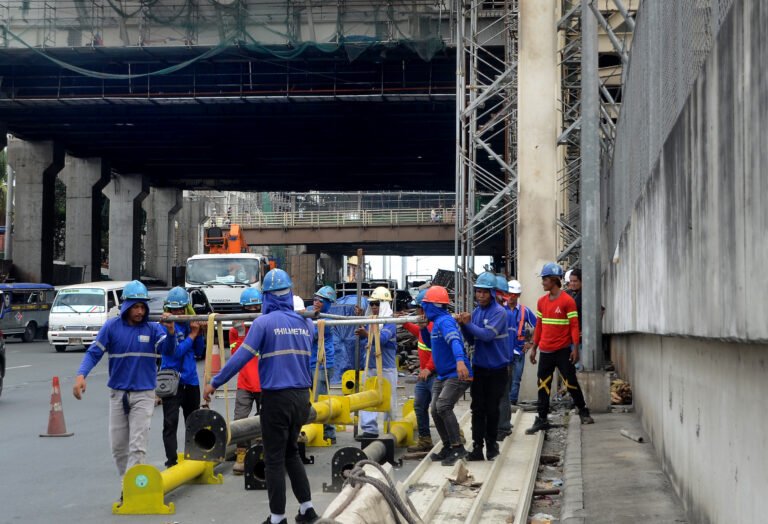
EVEN ON LABOR Day, May 1, rushing the Metro Rail Transit Line 7 (MRT-7), workers lifted the steel spreading beam to support the roof panel of the train station near Commonwealth market along Commonwealth Avenue in Quezon City.
Trains for the MRT-7, a 22-kilometer elevated railway connecting Metro Manila and Bulacan via Commonwealth Avenue , are expected to start its run and test by the end of 2025,
Full operation of the MRT-7 is targeted by 2026, train operator is San Miguel Corporation announced.
SIX DECADES OF queenship over the royal domination of the plebeian show business where toilers are still subjugated and exploited made Nora Aunor the most passive yet active authority to rule this segment of society.
Nora Aunor was the quintessential oxymoron of the lot.
She was —in the words of her friend and fellow National Artist for Film and Broadcast Arts Ricardo Lee, also known as Ricky Lee, in his eulogy at the state funeral held at the Metropolitan Theater befitting her —a contradiction.
Since she was introduced in pop culture of television by singing and the movies by acting, however, mediocre in the beginning, and molded by themselves as the everyman of the bakya crowd—the masses, her hordes of fans pinned their hopes on her not only as a mirror or a symbol of their harsh realities, dreams and aspirations as well of a better life but as a liberator from their chains of oppression, consciously or unconsciously.
INSPIRATION TO ACTION
The long queues of Noranian mourners under the heat of a summer sun outside the Heritage Park and Crematorium in Taguig City where Nora’s remains laid in state, was testament that the actress was beyond loved—inspiration to action.
At 71, Nora died of Chronic Obstructive Pulmonary Disease (COPD). In life as in death, Nora represented or even shared the lowly and marginalized life of the poor she once lived in Iriga City as a water vendor along rail tracks in her rugged or ragged clothes at the same time blended with the glitz and glam in fancy garbs of the world of make-believe. In her Superstar status commanding high asking price in media work and eventually accumulating wealth, she became rich but acted a pauper yet a generous giver of money and material things to everyone on the set.
‘[S]he could have bequeathed a more compelling and lasting legacy in her active participation as a leader of social change in real time and not only in reel world.’
MILITANCY NOT SUSTAINED
Nora should have been a leader, to fight for workers’ economic rights or for herself as a source of production, being an actor, at the Film Academy of the Philippines’ Actors Guild or the Philippine Motion Pictures Producers Association (PMPPA) or its other group, the independent film producers as a producer and a capitalist. She could learn the ropes of intensive and extensive leadership along the way, anyway. She could have asserted her capacity as a powerful person, actor and producer but she chose to just be a follower. Progressive groups such as Migrante or Gabriela had already tapped her to their ranks occupying the frontline in the struggle against social injustice and upholding other causes for the good of the majority not excluding showbiz as an organic warm body in organizing and carrying out protest movements. Sadly, her militancy wasn’t sustained. She, too, could lead and organize peaceful dialogues between the conflicting interests among investors and artists as employees, workforce or laborers; rallies and mass actions to speak up and to work for the betterment of showbiz, the most legitimate means in achieving common goals for the welfare of the industry.
A RELUCTANT LEADER
When preceding fellow National Artist for Film Lino Brocka led the formation of the Katipunan ng mga Manggagawa ng Pelikulang Pilipino (KMPP), a film workers org to promote the interests of the movie stars and creatives as workers nearing mid-80s, it was Vilma Santos instead who showed up in the frontline. Nora was the reluctant leader, indeed. The emergence of independent filmmaking gave Nora the impetus to join its moviemakers if not to solely spearhead the school where she also excelled. She could again lead the pack not only as a figurehead but a doer largely to work side-by-side with the big and moneyed studios. But she remained in the sidelights thrusted instead the spotlights in her receiving acting honors.
LASTING LEGACY
Nora had done a lot for the business and arts of filmdom, no doubt, but she could have bequeathed a more compelling and lasting legacy in her active participation as a leader of social change in real time and not only in reel world. Hoping a new Nora Aunor to emerge from an upcoming generation or is she simply wandering around the periphery of showbiz? Will the next Nora Aunor please stand up?
Just before the Holy Week, reports on student violence in public schools were played up in the media. Is this an indication of deeper moral crisis in society and disintegration of family values?
The first incident last March 26 was about the fatal stabbing with a kitchen knife of a Grade 8 student in Paranaque after an argument with his classmate. The second on April 11, again about the fatal stabbing of two Grade 8 students in Las Pinas by their three fellow learners outside their school.
This made Senator Sherwin Gatchalian of the panel on basic education to declare on April 13 “beyond alarming” such school violence and a “clear sign of crisis” that calls for the active involvement of parents/guardians and fostering harmony in families to correct, if not eliminate, such incidents.
PARENT EFFECTIVENESS
Gatchalian also pushed hard for the restoration of GMRC (good manners and right conduct) to inculcate the correct Christian values among the youth, if only to ensure that future generations would not carry on this culture of violence.
“When violence becomes the language of our youth, we must confront the hard truth: we are failing in our duty to raise a generation grounded in discipline and respect. If the youth are already like this, we should be worried about the future we’re shaping.
The senator stressed the need to bring the perpetrators to justice, and for LGUs to be “mobilized now to implement the Parent Effectiveness Service Program.”
“We cannot wait for more student deaths before we implement the interventions available to us, including the GMRC (Good Manners and Right Conduct) and Values Education Act,” Gatchalian added.
‘When violence becomes the language of our youth, we must confront the hard truth: we are failing in our duty to raise a generation grounded in discipline and respect.’
PARTNERS: HOME & SCHOOL
Of late, the the Departments of Education (DepEd) and Social Welfare and Development are jointly mapping out a program to equip parents with more knowledge in child development, said DepEd Secretary Sonny Angara. The program is part of efforts against bullying in response to Gatchalian’s call to implement PES.
Both agencies are working closely to pilot a school-based PES program in “high-need areas, particularly those with elevated cases of bullying, teenage pregnancy, and malnutrition,” Angara said.
“Programs are set up to equip parents with the knowledge and tools to guide their children, uphold their rights and foster positive, nurturing relationships both at home and in school,” Angara added.
The PES is provided under RA 11908 seeking to expand the knowledge and skills of parents and guardians in child development. It lapsed into law in July 2022. Its implementing rules and regulations were finalized in June 2023.
EMPOWERED
“Empowered parents are our first line of defense in protecting children’s rights and well-being,” he added.
“Parents and parent-substitutes will be equipped with lessons that will enrich their understanding of themselves as parents and guardians,” explained DSWD Secretary Rex Gatchalian.
“They will be able to respond more effectively to their parental duties and responsibilities, especially in the areas of early childhood development, behavior management of younger and older children, husband-wife relationships, prevention of child abuse, healthcare, and other challenges of parenting,” he added.
The PES program will be carried out in cities and municipalities through local government units and DSWD offices. Home visits, modular training packages, and distance PES initiatives may also be done so the program can reach more parents and guardians.
HIGHEST INCIDENCE
The EDCOM 2 Subcommittee meeting on Basic Education last June 13, 2024 came out with a report on the series of studies entitled “Understanding Bullying in Philippine Education: Impacts and Opportunities for Change.”
One of the most striking findings in the Program from International Student Assessment (PISA) 2018 results was that the Philippines had the highest percentage (65 percent) of bullying among all participating countries and territories (OECD, 2019).
This trend was replicated in the PISA 2022 assessment although the percentage was lower in this round of assessment (OECD, 2023),” says Dr. Allan B.I. Bernardo, DLSU professor.
Of the 65 percent, 40 percent said they were bullied at least once weekly or more. The PISA 2022 report noted that one in three Filipino students are being bullied in schools. Of this, 43 percent were girls and 53 percent were who were bullied multiple times a month. This is much higher than the OECD average of 20 percent of girls, and 21 percent of boys.
“International large-scale assessments show us an alarmingly high prevalence of bullying in our schools, which threatens the safety and well-being of our learners. Since we are also looking at the possibility that actual bullying incidents are underreported, we need to ensure that DepEd has strong reporting mechanisms so we can fully capture what is happening on the ground,” said then EDCOM 2 co-chair Gatchalian.
ANTI-BULLYING LAW
However, DepEd data showed that from 2013 (the year the Anti Bullying Law was passed) to 2018, the number of reported bullying cases surged from 1,158 to 20,172.
EDCOM 2 co-chair Rep. Roman Romulo remarked, “the law was passed in 2013. From then, until last year, why was DepEd unable to identify the incidents properly. Why did it take this long [to implement the law]?”
But DepEd insisted that child protection committees (CPCs) were functional in schools and it was only recently when they formulated a functionality tool to assess the level of operationalization of the CPC’s responsibilities.
Dr. Bernardo, presenting an overview of the studies, noted that tackling bullying calls for school-wide anti-bullying approaches. “Bullying is not just one thing. We need to look at it as sustaining and supporting the whole school environment” ranging from education and prevention to handling impacts of bullying for victims, perpetrators, and witnesses.
MENTAL HEALTH CONCERN
One finding said bullying is more prevalent in public schools with large class sizes, discriminatory teacher behavior and lower levels of competition and discipline. Bullying is also higher among students coming from lower socioeconomic environments.
Those bullied often have mental health concerns like depression and anxiety, experience both traditional physical bullying and relational cyberbullying; psychosocial issues and the learner’s environment such as school safety, relationships with their parents, and their prevailing attitudes towards bullying.
The DLSU studies recommended amendments to the IRR of RA 10627, strengthening the provisions related to CPC, improving systems for reporting bullying cases, and clarifying DepEd’s structures and systems related to bullying.
KALIBO, Aklan – Juan P. Dayang, 89, chairman emeritus of the Publishers Association of the Philippines Inc. (PAPI) and a prominent figure in Philippine journalism, was shot dead in his home at Casa Dayang in Villa Salvacion here at around 8 p.m. Tuesday, April 29, 2025.
Dayang, a highly respected figure in the media industry, was reportedly watching television when an unidentified gunman, wearing a bonnet, fired three shots from outside his residence. He sustained a fatal neck wound and two gunshot wounds at the back. He was declared dead on arrival at the Dr. Rafael S. Tumbocon Memorial Hospital at 8:33 pm.
Dayang’s long and distinguished career spanned decades. He served as president of PAPI for over 20 years, leaving an indelible mark on the organization and the Philippine publishing landscape.
His contributions extended beyond PAPI; he was also president of the Manila Overseas Press Club, a former director of the National Press Club, and the founding president of the Federation of Provincial Press Clubs of the Philippines. At the time of his death, Dayang held the position of Secretary of the Catholic Mass Media Awards.
His commitment to public service led him to serve as mayor of his Kalibo hometown, the provincial capital of Aklan, during the administration of the late President Corazon Aquino.
Dayang’s caretaker, Marjorie Yap, said that around 9 a.m. on Tuesday, two unidentified men wearing bonnets were seen on a motorcycle near Dayang’s residence, seemingly observing the house, suggesting that the attack was premeditated.
Police are currently investigating the incident and reviewing CCTV footages from the area to identify the suspects, who fled the scene on a motorcycle. The motive behind the murder remains unclear currently, and authorities are pursuing all possible leads.
The death of Dayang represents a significant loss to the Philippine media and political landscape. His legacy of leadership, dedication to journalism, and public service will be remembered for generations to come. The nation mourns the passing of this remarkable individual.
In a subsequent telephone interview, PAPI President Nelson S. Santos declared: “We strongly condemn this killing, and we are calling for justice. HINDI niya deserved ang cruel and senseless end.”
Santos said PAPI earnestly urges the Presidential Task Force on Media Security (PFTOMS) and its partner authorities to promptly investigate the Dayang case, identify the killers and the brains behind the murder, and bring them to justice
“We join the entire media community in demanding justice for our Chairman Emeritus and his family. We also extend our deepest condolences to his family and loved ones,” Santos stressed.
Lately, the Philippines found itself at the center of intensifying geopolitical tensions, within the West Philippine Sea. While the territorial disputes and maritime confrontations dominate headlines, a quieter battle wages within our very borders: the growing threat of Chinese espionage.
Espionage, which is not an isolated incident, undermines national sovereignty and erodes internal security. Chinese intelligence activities in the Philippines have become part of a pattern. This should concern all democracy- and peace-loving Filipinos.
From strategic locations to cyber intrusions, suspected surveillance operations targeting not only government infrastructure but also the mindset of Filipino voters.
With drones suspected to belong to China, manifests the reach of these calculated and persistent intelligence apparatus.
More alarming facets of this silent threat is the infiltration of digital spaces.
Cybersecurity assessments validate that the Philippines remains vulnerable to such cyber espionage. Government databases, military communications, and even critical infrastructure, including power grids and telecommunication networks, are targeted. Cyber intrusions are not only breaches of privacy. Clearly, these are attempts to control information flow —even the most confidential — and try to exert influence on our national policies and intrude into our citizens’ frame of mind.
Also, uncertainties and suspicions arise on the presence of Chinese-linked entities in close proximity to military installations. Concerns are focused on the recruitment of local assets to achieve such intentions.
Offshore gaming operations that were significantly and strategically positioned in many parts of the country posed controversies with deep suspicion that these POGOs have included intelligence gathering and illicit activities.
Of course, not all Chinese individuals or businesses should be regarded with distrust, the government must clearly distinguish between legitimate activity and strategic deception. But how?
Many officials have sounded the alarm. Others simply maintained the attitude of nonchalance. There exists no coordinated, transparent, and unified strategy. Consequences of inaction could be severe stepping into compromised sovereignty, weakened institutions, and a nation exposed to manipulation.
Shouldn’t the Philippines take a firmer stance?
It is imperative for the country to strengthening counterintelligence capabilities, invest in cybersecurity, and conduct thorough background checks on suspicious foreign-operated businesses.
Even as the Philippines maintain fostering regional cooperation with allies facing similar threats, shouldn’t we reinforce a vigilant, educated public making them understand the magnitude and severity of espionage.
Defending the country from such is not just about guarding our islands or repelling ships. It is more about protecting the integrity of our nation from those who seek to control it from within.
Chinese espionage is here, it is real and must be addressed with earnest resolve and unity.
As the conclave was set by the College of Cardinals for May 7, Catholics and believers of Pope Francis are posting their desire that the next pope would carry on his legacy. They invoke Divine intervention, particularly of the Holy Spirit to electors courage, wisdom and a heart dedicated to service and truth.
Francis, who ruled for 12 years the Church of 1.4 billion, is highly praised for his simplicity, humility and his mission of reaching out to the marginalized, those isolated and abandoned by society and pushed for immigration (for people in troubled nations), the poor as he prayed for the very sick (physically and morally) as he also showered understanding to same sex unions (not marriage), which most people from rich and poor nations shunned upon. Francis was the 266th pope elected by the College of Cardinals in the conclave, the first being St. Peter, the apostle of Jesus.
Customarily, the conclave is held 15 to 20 days after the pope’s death. There is no time limit for the conclave, with the longest in modern times in 1903, when Pope Pius X was chosen after five days.
LONGEST, SHORTEST VOTING
In the 13th century, the papacy was vacant for three years before Gregory X was elected, said USA Today.
The shortest conclave was in 2013, when it only the College of Cardinals 115 electors a little more than 28 hours to choose Jorge Mario Bergoglio of Argentina (who chose the name Francis I– the patron saint of the poor and him being the first Jesuit priest to be elected from South America).
Francis was backed by cardinals seeking reform and he emerged as unexpected candidate early on. In his election speech, Francis said “I come from the end of the world.”
Already, a dozen papabile names have been tossed around but like the Catholic Bishops of the Philippines warned, the conclave is not like a typical political exercise.
‘Outside the chapel, thousands of faithful gather in prayer and anticipation for the cardinals’ verdict, all eyes glued to the chimney, which if it spews white smoke means a pope has been chosen and black smoke means none yet.’
CHOSEN BY LOTTERY
Cardinals Luis Antonio Tagle, Dominique Mamberti and Reinhard Marx will assist the camerlengo (the caretaker of papal household), Cardinal Kevin Farrel, in preparing for the conclave for at least the next three days.
Tagle was chosen by lottery to be among the three assistants of the camerlengo, or caretaker of the papal household, in preparing for the conclave at least for the next three days.
The conclave, a time-honored process conducted in secrecy behind locked doors of the Sistine Chapel, is held when the papacy is usually vacated upon a pope’s death or retirement (except in the case of Pope Benedict XVI who resigned in 2013, the first in six centuries). Benedict was succeeded by Francis. Only those below 80 years old can secretly vote in the conclave. Of the 252 cardinals, 135 will serve as electors.
VOW OF SECRECY
Before the conclave begins, the College of Cardinals will celebrate Mass in St. Peter’s Basilica before moving on to the Sistine Chapel. Until a successor is chosen, they were sequested behind locked doors– hence the term conclave, from the Latin “with key.”
The principle behind locking them at first was to prevent them from being influenced by Roman leaders and powerful families, but now it is to shield them from media.
They surrender their cellphones, have no access to TV, email or other public contact. They take a vow of secrecy though leaks have been reported over the years.
Up to four secret ballots are conducted daily in slips of paper. A pope is chosen if he gets ⅔ vote. When no candidate earns a sufficient portion of votes, the cardinals break for closed-door discussion and reconvene for another vote, with the process repeating until a decision has been reached.
HABEMUS PAPAM
Outside the chapel, thousands of faithful gather in prayer and anticipation for the cardinals’ verdict, all eyes glued to the chimney, which if it spews white smoke means a pope has been chosen and black smoke means none yet. The tallies are burned using chemicals.
If after 32 rounds of voting no clear winner emerges, the top two candidates advance to a run-off but the winner must still have ⅔ majority.
Ultimately, the words “Habemus papam” (We have a pope) will sound from the balcony and the newly-named pope will make his debut.
Promising to reduce the price of rice to its lowest imaginable level for a given period is music to the voter’ ears. But implementing it successfully is always an impossibility.
Digong Duterte promised to bring down rice prices to P7/kg during his 2018 state of the nation address.
Incumbent President Marcos Jr. vowed rice at P20/kg. during his 2022 campaign, but which currently remains an impossible dream amid their latest promise to roll out rice at P20 by May 2, after Labor Day, to assuage the thinning patience of the country’s workers who can barely afford the staple now at more than P45/kg for regular milled rice.
Politicians overuse the promise of lowering rice prices for their personal advancement, without following through and ensuring that they keep their word for the sake of the citizenry.
TIME TO DELIVER
Now, the government is again pronouncing to deliver this campaign promise of P20 rice just weeks before the 2025 midterm election, to get votes for their candidates. Cheap shot.
Already, Marcos’ promise of P20/kg rice by May 2 has been branded a lie by VP Sara Duterte.
Columnist Jake Maderazo compared FP Duterte and Marcos as to who is handling the rice crisis better. “Duterte cited the urgency in his 2018 SONA for Congress to prioritize a proposed law to impose tariffs on rice in place of import quota to reduce prices by P7 per kg to slow inflation significantly,” he wrote.
“By September 2018, prices soared to P70/kg under then DA Secretary Manny Pinol with inflation as high as 6.7%. Three years later, the promised P7/kg never happened,” he said.
Duterte focused on liberalizing rice imports to stabilize prices by increasing supply, through imports. This led to challenges for local farmers who had to compete with cheap imports. Back then, rice smuggling flourished and local farmers’ palay were at the mercy of middlemen.
‘Public reactions to VP’s statements ranged from skepticism to a reminder that her father’s promise was a much lower P7/kg during his term.’
STRONG AGRI INFRA
The Marcos administration works at strengthening agricultural infrastructure and providing subsidies to farmers, the effects of which would be felt by later administrations. Still, these measures have the potential to enhance local production and eventually reduce import dependency.
For me, while it is good to boost agricultural infrastructure, the Marcos administration (despite laws to prevent agricultural smuggling and price manipulation) has still to produce concrete evidence of its sincerity to enforce to the fullest such anti agricultural economic sabotage laws. No smuggler or cartel member has yet been charged and jailed.
Though rice prices have dropped with ceilings for imported rice at P45/kg (a drop of P19 from P64/kg in January 2025), still this is not to be credited to the administration since global rice prices have softened, in addition to lowered tariffs and a strong peso. The NFA also sells P33/kg in (hardly visible) Kadiwa stores nationwide.
The P20/kg promised by DA Secretary Francisco Tiu Laurel Jr. has obtained the poll body’s green light for the rollout in 12 provinces in the Visayas, during the homestretch of the campaign period. The President posted on his FB page “Twenty pesos per kilo of rice. That’s the promise – and now, we’re making it happen in the Visayas region.”
REGULAR MONITORING
VP Duterte doubted Marcos’ motive. “Perhaps they are again trying to fool people with P20-per-kilo rice. The person who promised P20 per kilo lied knowing it wasn’t possible, but he still gave people false hope.”
She countered that this cheap rice would be “of such low quality that it would normally be used as pig feed.
Sara Duterte added that “such efforts were just part of a broader scheme to boost administration allies’ chances in the coming elections.”
NFA Administrator Larry Lacson assured that the rice to be sold under the P20 per kilo rice program is of high quality and that nothing of poor quality rice will leave the warehouse. He added that NFA’s rice stocks undergo regular monitoring and laboratory and other tests to assess their quality.
EASING FOOD SECURITY
Public reactions to VP’s statements ranged from skepticism to a reminder that her father’s promise was a much lower P7/kg during his term.
If actually implemented, the promise of low rice prices could have eased the food insecurity and low nutritional intake of the people, so they can allocate limited resources to other essential needs such as healthcare and education.
We must remember that the P20-per-kilo rice program is basically a “crucial social service to those in need,” Maderazo said, adding that “food security is a fundamental right and must be a priority rather than government profitability.”
FOR 750 YEARS, the College of Cardinals choses popes at closed conclaves with participants locked in and completely isolated from the outside world.
A small number support staff —cooks, medical staff and clerks —are locked in with the electors. They, too, are bound by a vow to secrecy.
The penalty for violating the vow (even by the electors) is permanent removal or excommunication from the life of the church, wrote History Prof. Christopher M. Bellitto of Kean University in Union N.J. in Time magazine.
EXPECT THE UNEXPECTED
Following such tedious procedures, all the names being floated around and touted as papabili (literally, “pope-able”) are mere speculations and conjectures as the unexpected (a name that has never been listed as “papabile”) might just be the one voted upon.
LAST PUBLIC APPEARANCE. Pope Francis in his Urbi Et Orbi at the Vatican on Easter Sunday, April 20, 2025.
The only indication that a pope has been elected is through a white smoke billowing from the chimney of the Vatican, but a black smoke indicates none had been chosen yet.
Even after a pope is chosen in the very rare conclave —imagine only 16 papal conclaves since 1788 versus 60 US presidential elections, the only lesson from these conclaves is “to expect the unexpected,” Bellitto said.
At the beginning of Christianity, a pope was either chosen by a cheering Roman crowd as the next spiritual leader, or a group of local clergy and powerful families got together and made a choice. It was not until the 13th century that the process changed because the cardinals infuriated the people of Viterbo, Italy by nearly nearly three years to choose a successor to Pope Clement IV who had died in their town.
Back then there were few cardinals who tended to travel with the pope and elected a successor only when the pope died. The irked lay people locked up the cardinals to hasten the selection process and this tactic worked as they made the selection while behind lock and key. All notes from the conclave are burned.
Over time, this practice led to a new tradition: the cardinals would burn the ballots with substances to make the smoke black to indicate no pope was elected and white to indicate success.
In the 16 more secretive conclaves since 1800, one pattern has emerged: rarely would the choices typically come from names bandied-about as papabili.
YEAR OF THREE POPES
But 1963 was an exception. That became clear when Paul VI died in 1978— the year of three popes. The conclave to replace him chose Cardinal Albino Luciani, who took the hybrid name John Paul I who died a month later of heart attack; the second conclave, with Krakow’s Cardinal Karol Wojtyla, or the now St. John Paul II.
At least in this case, one cardinal kept his vow of silence about how that came about. The second 1978 conclave proved to be the last for the 20th century since John Paul II remained pope until his death in 2005.
After his 27-year tenure, observers expected the cardinals to replace John Paul II with an older successor. The curia—the Vatican’s bureaucracy— was in terrible shape and it would take someone who knew how things worked to fix it. This was German Cardinal Joseph Ratzinger. His name appeared on very few papabili lists and when it did, it was quite low, as he was considered a bit too old at 78.
It was said that Ratzinger almost tied with Cardinal Jorge Bergoglio of Buenos Aires.
When Benedict XVI unexpectedly resigned in 2013, the second 1978 followed, which produced a choice on almost no one’s list. But the 2013 conclave returned to Bergoglio, who became Pope Francis, first Jesuit pope from Latin America and the first non-European Pope in over 1,200 years.
This matters a lot in terms of the theology of the election: the idea is that God, through the Holy Spirit, comes down on the cardinals and inspires them and their choice.
THEIR OWN MEN
With his death on Easter Monday at age 88, 135 eligible cardinals will vote for Francis’ successor. Of this, 108 —or 80 percent— were his appointees.
Cardinals are “their own men,” and even those picked by Francis may have their own opinions.
Miles Pattenden, a historian of the Catholic Church at Oxford University in a TIME Magazine interview, cited an Italian proverb: “After a fat Pope comes a thin one,” indicating that cardinals very often focus on what they didn’t like about the previous Pope …”
The first question on cardinals’ minds will be whether they want change or continuity. This present conclave has the largest number of eligible cardinal-electors.
In 2013, he said, 51 percent of cardinal-electors were European. Now, 39 percent are and 18 percent come from Asia Pacific, 18 percent from Latin America and the Caribbean, 12 percent come from Sub-Saharan Africa, 10 percent from North America, and 3 percent come from the Middle East and North Africa.
Francis played a big role in that shift: Of the 108 he appointed, 38 percent came from Europe, 19 percent from Latin America and the Caribbean, 19 percent from the Asia-Pacific, 12 percent from sub-Saharan Africa, 7 percent from North America, and 4 percent from the Middle East and North Africa.
While geographic diversity was a priority, theological diversity was not. The cardinal-electors have their preferences.
“This matters a lot in terms of the theology of the election: the idea is that God, through the Holy Spirit, comes down on the cardinals and inspires them and their choice.”
The Provincial Government of Northern Samar is shifting to digital procurement services, adopting the Purchase Request Management System (PRMS) which was introduced recently to its human resources today. In a training held at the Ibabao Hall of the Provincial Capitol, the initiative aims to improve the processing of purchase requests by introducing a technology-based system that will help address the challenges of procurement such as transparency and delays, proposed by the Local Finance Committee, primarily the Provincial Accounting Office, Provincial Bids and Awards Committee (BAC), in partnership with the Management of Information Systems (MISO). The new system enables offices to track the status of their purchase requests without having to visit multiple offices, saving both time and resources. The Provincial Government hopes to adapt well to the Electronic Financial Indexing and Requisitioning Management System (eFIRMS) for the management of its finances, purchase requests, and centralized indexing to better serve its publics.
ALARMING IS AN understatement to describe recent developments surrounding national security amid an “escalated tension” over the West Philippine Sea.
No less than the Philippine Navy disclosed the presence of a Chinese aircraft carrier, six escort ships and a spy ship 5.6 kilometers from the country’s northernmost islands on April 22.
According to Navy spokesman Rear Admiral Roy Vincent Trinidad, the supposed “passage” is the closest recorded approach of a Chinese entourage to the Philippine shores.
Spotted in a simultaneous activity at the Babuyan Islands were a Shandong-class aircraft carrier and six destroyer and frigate escort ships and two support vessels.
The Philippine Navy also tracked a separate Type 815 Chinese surveillance ship 33 nautical miles northwest of Dalupiri Island in Batanes province.
WHAT WENT BEFORE
At the onset of 2025, the Philippine authorities have been running after and arresting foreign spies — mostly Chinese nationals – in what the government claimed is an earnest effort to keep the country safe.
From January onwards, quite a number of Chinese nationals suspected of spying in the Philippines were arrested in separate operations in Makati, Palawan, and Zambales.
Also seized from the arrested foreign nationals were “military grade” gadgets which were allegedly used to collate sensitive data on the ground, including the Malacañang Palace, which is known for an extremely high level of security. The President and his family are living in Malacañang.
China has since shrugged off allegations of spying on the Philippines.
CHINA’S RETALIATION
Following the series of arrests of suspected Chinese spies, three Filipinos based in China were detained on suspicion of espionage.
A report from state-run Xinhua News Agency claimed that the Filipinos, who were “arrested for allegedly passing sensitive information to a Philippine contact,” have reportedly confessed.
In a statement released by the Department of Foreign Affairs (DFA), the Guangzhou-based said that the Philippine government will provide assistance and other necessary support to the three arrested Filipinos.
DFA also called on China to handle the case with due process and full respect for the suspects’ rights under Chinese law and the Philippines-China Consular Agreement.
The maritime dispute resulted in a strained bilateral relationship as manifested in a long list of diplomatic protests arising from water cannon incidents, side-swiping, dangerous maneuvers, sea collisions and even extremely physical encounters.
MODERN ESPIONAGE
Espionage, however, isn’t limited to human sleepers as Philippine authorities previously recovered underwater spy drones off the coast of San Pascual, Masbate in December 2024, and another one in Sabtang, Batanes in February this year.
The drones, Trinidad claimed, have the capability to gather critical data about the Philippines’ undersea environment, adding that these underwater vehicles have the capability to gather critical data about the Philippines’ undersea environment.
“The yellow drone… is designed to collect what we call bathymetric data: depth of water, salinity, conductivity, [and] oxygen content,” said the Navy officer citing forensic findings.
“The black one has the same capability, but it also has an AVS: acoustic vector sensor. It picks up sound, how sound propagates or travels underwater,” he added.
He explained that “sound propagation is very critical when it comes to undersea warfare. But all the information obtained by these drones has different uses, potentially commercial, academic, scientific research, and military use.”
BREWING TENSION
The maritime dispute resulted in a strained bilateral relationship as manifested in a long list of diplomatic protests arising from water cannon incidents, side-swiping, dangerous maneuvers, sea collisions and even extremely physical encounters.
However, none of these incidents seemed enough for the Mutual Defense Treaty of 1951, which the United States committed to defend the Philippines in the event of foreign aggression. The pat however specifically provides the use of “firepower” for the treaty to take effect.
The US nonetheless has reiterated its stand over the maritime dispute. In an apparent proof of its commitment to the Philippines, the US government approved the $5.58 billion arms deal involving fighter jets and missile systems to strengthen defense cooperation between longtime allies.
The deal however doesn’t sit well with China. In an apparent display of disappointment, the Chinese Embassy in Manila issued a travel advisory warning Chinese citizens of increased security risks in the Philippines.
FORTIFYING DEFENSE
To bolster the country’s defense, the Philippine Navy cited the need to buy more “grey ships” while putting up an in-house shipbuilding for mid-sized vessels.
“I think that is the objective. This will be to support the Self-Reliance Defense Program of the Philippines, not only of the Department of National Defense but the whole country,” Commander John Pierce Alcos, Naval Public Affairs chief said.
“We have a naval shipbuilding facility in Cavite. This is part of the Fast Attack Interdiction Craft Acquisition Project where we’ve partnered with Israel. Hopefully, very, very soon we’ll have the capability to manufacture our own mid-sized Fast Attack Interdiction Craft,” Alcos said.
The FAIC are medium-sized vessels capable of speeds of around 40-50 knots and equipped with missile launching capabilities, he added. He also revealed ongoing efforts to develop machine guns for the vessel.
“We now have the capability to operate .50-caliber machine guns remotely. This was developed here in the Philippines. These are now being operated aboard several of our vessels already.”
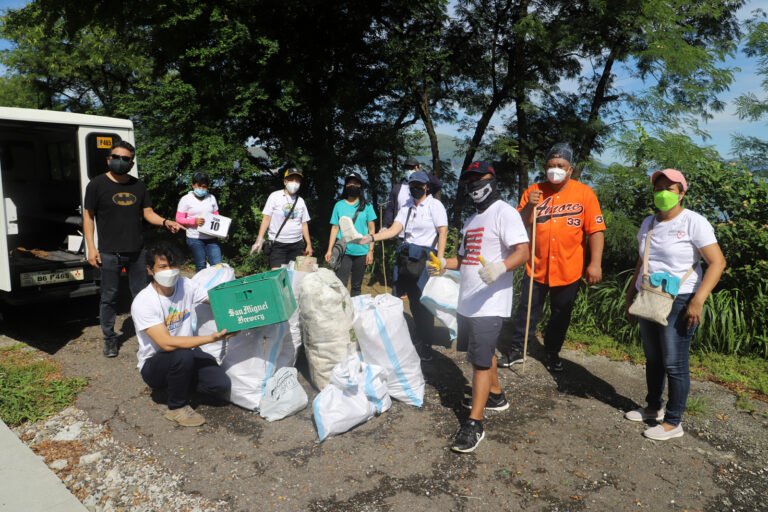
With this year’s Earth Day 2025 theme, “Our Power, Our Planet,” the Subic Bay Metropolitan Authority (SBMA) held its 16th Recyclables Collection Event. Earth Day is celebrated every April 22nd of the year.
It was imperative for the SBMA to highlight Communication Education and Public Awareness to empower stakeholders. An online forum on Health and Environment was also held and other activities at the Subic Bay Exhibition and Convention Center.
“As for the main event, the 16th Recyclables Collection Event (RCE), will be held at the Mini Golf Course area of the Subic Bay Freeport, where stakeholders can bring hazardous waste materials and recyclable materials to ensure their proper disposal,” SBMA Chairman and Administrator Eduardo Jose L. Aliño said.
To reduce plastic pollution by reducing waste from single-use plastics, an exhibit on sustainable products and technology was held at the Harbor Point Ayala Mall.
Proceeds from the donated recyclable materials collected will be doled out to the employees of Omniworx, the company tasked to clean and maintain SBMA buildings all over the Subic Bay Freeport. Reiterating that these employees are “our partners in the segregation of wastes at source,” Aliño said they ensure that recyclables are properly segregated and turned over during the bi-annual RCE exhibit for proper disposal through our waste haulers.
A community cleanup all over the Subic Bay Freeport Zone, and, also, the Trash for Rice, a social development program of the Subic Bay Freeport Electronics Recycling Association.
Earth Day 2025 is a step towards its goal in the Race to Carbon Neutrality, making this premier Freeport into a carbon-neutral zone in the future,” Aliño said.
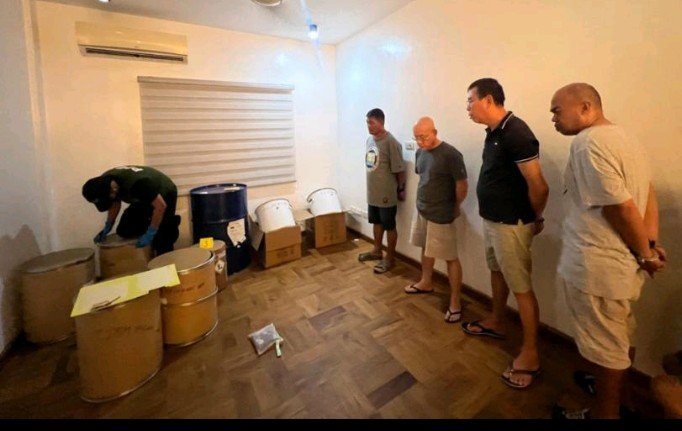
DRUMS OF DIFFERENT chemicals and laboratory equipment believed to be used in the manufacture of shabu (methamphetamine hydrochloride chloride) were seized in a raid recently at a residential property in BF Resort Village in Las Piñas City.
Five individuals, including three foreigners, were arrested in the operation led by the Philippine Drug Enforcement Agency (PDEA) Intelligence Service, in close coordination with other law enforcement units.
A search warrant was implemented at No. 16 Pilar Pilapil Street in this village. The house had been under surveillance.
Uncovered in the search were: Multiple chemical substances stored in blue drums, plastic gallons, and amber bottles, and numerous manufacturing apparatus believed to be used in shabu production.
The presence of controlled precursors and essential chemicals (CPECs) and laboratory equipment indicates a possible setup for the illicit manufacture of dangerous drugs.
The search and seizure were conducted in the presence of mandatory witnesses to ensure transparency and compliance with legal protocol. All confiscated items were turned over to the PDEA Laboratory Service for chemical analysis and proper documentation. As of yet, no equivalent amount of confiscated items was determined nor how much shabu could be manufactured with the amount of chemicals seizes.
In line with the directives of President Marcos Jr., this successful anti-drug operation highlights the unwavering commitment, vigilance, and inter-agency cooperation in dismantling organized drug manufacturing networks.
PDEA remains steadfast in its mission to safeguard Filipino communities, uphold the rule of law, and combat transnational drug syndicates.
THE VATICAN CONVENES at the Sistine Chapel the papal conclave 2025 between May 6 and 11 this year to choose the successor of the late Pope Francis, who died on April 21, or 15 to 20 days after the pope’s death. The next pope will lead 1.4 billion baptized Catholics of the world.
While the Vatican has not yet announced exactly when the actual conclave will begin. It could well be that as of this writing, a pope may have been chosen.
The very secret election process is expected to gather 252 of which 138 are eligible electors to vote for the successor to the throne of St. Peter, 108 of them —or 80 percent— appointed by Francis, has elicited an unexpected enthusiasm and interest the world over– regardless of faith and religion. Vatican rules state that only those under age 80 may take part in the secret ballot. Less than half are Europeans. Speculations border on an African or Asia-Pacific cardinal to be elected pope.
Four rounds of voting take place every day until a candidate receives two-thirds of the vote, in a process that typically lasts around 15 to 20 days, according to the United States Conference of Catholic Bishops.
Favorites entering the conclave rarely emerge as Pope, which has spawned the Italian adage: “Enter the conclave as Pope and leave as a cardinal.” Of the last six conclaves only Pope Benedict XVI (Francis’ predecessor and stiff contender in 2007) emerged as Pope having entered as favorite.
LET’S BE HONEST, we all need a therapist. But traditional therapists are expensive, judge your questionable life choices, and never roll over for a tummy rub. Enter: the pet therapist, a furry, four-legged (or scaled, or feathered) miracle worker disguised as a cuddle buddy.
Science, in its infinite wisdom, has finally caught up with what pet owners have known for centuries: having a creature that judges you solely on the promptness of your dinner delivery is good for your health. Forget kale smoothies and marathon training; the secret to longevity is a slobbery kiss and a warm, fuzzy presence.
FIRSTLY, let’s talk about the heart. Literally. Studies show that petting a dog or cat lowers your blood pressure and heart rate. This means you can finally watch that suspenseful thriller without fear of spontaneous combustion. Your pet, meanwhile, will be blissfully unaware of the tension, probably snoring on your lap.
SECONDLY, pets are excellent personal trainers. They force you to leave the house, even when your couch is whispering sweet nothings in your ear. Dogs demand walks, cats demand you chase a laser pointer (which, let’s be honest, is more cardio than you’ve done all week), and even a goldfish will make you get up to change the water (eventually). This forced exercise, disguised as playtime, burns calories and improves your mood. Who knew fitness could involve throwing a squeaky toy across the room?
THIRDLY, pets are the ultimate stress relievers. They don’t care about your deadlines, your embarrassing social media posts, or the fact you burned dinner (again). They offer unconditional love, a furry shoulder to cry on, and a distraction from the existential dread that plagues us all. Plus, a purring cat is basically a tiny, vibrating stress-reduction machine.
FOURTHLY, pets are social lubricants. Suddenly, you’re not just the weird person who talks to themselves; you’re the friendly individual with the adorable dog at the park! Conversations with strangers magically appear, all centered around your pet’s cuteness. You’ll find yourself discussing poop bags and the best brand of kibble with newfound friends. It’s like a secret society, but with more slobber.
AND NOW, A CRUCIAL POINT: adopt, don’t shop! There are countless animals in shelters waiting for a loving home. Rescuing a pet is like getting a superhero with a tragic backstory. You’re not just gaining a companion; you’re giving a deserving animal a second chance. Breeding pets when shelters are overflowing is like ordering takeout when your fridge is bursting with leftovers. It just doesn’t make sense.
So, ditch the expensive gym memberships and the overpriced therapy sessions. Invest in a furry, feathered, or scaled friend. Your heart, your waistline, and your sanity will thank you.
Furthermore, rescue pets often come with a built-in personality. They’ve seen things, they’ve learned things, and they’re ready to share their wisdom (mostly through enthusiastic tail wags and insistent nudges). They’re grateful for a warm bed and a full food bowl, and that gratitude translates into an abundance of love.
So, ditch the expensive gym memberships and the overpriced therapy sessions. Invest in a furry, feathered, or scaled friend. Your heart, your waistline, and your sanity will thank you. And remember, the best pets are the ones who need you as much as you need them. Go rescue a hero today!
“NAKIKIISA AKO SA sambayanang Pilipino sa pagdarasal…tularan natin ang pagmamahal ni Jesus sa atin!” Message of VP Sara Duterte to the Filipino people during the Holy Week. But as was her habit to speak publicly on certain occasions, she has spoken with eyes blazing, “P.I… ninyo lahat!” Really sounds like his killer father who declared, “God is stupid!”
Whoa, so shameless as to represent, while holding the second highest public official position of the land, as Judas Iscariot among the disciples of Jesus Christ! She cannot help herself apparently, also to represent the dominant officialdom in Congress and in the LGUs, namely, her fellow dynasties.
Prominent among her allies, especially showing themselves on TV, are the likes of Senators Bong Go, Bato de la Rosa, Imee Marcos, Tol Tolentino, Bong Revilla, Pia Cayetano, Camille Villar, and others like DILG secretary Ben-Hur Abalos, Erwin Tulfo and others. These are the current crop of senators and public officials, wooing the Filipinos for their votes.
FOR COUNTRY OR MASTER?
BUT, as the public knows, these are the officials who kept mum, (or who actively implemented Rodrigo Duterte’s bloody drug war), about the rampant extrajudicial killings (EJKs) of more than 30,000 Filipinos, among them children.
Not one of them spoke against the aggressive attacks of China’s coast guard ships on the Filipino fishermen and the maritime research scientists in the West Philippine Sea.
They could have studied the issues and provided possible solutions on this pestering imperialist design of China, but it looks like they never bothered to do so, or they simply did not know what to do. One of them made a promise about being “malasakit,” despite his known past record to have given rewards to the killers of suspected drug addicts or pushers, during the former president’s brutal drug war.
Others promised to come up with programs on lowering prices of goods, electricity, and medicines. Others simply showed their dancing skills, like Congressman R. Marcoleta, to represent probably a “fun life for every Filipino” once they become senators, if elected.
Not one of (Duterte’s men) spoke against the aggressive attacks of China’s coast guard ships on the Filipino fishermen and the maritime research scientists in the West Philippine Sea.
CAMPAIGN GIMMICKS
Aren’t these campaign gimmicks showing their hypocrisy, like how VP Sara Duterte gave a public message of “nakikiisa…sa pagdarasal,” practically contradicting her deeds of malfeasance as a public official, having been impeached by the more than 200 congressmen?
Filipinos of goodwill are not surprised with the braggadocio of the above-mentioned candidates to splurge their campaign war chests.
The people have long been aware that these BBM/Du30 candidates, like Judas Iscariot in Jesus’ time, have only their personal and familial interests in mind to hold the country’s “power of the purse” as public officials – and to hell with their mandate “to build a just and humane society.”
HOLY WEEK TERMS
At least, this is how the people see them, based on their track records – failure to provide jobs or livelihood to their needy constituents, given the latest SWS survey that almost 30 percent of Filipinos have been experiencing hunger.
The people have been expecting the administration to be marketing the promised P20/kg of rice. In other words, couldn’t they have given focus in their programs, while already sitting as public officials, on keeping up a vibrant economy, for the benefit of the more than 60 million poor Filipinos?
This administration under President Bongbong Marcos and his VP Sara Duterte, and the current crop of their candidates to run especially for the Senate, can only blame themselves for the people calling them hypocrites, or Judases — during Holy Week, a time of self-reflection and prayers, remembering Christ’s supreme sacrifice for the people, for righteousness, with His Passion and Death on the Cross.