
Thursday, March 26, 2026
Home Blog Page 9

Chocolates Are Therapeutic

0

I HAVE ALWAYS, and still do, love chocolates, especially the dark ones although people always caution me about gaining weight. 

But a recent video of Dr. Mark Hyman, a physician and founder/medical director of The UltraWellnessCenter, discussed how foods, including high-flavanol dark chocolate/cacao, support stem cell regeneration because of flavanols that stimulate stem cell release and migration for repair, leading to improved circulation and cardiovascular health.

Choosing quality dark chocolate (70% or more cacao) achieves such benefits. Hyman often features Dr. William Li on his Doctor’s Farmacy podcast that promotes food as medicine to activate the body’s natural healing through stem cell support, contrasting with mainstream medicine’s focus on supplements.

“[F]lavanols, the compounds in cacao beans (especially dark chocolate) acts as antioxidant and signal stem cells, which release adult stem cells from the bone marrow, allowing them to travel to damaged tissues for repair. 
The concept of angiogenesis … is the formation of new blood vessels stimulated by foods like cocoa that supports the overall healing.”

STAY YOUNG FOREVER

His contribution to the Katie Couric Show (which last aired in 2013) entitled the Dr. Hyman Show examined many topics related to human health. He authored several books on nutrition and longevity, of which 15 have become New York Times bestsellers, including Food Fix, Eat Fat, Get Thin, and Young Forever.

Hyman, a proponent of pseudoscientific functional medicine– a form of alternative medicine– is board president of clinical affairs of the Institute for Functional Medicine and is the founder of and senior adviser to the Center for Functional Medicine at the Cleveland Clinic. He promotes the pegan diet, aka the fad diet.

His key concepts are: flavanols, the compounds in cacao beans (especially dark chocolate) acts as antioxidant and signal stem cells, which release adult stem cells from the bone marrow, allowing them to travel to damaged tissues for repair. 

The concept of angiogenesis, he explains, is the formation of new blood vessels stimulated by foods like cocoa that supports the overall healing.

How it works is: 1) consume High-Flavanol Cocoa, specifically dark chocolate (70% or higher) or unsweetened cocoa powder provides these beneficial compounds– the flavanols trigger the body’s stem cells to move into the blood stream; 2) these mobilized stem cells go to areas needing healing, improving circulation and supporting various bodily functions.


NOT A CURE-ALL

In essence, Hyman promotes dark chocolate not as a cure-all, but as a delicious, natural way to leverage your body’s innate healing power by supporting stem cell activity, aligning with his functional medicine approach. 

Other materials about dark chocolate attest that 72% cocoa content is rich in compounds called flavonoids– plant based antioxidant found in the cacao bean that have been linked to several health benefits

Antioxidants help protect the body from damage caused by harmful molecules called free radicals. The higher the percentage of cocoa in chocolate, the more flavonoids it contains such that a 72% dark chocolate has significantly more antioxidants than typical milk chocolates or the lower percentage dark chocolates. 

Because of these antioxidants, eating small amounts of 72% dark chocolate contributes to:

• Improved heart health by helping lower blood pressure and improve circulation

• Enhanced brain function through increased blood flow and neuroprotective effects

• Reduced inflammation, which is linked to many chronic diseases

These findings are based on various studies, although experts agree that moderation is key. A few squares a day might offer health perks, but eating an entire bar at once won’t do you any favors.


MODERATE CONSUMPTION

One reason many people (including me) are reaching for 72% dark chocolate is the lower sugar content compared to milk chocolate. With just enough sweetness to satisfy a craving, it’s an excellent option for those wanting a treat that feels a little more balanced.

But not all 72% dark chocolates are created equal as some brands add fillers, artificial flavors, or oils that take away from the purity and potential benefits of the chocolate.

When choosing a bar, keep an eye on: a) A short, simple ingredient list, b) no hydrogenated oils or artificial additives and c) ethically- sourced cocoa, supporting sustainable farming practices.

Even then, moderate consumption is key. It can be a better-for-you treat that satisfies cravings and offers some antioxidant benefits. But remember, it’s still chocolate! Enjoy it thoughtfully and savor every bite. 

Moderate consumption means a small serving of about an ounce per day to enjoy the benefits of 72% dark chocolate without overdoing calories or sugar. Dark chocolate still contains natural fats and sugars, so moderation is key for a healthy, balanced diet.

It’s good to remember that dark chocolate stimulates the release of endorphins and serotonin — chemicals linked to improved mood and relaxation. Its magnesium content also supports stress reduction and healthy brain function.

GOOD OLD SERG’S

My favorite old chocolate treat, Serg’s Chocolate is returning this year. 

This sari sari store- accessible” chocolate brand left during the dictatorship of the President’s dad– Ferdinand E. Marcos– the Asian financial crisis, COVID 19 and many more negative events.

Randy Ong, son-in-law of Serg’s founder Sergio Goquiolay, said he wanted to revive the company, which is “fed on nostalgia and people’s penchant for comebacks and revivals.”

He recalled that the July 2024 Carina (international name Gaemi)  floods hit their warehouse that housed the machinery, delaying the small-batch setup. But 2026 will be our restart year. 

“We’re starting small — Serg’s Chocolate Bars — back where it all began in 1954 on Cordillera St., Quezon City. We’ll share our plan and progress (Q1) publicly for transparency and accountability,,” the company’s FB post said.

Serg’s was a popular local chocolate brand in the 1980s and 1990s, when local chocolates were few. Easily recognizable by its pinstripe wrapper, the chocolate was described as having a “smoother texture” than most chocolates today that was “not too sweet, not sour, or waxy.”

“Just balanced. Distinct. Dependable. A kind of chocolate that felt like a small reward after a long day or a simple reminder that someone thought of you,” the Star quoted a nostalgic blog.

Serg’s produced various chocolate products, including the Serg’s Chocolate Bar, Egg Chocolate, Pralin, Moonbits, Lollipop and Cocoa Powder.

Energy Summit At Northern Samar

TO FURTHER STRENGTHEN the electrification policies and backbone of Northern Samar, the Provincial Economic Development and Investment Promotions Office (PEDIPO), coordinated with the Department of Energy – Visayas Field Office (DOE-VFO) and key private sector stakeholders to center on the upcoming Provincial Energy Summit and Government Energy Management Program Workshop. 

Envisioned as a strategic platform to advance sustainable and inclusive energy development in the province, the discussion was led by PEDIPO Head Jhon Allen Berbon and Energy Director for the Visayas Renante Sevilla to align objectives, scope, and key thematic areas of the Energy Summit. Representing the private stakeholders Bruce Sy of Envision Energies. 

The event will gather local government units, national government agencies, energy stakeholders, and private investors to discuss the province’s current energy landscape, emerging opportunities, and long-term electrification goals. 

Also discussed in the recent coordination meeting was the orientation of the Government Energy Management Program (GEMP), which promotes energy efficiency and conservation across government offices and facilities.

The summit seeks to institutionalize responsible energy use, improve operational efficiency, and generate cost savings for government units, while contributing to national energy efficiency targets. 

Sevilla presented its Solar Solutions for Local Government Units, highlighting renewable energy options that LGUs can adopt to supplement power needs and improve energy resilience. 

It will be recalled that the Provincial Government of Northern Samar received the prestigious Sustainable Energy Award conferred by the DOE for its advanced energy-enabling policies, and with this new initiative, the province further showcases its commitment to strengthening its energy and electrification readiness, which will benefit the Nortehanon community.

The Provincial Government of Northern Samar, through the Provincial Assessor’s Office, herby informs the public of the completion of the Proposed Schedule of Market Values (SMV) for Calendar Year 2026. This schedule covers agricultural, residential, industrial, and commercial lands across the nineteen municipalities of Northern Samar, with the remaining five municipalities to be included upon the completion of their market value assessments.

This initiative fully complies with the Real Property Valuation and Assessment Reform Act (RPVARA), Republic Act No. 12001. Specifically, Section 6 mandates the preparation and adoption of a uniform and updated SMV as the sole basis for real property valuation, while Section 12 requires its regular revision to ensure fair, equitable, and up-to-date property assessments. The development of the SMV also follows the Implementing Rules and Regulations (IRR) of RA 12001, which emphasize transparency, market-based valuations, and standardized assessment procedures.

The completion of the SMV highlights the Province’s commitment to institutional reform, good governance, and alignment with national standards for real property valuation.

For inquiries or additional information, the public is encouraged to coordinate with the Provincial Assessor’s Office, Province of Northern Samar.

Church Leaders As Environment Advocates

0

SINCE THE LAUDATO Si encyclical publication in 2015, Pope Francis’ deep love and passionate defense for our common home have strengthened the environmentalist spirit in the Catholic church. Of course, the hot global issues of environment degradation, global warming, and climate change in themselves have given a jolt as well.

Here, I wish to single out two Filipino church leaders who have made a mark recently in the advocacy movement and even among the public.

“From his church pulpit in Caloocan to street rallies, Cardinal Pablo Virgilio David has been expressing passionate and pointed views against dominant political and social realities in the country, among them, extra-judicial killings, government corruption, and continuing oppression of the poor.”

CARDINAL PABLO VIRGILIO DAVID

From his church pulpit in Caloocan to street rallies, Cardinal Pablo Virgilio David has beenexpressing passionate and pointed views against dominant political and social realities in the country, among them, extra-judicial killings, government corruption, and continuing oppression of the poor.  

In his two recent Facebook posts though, he refreshingly dug up “dirt” in the literal sense –garbage – and how the government manages it.

He titled his posts, “Unsanitary Landfills = Climate Injustice + Public Health Crisis”. According to him, in our landfills, everything is mixed together: biodegradable, recyclable, toxic, industrial, even medical, wastes. A clear violation of the Ecological Solid Management Act which promotes segregation followed by composting and recycling.

So, the reality are unsanitary landfills or dignified dumpsites. The results: methane emissions that worsen climate change; leachate that poisons soil, rivers, and coastal waters; public health risks especially for poor communities; and food insecurity especially around Manila Bay.

He said: “LGUs spend billions hauling and dumping garbage but invest almost nothing in teaching people how not to produce it.” Summing up his sentiment about the environment, he added that the Philippines has excellent environmentallaws, but lacks serious enforcement, political will, and ecological education. Let’s not expect Cardinal Ambo to soften his stance on this urban problem.  

BISHOP GERARDO ALMINAZA

Recently, the bishop of San Carlos, Negros spoke to various sectors of civil society, environment included – in the “Hayuma: Mend the Broken” 3-day conference held in UST this January. He urged faith communities and social institutions to treat the Gospel as a mandate for collective action on ecological destruction along with government failures and economic exclusion. Ecological conversion, he stressed is part of mending the broken.

In the 2024 Season of Creation celebrationwhere he reminded that “we have plundered instead of cherished creation, a gift from God” he even named specific actions as atonement: Support energy transition from fossil fuel to renewable; Advocate policies that protect natural resources and sustainable practices; Advocate for stricter regulations on mining and industrial activities; Preserve cultural/traditional/indigenous practices that respect the environment; and Show solidarity and cooperation with vulnerable communities.

OTHER ENVIRONMENTALIST PRIESTS

Based on my direct experience, there are othersfrom the religious sector whose advocacy is etched in the minds and hearts of environment advocates: the late Fr. Pete Montellana, who led the Save Sierra Madre campaign and the opposition to the Laiban then Kaliwa Dam that would displace the indigenous communities and harm the ecosystem in the mountain range; Fr. Daniel Franklin Pilario, a Vincential priest and 7th president of Adamson University who has crafted his environmental speeches with beautiful prose not just depth; and Fr. Bert Alejo, SJ who has written a number of beautiful poems in English and Tagalog on Nature and his country whether in praise or rage.

​In a future column, I hope to cite some nunstoo who champion the environment.

Lea Salonga, Nadine Lustre, Aristeo Demavivas Metamorphose

AFTER ALMOST TWENTY years of blissful marriage, Filipino international star, Broadway maven, Tony Award Best Actress for “Miss Saigon” and idol for humanitarian services Lea Salonga, has broken up with businessman husband Robert Chien.

It has come an end this way despite Lea seemingly an ideal wife and is a doting mom to her and Robert’s only child, Nicole.

In an interview, Salonga said that children are wonderful.
“My kid is wonderful,” she smiled.
Nicole, according to Lea, loves theater.

In this case, even if theater isn’t an easy field, she never fails to support her kid in his dreams.

Why the couple broke up in spite of a lovable human being in their child, we still don’t know.

We aren’t privy to Lea and Robert’s married life and we can only surmise although we won’t dare.

LEA SUPPORTS TRANSMAN KID

In the course of the conversation with the press, Lea without caution would spill the beans in the most natural way while talking about the welfare of Nic, Nicole’s pet name.

It’s enough that she just set the record straight when she said that Robert and his new partner are caring for Nicole.

“Yes, we’ve been separated for a while,” Salonga disclosed.
And the “while” didn’t recover.
The breakup was inevitable.
“He’s happy, I am happy, I’m happy he’s happy ” Lea quipped smilingly.
A milestone has left behind her and another has just begun to shape up.

No way that Lea would sulk in one corner because of the separation.
It is because Salonga has gray matter between her ears and as level-headed as she is, could only weave meaningful thoughts and feelings as an artist and as a mom.

‘LES MISERABLES’ PERFORMANCE

She has inspiration to go on like her work.

Currently, she is very much involved in the world tour staging of “Les Miserables” as Madame Thenardier in Manila.

At the same time, she is nourishing a deeper and more flourishing motherhood for Nicole, her transman only child.

Lea is proud of parenting for Nicole as she witnesses his genuine and beautiful soul she would always become a rah-rah girl of her unica hijo.

The mother has embarked on a new journey as a single parent who loves her kid as he is.

UGLY DUCKLING

From ugly duckling to a lovely princess.
That’s how actress Nadine Lustre has transformed.
Really, now.

Let me take you down memory lane when Nadine was just an upstart, a nobody, a plain Jane.

Controversial Fil-Briton filmmaker and director Jowee Morel of Pilar Pilapil’s “Leona Calderon” fame (Jowee once worked for Viva Entertainment as Creative Research Head where Nadine started her showbiz career) remembers the struggles the former member of Viva’s P-pop Girls had gone through. “Akala mo kung sino lang nagtatrabaho sa office ng Viva. Tapos (You would just think she was just anyone working in the Viva office. Then), she was picked up from the group for solo stardom,” recalled Jowee.

PYGMALION AND GALATEA

Viva honcho Vic del Rosario was Pygmalion to Lustre’s Galatea.
Eventually, the image of the young star was carved out from the shadows of past and present screen idols as a teenybopper to represent the ordinary female millenials and Gen Zs’ teenage romance opposite emerging matinee idol James Reid in their launching rom-com vehicle “Diary ng Panget.”

It was such a big hit that a series of Jadine movies were churned out.
At this point, Nadine has transfigured into a young lady, a respected actress who has already won the prestigious Gawad Urian Best Actress from the Manunuri ng Pelikulang Pilipino (MPP).

To test her star value, she is now paired off with Alden Richards in the series “Love. Siargao.”

BALLADEER ARISTEO DEMAVIVAS, HOTELIER

Meanwhile, from a very popular entertainer, balladeer Aristeo Demavivas (the voice behind Kodak’s ad campaign in the 70s, “Good morning yesterday, You wake up and time has slipped away…,” adapted from Paul Anka’s “Times of Your Life) who popularized the hit song “So Lucky in my Life”–later adapted to Filipino in Anthony Castelo’s “Balatkayo”–has found a new world in the middle of his famous singing career: hotel management.

After a series of shows abroad to promote Philippine tourism as a producer and performer, Aristeo, simply called Aris, enrolled in franchising and hotel business courses and OJTs in the US and eventually succeeded in putting them up.

Demavivas, in his wit and alacrity, readily transported his American HRM influences in the Philippines.

For years now, Aris, aside from crooning in his own sweet time is managing the Gateway Hotel and Suites in Iloilo City.

Conviction Based On Hearsay?

0

THE RISK FACTOR of working as a journalist in the Philippines has gone from bad to worse following the conviction of a community journo over unsubstantiated allegations.

For one, the Philippines is consistently ranked as one of the most dangerous and worst places in the world to be a journalist amid rising number of unsolved killings and a pervasive “culture of impunity.” 

The risk level is far worse in areas outside the national capital region. Local journalists reporting on local corruption and crime are usually corrupted to mellow down reports. Defiance translates to physical harm, death or harassment, at the very least.

“More often than not, hard-hitting press and critical journos face strategic lawsuits, particularly libel cases, which can be filed in far-flung locations to harass and financially burden them. They also endure organized online harassment and ‘red-tagging’ from political supporters and government officials, creating a chilling effect and forcing widespread self-censorship.”

JOURNO AS FINANCIER?

Fortunately, community journalist Frenchie Mae Cumpio, known in the Eastern Visayas region for her critical style in reporting human rights abuses, didn’t end up in a body bag.

She however was detained in the last six years for a string of criminal cases in relation to the Anti-Terror Law. According to the military, she helped finance the communist rebels in guerilla warfare. 

First point I wish to convey to the military and the court which found Cumpio guilty — being a journalist in the Philippines doesn’t pay much. Where would Frenchie Mae get the money to keep the NPA operations afloat?

Secondly, was she convicted for the charge of terrorism financing without a court hearing?

Based on my research, the basis for which Cumpio, and human rights worker Marielle Domequil were convicted by Tacloban Regional Trial Court Judge Georgina Perez, are the testimonies of four alleged rebel returnees who said they saw Cumpio, and Domequil hand over P100,000 in cash to help cover the needs of the NPA.

No money trail. Just words from four “rebel returnees” and a court order sending both to jail for a maximum of 18 years.

REPRESSION BY THE STATE

Cumpio is just one of the many Filipino journalists who have been subjected to state-sponsored repression which comes in many forms.

Studies conducted by the Committee to Protect Journalists (CPJ) and Reporters Without Borders (RSF), showed a list of media occupational risks. 

Physical violence is one. More than 200 journalists have been killed since democracy was restored in 1986. The 2009 Maguindanao massacre, which killed 34 media workers, remains one of the deadliest single events for the press in history. While the number of killings has fluctuated in recent years, the threat of violence remains significant.

CULTURE OF IMPUNITY

Next on their list is the culture of impunity: The primary issue is the lack of accountability; the vast majority of journalist murders remain unsolved, and their killers are rarely convicted. This official apathy, or even hostility, emboldens those who want to silence the press.

Journalists outside Metro Manila are particularly vulnerable, often facing more brutal forms of intimidation than those in the capital who work for larger media organizations.

More often than not, hard-hitting press and critical journos face strategic lawsuits, particularly libel cases, which can be filed in far-flung locations to harass and financially burden them. They also endure organized online harassment and “red-tagging” from political supporters and government officials, creating a chilling effect and forcing widespread self-censorship.

Last but certainly not the least is the poor working condition of journalists in the Philippines. Correspondents are rarely paid — a condition that makes journalists vulnerable to pressure and corrupt practices.

Sex Is Not Cardio 

0

VALENTINE’S DAY IS back.

Roses cost more than they should. Chocolate becomes a personality. And every February, people somehow convince themselves that a good night of sex means they’re “basically taking care of their health.”

Let’s clear this up—gently, but without lying to anyone.

Sex is not cardio.

I know. That stings a little. Especially if you’ve been quietly telling yourself that a few enthusiastic minutes cancel out months of sitting, stress eating, and pretending the walk to the fridge counts as movement.

It doesn’t.

Acupuncture supports the systems intimacy actually depends on. It helps regulate the nervous system, lower cortisol, improve circulation, support hormonal balance, and improve sleep.”

NOT A CARDIO TRAINING

Most research puts sex at around 3–4 METs (Metabolic Equivalent of Task—a dull science term for a very simple concept: how hard your body is working compared to doing absolutely nothing).

Translated into real life? That’s about the same effort as a brisk walk.

Which is fine. Walking is good. Walking is healthy.

Walking is also not cardiovascular training.

If sex were cardio, cardiologists would be prescribing orgasms instead of statins, and treadmills would exist purely as home decor.

And yet, every Valentine’s Day, the same health myths show up dressed in confidence and lingerie. So let’s talk about them.

Myth #1: Sex Keeps You Fit

Yes, your heart rate goes up. So does your heart rate when you’re late for work or arguing with customer service. Cardio requires sustained effort—oxygen demand, vascular conditioning, endurance.

Sex, for most people, comes in short bursts. Followed by lying down. Sometimes proudly.

Sex is excellent for bonding, mood, circulation, and stress relief. It’s just not a replacement for actual exercise. If your entire fitness plan hinges on foreplay, your heart is undertrained—and your optimism deserves recognition.

Myth #2: More Sex Automatically Means Better Heart Health

This one gets flipped constantly.

People with good cardiovascular health tend to have better sexual function. Not because sex fixes the heart, but because erections, arousal, and sensation rely on blood flow, nerve signaling, and hormones doing their jobs properly.

Sex doesn’t repair those systems.

It exposes them.

Think of your sex life as feedback—not treatment.

Myth #3: Valentine’s Day Is Relaxing

For many people, it really isn’t.

Expectations climb. Comparisons multiply. Emotional labor ramps up. Money gets tight. Add sugar, alcohol, late nights, and broken routines, and you’ve created the perfect storm for headaches, flares, bloating, poor sleep, and that vague sense of being “off” the next day.

Nothing says romance like cortisol.

Which brings us to the part no one loves hearing.

Intimacy Is a Nervous System Issue. 

Good sex isn’t about tricks, novelty, or trying harder. It’s about whether your nervous system feels safe.

When the body is stuck in fight-or-flight, desire drops. Blood flow shifts. Hormones wobble. Sensation dulls. You cannot seduce your way out of chronic stress.

This is why people in loving relationships suddenly “lose libido.” It’s rarely about attraction. It’s exhaustion. Overload. Burnout wearing a nice scent.

Enter Acupuncture (Yes, I’m Going There)

Not as a magic fix. Not as a mood enhancer.

Acupuncture supports the systems intimacy actually depends on. It helps regulate the nervous system, lower cortisol, improve circulation, support hormonal balance, and improve sleep.

When the body settles, desire stops hiding. When blood flow improves, sensation follows. When stress drops, libido doesn’t have to fight so hard to exist.

No candles required. No performance pressure involved.

So What Actually Helps?

If you want Valentine’s Day to support your health instead of quietly sabotaging it:

• Move your body—real movement, the boring kind that works.

• Eat sugar like an adult, not a coping mechanism.

• Sleep. Romance survives rest.

Address stress before blaming your partner—or your libido.

Use sex for connection, not compensation.

Enjoy intimacy. Celebrate affection. Have great sex.

Just don’t confuse it with cardiovascular training.

Love may make your heart flutter—but keeping it healthy still takes effort.

And no. Orgasms still don’t count as burpees.

— The Certified Prick,

reminding you that fitness is earned, not seduced.

Chaotic January ‘26

0

THE COUNTRY WAS filled with greetings and shouts of “Merry Christmas & a Happy New Year” nationwide the last three months of 2025. The people are asking President Bongbong Marcos and VP Sara Duterte today, the first month of 2026, “What’s so happy about 2026, with a chaotic first month of 2026?!”

The P20/kg of rice in the market is still missing except for a few areas in Metro Manila. 

The Chinese Coast Guard vessels are still preventing our fisherfolks from freely fishing in our own sovereign territory in the West Philippine Sea. 

Charlie “Atong” Ang, the key person accused of dumping the bodies of more than 30 “sabungeros’ in the Taal Lake is nowhere to be found by the PNP in several of his known residences or properties. Seventeen others of his co-accused include police officers.  

The recently created Investigation Commission on Infrastructure (ICI) has been left with only the Chair running it, as his two other members resigned within a few weeks. End result: the President’s promise to jail a “big fish” by December did not happen. 

“There are eleven more months to go for this year of 2026, will the Filipino people somehow find a caring, compassionate, intelligent and pro-people … governing top leadership within at least the first half of this year, or even by December 2026? Or, hopeless?”

Millions of Filipinos are still jobless and badly in need of livelihoods, to ensure that they are able to own a home for their families, and enjoy a modicum of decency in their lives. Millions of workers, farmers and IPs are still waiting to have fair wages and appropriate assistance from the government to improve their lives to a decent level and enjoy the dignity of being productive and somehow helping the country progress as a nation.  

The National Task Force to End Local Communist Armed Conflict (NTF-ELCAC) is heartlessly hot on its red-tagging operations. The AFP recently carried out bombings in Mindoro, killing three Mangyan children and two youth researchers helping the Mangyan community. 

Moreover, also during the strafing and bombing by the AFP, youth researcher Chantal Anicoche in Cabacao, Abra de Ilog, Mindoro, was arrested. There are still languishing in jail nationwide more than 770 political prisoners, not given the appropriate judicial attention since their arrest and incarceration. 

The resigned Congressman Zaldy Co, found guilty of stealing billions of public funds by the congressional investigation bodies in the Senate and House of Representatives is now a fugitive safe in a foreign country.

The impeachment of the non-performing VP Sara Duterte, as validly initiated by the House of Representatives is still in limbo despite the overwhelming evidence of plunder, malversation of public funds, betrayal of public trust and clear violations of the Constitution and the Rule of Law. 

In a nutshell, can the Filipino people still trust President Bongbong Marcos and VP Sara Duterte to be able to make 2026 a “Happy New Year”? 

The problems facing the country have been there all along, especially from the time Sara’s father, ICC jailbird Rodrigo, became president in 2016. Sara Duterte is still the Vice-President, aren’t she supposedto help out her erstwhile teammate, President Bongbong, in solving the countless problems causing so much suffering, especially for more than half of the Filipino population, estimated to be more than 117million?

Sadly, the current Bongbong-Sara administration has so far failed miserably to help the country, as the Constitution demands, “to build a just and humane society.”

There are eleven more months to go for this year of 2026, will the Filipino people somehow find a caring, compassionate, intelligent and pro-people (instead of a dumb, corrupt, fascist, anti-people) governing top leadership within at least the first half of this year, or even by December 2026? Or, hopeless?

So, what?

Bar Exam Passing Rates: A Story Of Perseverance, Care, Hope And Swertehan

0

CONGRATULATIONS TO ALL the Bar examination passers (released Wednesday, January 2, 2026. You earned this moment!

The Bar is not merely an academic hurdle; it is an emotional and moral journey—one marked by long nights, quiet prayers, patient families, and an unwavering belief that the law can still be a force for good. May you do well in the legal profession, and may you carry with you not only sharp minds, but also generous hearts.

This year, 48.98% of Bar takers passed. That is an encouraging rise from 37.84% in 2024—an increase of more than 11 percentage points. Behind that number are thousands of lives suddenly moving forward: parents relieved, dreams revived, and years of uncertainty finally given shape and direction.

“The Bar examination exists to ensure competence, but it also exists within a human system. When averages remain low, medians lower still, and variability this wide, it is reasonable—and compassionate—to ask whether consistency and fairness can be strengthened without sacrificing rigor.”

COMPLEX CYCLES

But when we step back and look at the longer view—from 2009 to 2025—a more complex picture emerges.

Across these 15 examination cycles, the average (mean) passing rate is only about 32.8%. The median, the midpoint that better reflects a “typical” year, is even lower—around 26.2%. In other words, in a normal Bar year, roughly three out of four examinees do not pass.

The variation is striking. Passing rates ranged from a low of 17.76% in 2012 to a high of 72.28% in 2020/2021. Statistically, the standard deviation is about 15 percentage points, which is unusually large for a professional licensure exam. This confirms what examinees have long felt in their bones: outcomes depend heavily on the year one takes the Bar. “Swerteang mga bar takers ngayon, malas noong nakaraan,” a common lament I heard from family and friends.

STATISTICAL ANOMALY
Indeed, there were years—2012, 2014, 2018—when barely one out of five passed. There were others—2016, 2020/2021—when hope came more easily and affirmation arrived sooner. 

Yet: Same law schools. Same codal provisions. Same professors. Same aspirations. Yet vastly different results. It is a statistical anomaly. 

This is not an accusation; it is an invitation to care.

The Bar examination exists to ensure competence, but it also exists within a human system. When averages remain low, medians lower still, and variability this wide, it is reasonable—and compassionate—to ask whether consistency and fairness can be strengthened without sacrificing rigor.

This becomes clearer when we look beyond our shores. In many other countries, Bar or licensure passing rates approach 90%. These jurisdictions have not abandoned standards. Their courts have not collapsed. Instead, they treat the Bar primarily as a competency confirmation, not as an attrition mechanism. Legal education does the filtering; the licensure exam certifies readiness to serve.

HUMANE BALANCE
The Philippine experience over recent years suggests that a more humane balance is possible. Higher passing rates have not weakened the profession. This happened in 2020/2021. The passers then are doing just fine. If anything, they have affirmed that excellence and empathy can coexist.

To those who passed this year: celebrate deeply. You deserve it. Enter the profession with humility, courage, and a sense of responsibility to those still waiting their turn.

To those who did not: this result does not define your worth, your intelligence, or your calling. Many outstanding lawyers once stood exactly where you are now. What matters is that the door remains open—and that you are not alone.

And to the institutions entrusted with the Bar: may data guide reform, may care guide policy, and may hope guide the future.

The law is ultimately about people. 

If the Bar reflects that truth, then the profession it shapes will be stronger, fairer, and more worthy of the faith placed in it.

Ticking Time Bomb

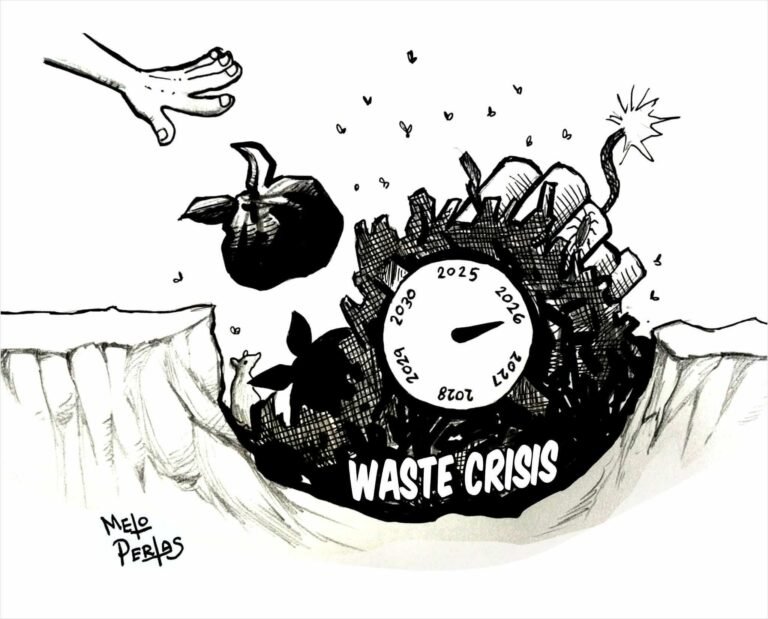
IT HAS BEEN two and a half decades since the worst garbage crisis hit the National Capital Region with the closure of the San Mateo Sanitary landfill in Rizal Province.Twenty five years later, Metro Manila is facing the same dilemma as to where to address the problem  embarking on over 10,000 tons of waste generated daily.

The inability of the government to effectively implement a sustainable solidwaste management  has time and again causing severe floodings and health hazards. 

The situation, particularly in Manila, has been worsened by contract disputes, uncollected waste, and reliance on distant landfills. The crisis is fueled by high single-use plastic consumption and inefficient,, outdated waste management. 

In July 2025, Manila declared a crisis after private contractors halted services due to unpaid, debts, leading to, piles of trash throughout the city. The same problem beset other cities in the region.

Clogged waterways, with 600+ tons of trash, gathered during monsoon, seasons, directly aggravate, flooding in Metro Manila which has been generating over 10,000 tons of waste daily.

Worse, the volume of garbage may soon double by 2030, unless the government seriously consider the idea of strictly implementating Republic Act 9003 (Ecological Sildwaste Management Act).

For one, RA 9003, which mandates waste segregation and management.

However the government would require political will in compelling Metro Manila residents to do their part — segregate waste.

By doing so, we get to reduce waste at source.

Community-based Materials Recovery Facilities (MRF) goes beyond compliance.  These MRFs translate to livelihood too.

Other simple solutions include clean-up drives, and de-clogging operations.

For a long-term solution, we should 

invest in, modern, waste-to-energy technologies, and promoting, circular, economy practices to manage, the, high volume of, plastic waste. 

The time isn’t on our side. We should act now. Not tomorrow or any time in the future.

Villar Business Empire Face Criminal Charges

0

THE ONCE untouchable political dynasty of Manuel Villar, his wife, Cynthia and children – Senators Mark and Camille and Mark Paolo– along with the officers of the Villar Land Holding Corp.– are facing criminal charges before the Department of Justice (DOJ) over alleged market manipulation, insider trading and dissemination of materially misleading disclosures to artificially support the company’s share prices.

Rappler, citing unimpeachable sources, said the complaint against the Villars was filed at DoJ on January 30 particularly delved on marketing malpractices that misled the investing public about the company’s true financial condition.

Aside from the Villars – past and current senators – named respondents are independent directors Ana Marie Pagsibigan and Garth Castaneda for violating section 24.1 (b) of the Securities Regulation Code.

Likewise dragged into the case are Infra Holdings Corp. and MGS Construction, along with their officers Virgilio Villar, Josephine Bartolome, Jerry Navarrete, and Joy Fernandez.

Previously, the Securities and Exchange Commission (SEC) slapped VLC with a whopping P12 million fine for late submission of the 2024 financial statements despite repeated extensions.

“Villar Land and its directors will answer all the allegations leveled against them after formal receipt of the alleged complaint,” the firm told Rappler on Friday.

VLC also provided figures that were prematurely disclosed to the investing public despite the external auditor’s statement saying that the financial statements were not yet fully audited, according to the allegation.

SEC fined P1 million and revoked the accreditation of the VLC appraiser – E-Value Phils. last November over what was referred to as “unreliable valuation reports. “

When the audited financial statements came, they showed that the company assets actually fell to P35.7 billion, which was below the figures given to investors, it added.

Senator Camille Villar, in the complaint, was also accused of insider trading for purchasing 73,600 shares worth P1.43 million in December 2017, hours before a corporate disclosure. In addition, it was also alleged that INFRA Holdings (owned by Manny Villar’s brother, Virgilio) and MGS Construction carried out stock trades that created artificial demand to support Villar Land’s price shares, Rappler added.

The SEC confirmed on January 31 the filing of the complaint against VLC, including its related entities and officers for violation of section 24.1 (d) which prohibits misleading statements, section 24.1 (b) which prohibits price manipulation and section 26.3 that prohibits engagement in fraud securities transactions.

“In this light, the SEC is firm in addressing fraudulent and manipulative acts that mislead the investing public and distort our capital markets. The regulator also enjoins publicly listed companies to uphold the highest standards of good corporate governance to help strengthen and sustain investor confidence badly needed by our capital markets,” SEC Chair Francis Lim stated.

Earlier, market watchers alleged that VLC violated listing and disclosure rules due to the massive surge of its net income and growth. In 2025, the SEC launched its probe into the P1-trillion valuation of VLC, prompted by queries from investors regarding the infusion of new assets into the Villar firm.

SEC chair Lim then said that he wanted the commission to probe any integrity issues of the market, but acknowledged that there were complex technical details to determine alleged illegal acts like insider trading.

VLC’s valuation was put into question after its profits grew to P1 trillion in 2024, from just P1.6 billion in 2023. The firm’s shares have been under trading suspension since May 2025 after it failed to submit its 2024 annual report within the deadline.

VLC said in its disclosure to the to the Philippine Stock Exchange attributed the leap to P1 trillion to the fair value gains to reflect the higher valuation of Villar City properties in the National Capital Region and Cavite.

In 2024, VLC bought almost 400 hectares of land within Villar City — properties also owned by Villar firms Althorp Land Holdings Incorporated, Chalgrove Properties Incorporated, and Los Valores Corporation.

Without these fair value gains, VLC’s operating profit actually fell around 29% or to P1.22 billion due to low sales of its residential properties, Rappler added.

GOOD FOR CAPITAL MARKET

Quoting respectable business editor Val Villanueva in Rappler, he said the outcome of the case against VLC would shape not only the future of the Villar Group but the country’s capital market itself.

The criminal complaint filed by the SEC with the DoJ against Villar Land — formerly Golden MV Holdings Inc. — marks the most serious regulatory action yet in a year-long unraveling of what had once been considered one of the Philippines’ most formidable business empires — and signals an increasingly assertive posture by regulators seeking to restore credibility to the country’s capital markets.

According to the commission, the case centers on Villar Land’s public release of its 2024 financial statements that claimed a dramatic surge in total assets to ₱1.33 trillion and net income of nearly ₱1 trillion that stunned the market and triggered sharp movements in the company’s share price.

The company claimed massive revaluation of its real estate holdings, particularly land within its flagship Villa City development.

But the SEC alleged that those figures were disclosed to investors before the company’s external audit had been completed.

The independent auditor claimed the statements had not been fully audited with respect to property valuations that accounted for nearly all of the reported gains, Villanueva wrote.

When Villar Land subsequently submitted its audited financial statements, total assets stood at just ₱35.7 billion, just a fraction of what was reported. The SEC said the discrepancy was not just technical but materially misleading, considering the market’s reaction to the disclosure.

COORDINATED PATTERN

The complaint further alleged that related companies — including Infra Holdings Corp. and MGS Construction — engaged in trading activities that artificially supported the price of Villar Land shares. Infra Holdings is owned by Virgilio B. Villar, Manny’s brother.

The SEC accused sitting Sen. Camille Villar, a board member, of insider trading for purchasing company shares shortly before a corporate disclosure in 2017 that led to a rise in the stock’s price.

Taken together, regulators said, the actions amounted to a coordinated pattern that distorted price discovery and misled the investing public.

“Villar Land and its directors will answer all the allegations leveled against them after formal receipt of the alleged complaint,” the firm told Rappler on Friday.

Villanueva said the case comes amid mounting scrutiny of conglomerates whose influence has long extended across politics, utilities and capital markets. For decades, the Villar Group’s scale and proximity to power helped it expand rapidly into real estate, water, retail and energy.

While the case formally concerns Villar Land, market analysts say its implications extend far beyond a single stock.

The episode has become a defining test of whether Philippine regulators are prepared to enforce valuation discipline, governance standards and disclosure rules even against the country’s most powerful business families, Villanueva stressed.

For investors, it has also reinforced a lesson that emerged forcefully over the past year: in emerging markets, reputation is not merely a branding asset — it is a balance-sheet item, vulnerable to sudden repricing when accounting assumptions collide with regulatory scrutiny.

The outcome of the complaint will shape not only the future of the Villar Group, but also the credibility of the Philippine capital market itself — at a time when authorities are eager to attract long-term domestic and foreign investment.

Jonvic’s Early Palace Quest

0

BY HIS OWN admission, Interior and Local Government Secretary Jonvic Remulla is keen on the idea of ruling the country when President Ferdinand Marcos Jr. finally steps down in 2028.

But whether or not he becomes a President is all up to him.

In fairness, Jonvic seemed very determined — hyped media exposure on controversial issues like the flood-control scandal, the hunt for fugitives Zaldy Co, Atong Ang, etcetera.

Very recently, Jonvic pulled off a huge PR stunt portraying himself more like a leader — far from the trapo image that his family is known for.

True enough, he became an instant “celebrity.”

Issuing DILG Memorandum Circular No. 2026-006 banning the display of names, photos, and likenesses of public officials on government projects, made him look good.

But taking a closer look at who he really is, Jonvic’s supposed transformation seemed politically charged.

Surfing on the social media, I read a post delving into MC OO6-2026. On paper, it looks bold. In law, it is solid. In principle, it is correct.

In reality, it’s is not about issuing a memo. It’s a question whether or not he could compel the elective officials to comply.

It’s also a question whether or not the bureaus under him would implement his order.

Will the local cops be bold enough to at the very least reprimand the governor, congressman, or the mayor for displaying their faces on tarpaulins, buildings and other locally-funded projects?

For one, the police, the fire service, and local DILG offices are operating daily under the shadow of mayors, governors, and congressmen.

To be perfectly candid, there’s nothing wrong with Jonvic’s memo which embarks on legal foundations — the 1987 Constitution, RA 6713, COA rules and the General Appropriations Act.

There’s just one glitch. Being politically charged doesn’t mean he has the political will.

Colliding head on with governors, congressmen and mayors may spell a political disaster even before he finally makes a formal announcement — a presidential bid.

He does not have the political will. His circular will quietly die because that how PR stunts are designed.

DOTr Shoots Down Torre’s Traffic Plan

0

KNOWN FOR HIS gallant exploits as a police officer, newly-minted Metropolitan Manila Development Authority (MMDA) General Manager Nicolas Torre III suddenly found himself in an environment where his courage and skills don’t seem enough.

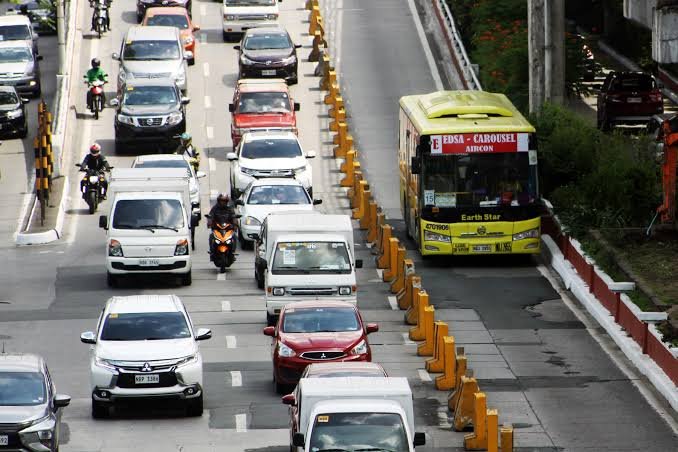
This comes as the Department of Transportation (DOTr) rejected Torre’s proposal to open the EDSA busway to other high-occupancy vehicles to address traffic congestion along EDSA.

Torre made the suggestion after Metro Manila ranked 14th among the worst in the world in the 2025 TomTom Traffic Index.

“One of the things we are thinking of doing — but this is not yet approved — is putting on the drawing table the idea of allowing high-occupancy vehicles with 10 or more people to use the busway,” Torre was quoted in an interview on One News.

NOT TORRE’S IDEA

According to Torre, such an idea could encourage Filipinos to seriously consider the idea of adopting carpooling to ease congestion.

Interestingly, Torre doesn’t seem aware that his proposal has already been floated by MMDA chairman Don Artes who made a similar representation to the DOTr amid plans to to turn the busway into a high-occupancy vehicle lane for cars with three to four passengers.

The MMDA chief also hinted at requiring motorists driving tinted cars to roll down windows to allow AI-powered cameras to count passengers. 

OUTRIGHT REJECTION

DOTr, which had previously turned down the MMDA chief’s request, maintained its position over Torre’s suggestion — the EDSA busway is only for buses.

“The busway was designed primarily to move more people — not more cars — by providing fast and uninterrupted service to buses carrying up to 300,000 passengers daily,” reads part of the DOTr statement.

“Any move to open this lane to private vehicles, even under the guise of carpooling, will inevitably slow down bus operations and defeat the very purpose for which the busway was created,” DOTr Secretary Giovanni Lopez said.

PRESIDENT’S DIRECTIVE

In outrightly rejecting Torre’s proposal, the DITr cited President Ferdinand Marcos Jr’s direction — that “government transport policy must be commuter-focused and pro-mass transit, not car-centric.”

“Kaisa namin ang mga commuters sa pagpapatotoo na mabisang programa ang EDSA Busway para sa mas nakararami. Sapat na dahilan ito para manatiling eksklusibo ang EDSA Busway para lamang sa mga bus at mga komyuter,” Lopez averred.

Early last year, Interior Secretary Jonvic Remulla joined MMDA’s call to scrap the EDSA bus carousel. The DOTr disagreed.

AMLC: Frozen Assets Breach P24.7 Billion

0

SIX MONTHS AFTER news broke out on the systemic corruption embarking on ghost, uncompleted and substandard flood control projects, the Anti-Money Laundering Council (AMLC) has so far frozen some P24.7-billion worth of assets.

AMLC’s list includes 379 bank accounts and 55 real estate properties of companies and persons involved in the trillion-peso flood control scandal.

The AMLC said the total value of frozen assets are those connected to the flood control scandal that was first exposed by President Marcos Jr. in his state of the nation address last July 2025.

The frozen assets consisted of bank accounts, insurance policies, motor vehicles, air assets, real properties, e-wallet accounts, securities accounts and investment accounts. The said figure is expected to increase as the AMLC investigates the assets covered by the latest freeze order.

MOSTLY BULACAN SHAMS

The AMLC said the court froze the bank accounts of two contractors that secured the majority of flood control projects implemented in Bulacan, which were subsequently found to be non-existent, a prominent businessman, and other related persons and entities implicated in anomalous flood control ghost projects.

Aside from the bank accounts and pieces of property, the order also covered four e-wallet accounts, ten insurance policies, nine securities accounts, and ten investment accounts.

“Through our continued investigation into these anomalous flood control projects, the AMLC reaffirms its commitment to safeguarding public resources and sends a clear message that corruption must be exposed at its roots,” AMLC Executive Director Atty. Matthew David said.

PERSONS AND ENTITIES

The AMLC said the assets were found to be linked to violations of the Anti-Graft and Corrupt Practices Act under Republic Act 3019, as well as Malversation of Public Funds under Article 217 of the Revised Penal Code.

Earlier, the AMLC said it had secured freeze orders covering assets worth at least P22.869 billion in connection with anomalous flood control projects.

The earlier freeze orders cover 724 individuals and 537 entities, such as construction companies.

The freeze order covered: P14 billion (6,692 bank accounts); P4.8 billion (10 air assets); P2.1 billion (161 real estate properties); P902.1 million (other investments); P490 million (394 insurance accounts); P445.2 million (229 motor vehicles) and P400,639 (16 e-wallet accounts).

The AMLC said it may file a forfeiture case for the return of the assets after six months.

ICI AIN’T DEAD YET

The Independent Commission for Infrastructure (ICI) Project Investigation Task Force (PITF), meanwhile, convened on Friday to discuss several key issues on anomalous flood control projects.

In a statement, the ICI said that the 5th PITF meeting tackled the latest updates on the probe into the anomalous flood control projects, including the top 15 contractors named by President Ferdinand Marcos Jr.

The meetings, held every two weeks, were attended by the PITF members, who are representatives from the Philippine National Police–Criminal Investigation and Detection Group, National Bureau of Investigation.

PITF is in charge of conducting the verification and investigation of evidence and inspections relating to the anomalous flood control projects.

Low 2025 GDP Growth Exposes Cracks In Governance

0

“Without a strong industrial backbone, the economy risks overdependence on services, which cannot fully absorb employment demand or provide the production base for global competitiveness,” Federation of Philippine Industries (FPI) chair Beth Lee said.

THE DISMAL GROSS domestic product (GDP) growth in the third quarter and for full-year 2025 laid bare the government’s persistent failures, exposing deep cracks in governance in the Philippines that, if left unaddressed, will inevitably drag the economy down further.

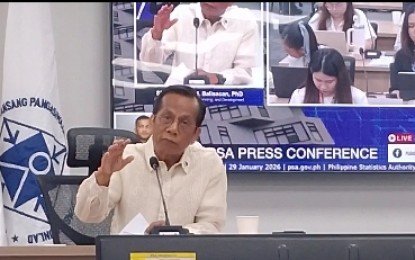
The Philippine Statistics Authority (PSA) reported that full-year gross domestic product (GDP) growth slumped to a disappointing 4.4 percent this year, sharply down from the 5.7 percent recorded in 2025.

Meanwhile, fourth-quarter GDP growth fell to a weak 3 percent, a clear deterioration from the 3.9 percent posted in the previous quarter.

Clearly, the flood control scandal was a major contributor to the economic slide, and it should have compelled the current administration to decisively jail those responsible instead of allowing impunity to persist.

“Admittedly, the flood control corruption scandal also weighed on business and consumer confidence,” Department of Economy, Planning and Development (DEPDev) Secretary Arsenio Balisacan said Thursday.

“Public and private construction, as well as private consumption were particularly affected during [the fourth quarter],” he added.

At the same time, the dismal performance of the Philippine industrial sector stems from the chronic failure of past administrations to establish incentives, infrastructure, and other critical measures needed to attract foreign investments and fast-track industrialization.

“Without a strong industrial backbone, the economy risks overdependence on services, which cannot fully absorb employment demand or provide the production base for global competitiveness,” Federation of Philippine Industries (FPI) chair Beth Lee said.

“Revitalizing Industry means making our factories, construction sites, and energy systems resilient to shocks and capable of delivering inclusive growth nationwide,” she said.

Beyond the flood control scandal, Balisacan blamed the slowdown on weather- and climate-related disruptions and global economic uncertainties that further weakened construction activity and private consumption. Domestic demand growth crawled to just 0.7 percent in the fourth quarter, while full-year expansion reached a lackluster 3.7 percent.

As a result, Balisacan underscored the urgent need to restore investor and consumer confidence through governance reforms, tougher accountability, better project quality, and a more disciplined use of public funds.

He also pointed to the necessity of strengthening disaster preparedness, early warning systems, and the operational capacity of the state weather bureau.

On infrastructure, he said the government would rush the completion of ongoing projects while tightening anti-corruption safeguards to prop up economic recovery and pursue more sustainable growth.

“These reforms protect public funds, strengthen our institutions, build a more resilient, inclusive economy, and ultimately, rebuild trust between government and the people we serve,” Balisacan said.

INDUSTRIAL REVIVAL NEEDED

For her part, Lee emphasized the pressing need to revive the industry sector, especially manufacturing, which eked out a mere 2.5 percent growth last year, driven largely by consumer goods demand and automotive-related activities.

Lee said the contraction of the industry sector last year “reveals structural weaknesses in construction, mining, and utilities” — sectors that are crucial for job creation, infrastructure expansion, and energy security.

She added that “the numbers underscore the urgent need to strengthen the country’s industrial base to secure resilience and competitiveness.”

Meanwhile, the Philippine Institute for Development Studies (PIDS) has repeatedly pointed out that the country’s services sector is dominated by low value-adding activities such as retail.

“The statistics are stark. While the services sector has been the main driver of economic growth, with a 6.3-percent growth in the first quarter of 2025, it is largely comprised of low-value-added activities such as wholesale and retail trade, repair of cars and motorcycles, and financial and insurance activities,” PIDS said in a statement in June last year.

“These sectors, although important, do not have the same potential for growth and job creation as a robust manufacturing sector,” it added.

However, the current administration’s lukewarm and inconsistent support for the Revitalizing the Automotive Industry for Competitiveness Enhancement (RACE) sends a confusing and counterproductive signal about its supposed commitment to industrialization.

Funding for RACE was stripped under the General Appropriations Act for 2026, with talks are ongoing to reinstate it using the Department of Trade and Industry’s budget.


This hesitation is baffling, considering that the automotive industry is globally recognized as a powerful job generator, where a single job in a car factory can create up to 10 indirect jobs.

Must We Fear Nipah Virus?

0

MANY AIRPORTS IN Asia, Europe and the United States are vigilantly screening and  securing their gateways from nipah virus – a zoonotic disease coming from a Malayan flying fox (Pteropus vampyrus), a Southeast Asian species of megabat that feeds on flowers, nectar and fruit. The World Health Organization (WHO) confirmed that nipah virus can be transmitted through several pathways, including animals to humans (through fruit bats via contaminated food) or directly between humans.

Already, the Department of Health (DOH) announced it is preparing for the possible entry of the virus following reported outbreaks in India and Bangladesh. 

The virus is not new in the country as 17 cases had been detected in Sultan Kudarat in 2014 after some people ate horse meat, according to the DOH.

Outbreaks of the Nipah virus in pigs and other domestic animals such as horses, goats, sheep, cats and dogs were first reported during the initial Malaysian outbreak in 1999. The virus is highly contagious in pigs. Pigs are infectious during the incubation period, which lasts from 4 to 14 days.

No cases were seen after that and the DOH continues to monitor through its Epidemiology Bureau.

The DOH said seasonal outbreaks occur in Bangladesh and India, and there have been five confirmed cases in West Bengal, India.

Around 100 close contacts are being monitored in the South Asian country.

“Initial symptoms may include fever, headaches, muscle pain, vomiting and sore throat. In some people, these may be followed by drowsiness, altered consciousness, and pneumonia… To date, no drugs or vaccines have been approved to treat the disease.”

NO DRUGS OR VACCINES

The symptoms include flu, but could also lead to swelling in the brain or encephalitis and meningitis acquired by eating horsemeat and having interaction with a sick person, the DOH said.

Initial symptoms may include fever, headaches, muscle pain, vomiting and sore throat. In some people, these may be followed by drowsiness, altered consciousness, and pneumonia.

Encephalitis, a sometimes-fatal condition that causes inflammation of the brain, may occur in severe cases. 

To date, no drugs or vaccines have been approved to treat the disease.


While human infections can arise through direct contact with an infected animal and their secretions, many infections result from the consumption of fruits or fruit products (such as raw or partially fermented date palm juice) contaminated with the poo, urine or saliva of infected fruit bats. Date palm juice is often known as Khejur Juice when raw and as Tari or Khajuri Tadi when fermented, according to a blog of the UK Health Security Agency.

Person-to-person spread is possible through close contact with an infected person or their body fluids. This has been documented in Bangladesh and India, most commonly among family members and close contacts caring for infected patients. Those with respiratory symptoms may pose a transmission risk, UKHSA said.

The incubation period (the time between becoming infected and symptoms appearing) is typically 4 to 21 days, though longer periods have occasionally been observed.

Aside from flu-like illnesses, the most serious complication is encephalitis (inflammation of the brain) or meningitis, which typically develops 3 to 21 days after the initial illness begins. This is the hallmark of Nipah infection and is associated with a very high mortality rate.


It is estimated that between 40 and 75% of people infected with Nipah virus will die. Some survivors may be left with lasting neurological difficulties, including persistent seizures and personality changes. In rare cases, the virus can reactivate months or even years after the initial infection.

ON TIGHT WATCH

Thailand has started screening passengers at three airports that receive flights from West Bengal. Nepal has also begun screening arrivals at Kathmandu airport and other land border points with India.


On Sunday, Thailand started screening passengers at three international airports in Bangkok and Phuket that receive flights from West Bengal. Passengers from these flights have been asked to make health declarations. The parks and wildlife department has also implemented stricter screenings in natural tourist attractions.

Jurai Wongswasdi, spokeswoman for the Department for Disease Control, told BBC Thai authorities are “fairly confident” about guarding against an outbreak in Thailand.

Nepal, too, has begun screening people arriving through the airport in Kathmandu and other land border points with India.

Meanwhile, health authorities in Taiwan have proposed to list the Nipah virus as a “Category 5 disease.” Under the island’s system, diseases classified as Category 5 are emerging or rare infections with major public health risks that require immediate reporting and special control measures.

The WHO has described Nipah in its top ten priority diseases, along with pathogens like Covid-19 and Zika, because of its potential to trigger an epidemic.

MISPLACED CONFIDENCE

Since the Philippines has had Nipah virus in Mindanao in 2014 and contained it then, the country is now more prepared to deal with it, said the Department of Health.

The virus is not new to the Philippines, healthspokesman Albert Domingo told ABSCBN. “Sa Sultan Kudarat. Ang nakita natin doon is yung mga tao na nahawa ay kumain ng laman ng kabayo. So kaya siya tinawag na zoonotic at tumatawid siya mula sa isang hayo papunta sa tao.”

Domingo reminded people to make sure that when consuming meat, this must be well cooked and sourced only from accredited suppliers by the National Meat Inspection Service. 

The DOH also advised the people to avoid getting near bats or other sick animals. The virus can contaminate even pets like dogs, cats, pigs, sheep, goats and horses.  

DOH added that they are in close coordination with the Bureau of Quarantine at the Ninoy Aquino International Airport and other major airports and seaports. “There is no need to raise the alert, just close monitoring.”

An outbreak of the deadly Nipah virus in India’s West Bengal state has sparked concern in parts of Asia, with some tightening screening measures at airports. Two cases have been confirmed in West Bengal since December, reportedly in healthcare workers. Some 196 people who were in contact with them have been traced and tested negative for the virus, India’s health ministry says.

People who contract the virus show a wide range of symptoms, or sometimes, none at all.

PAST OUTBREAKS

The first recognized Nipah outbreak was in 1998 among pig farmers in Malaysia and later spread to neighboring Singapore. The virus was named after the village where it was first discovered. More than 100 people died and a million pigs culled in an effort to contain the virus. It also resulted in significant economic losses for farmers and those in the livestock trade.

Bangladesh has borne the brunt in recent years, with more than 100 people dying of Nipah since 2001.

The virus has also been detected in India. Outbreaks were reported in West Bengal in 2001 and 2007.

More recently, the southern state of Kerala has been a Nipah hotspot. In 2018, 19 cases were reported of which 17 were fatal, and in 2023, two out of six confirmed cases later died.

India’s health ministry said that following confirmation of the cases in West Bengal, contacts of the infected individuals were “identified, traced, monitored, and tested” – and had been found to be asymptomatic.

“The situation is under constant monitoring, and all necessary public health measures are in place,” the ministry said.

Human outbreaks of Nipah virus have only been identified in South and South-East Asia, primarily in rural or semi-rural locations. Countries with previously reported outbreaks include:

• Bangladesh (where cases have occurred almost annually since 2001)

• India (including outbreaks in Kerala in Southern India since 2018, and a current outbreak in West Bengal)

• Malaysia

• The Philippines (in 2023)

• Singapore

Treatment is limited to intensive supportive care for those with severe infections.

PREVENTION, CAUTION

For those travelling to endemic areas, prevention focuses on avoiding exposure:

• avoid contact with bats and their environments, and sick animals

• don’t consume raw or partially fermented date palm sap – if consuming date palm juice, ensure it has been boiled first

• wash all fruit thoroughly with clean water and peel before eating; avoid consuming fruit found on the ground or fruit that appears to have been partially eaten by animals

• wear protective clothing and gloves when handling sick animals and during slaughter and culling procedures

• practice good hand hygiene, particularly after caring for or visiting sick people

• avoid close, unprotected contact with anyone infected with Nipah virus, including contact with their blood or body fluids

In healthcare settings, strict infection prevention and control measures are essential, including contact, droplet and airborne precautions for both suspected and confirmed patients.

Under DoH guidelines, surveillance measures include identification of high-risk areas, event and wildlife-based surveillance  and screening of passengers for possible symptoms at points of entry. Domingo emphasized the urgency of correctly filling out e-travel forms especially for those arriving in the country.

With mechanisms from the recent pandemic remaining relatively fresh, especially for those deeply impacted by it, health experts say that panic should be the last thing on everyone’s minds. 

Instead, the public should understand that every health event is about preparedness, that means knowing how it spreads, its symptoms and how prevention works are what will actually save lives even before an outbreak reaches communities.

VIP Healthcare For Sickly Elders

IN THE LAKESHORE town of Angono, Rizal—best known for its vibrant arts, murals, and cultural heritage—public service has taken a quietly transformative turn. This time, the spotlight is not on art, but on healthcare that literally walks through the front door.

Through its pioneering Doc-to-Door Program, the Angono local government has redefined how medical services reach senior citizens and residents with limited mobility.

Under the guiding principle, “Kung hindi makakapunta ang pasyente sa health center, gobyerno ang lalapit,” the program ensures that no elderly or bedridden resident is left behind simply because they cannot travel.

ESSENTIAL HEALTHCARE

Spearheaded by the Angono Municipal Health Office (MHO), the initiative delivers essential healthcare services straight to patients’ homes—removing physical, financial, and emotional barriers that often prevent the most vulnerable from seeking medical attention.

Mayor Gerardo Calderon described the program as a proactive and humane approach to public health.

“It is the mandate of government to ensure quality medical services for all,” he said. “Those who are bedridden or elderly individuals who have difficulty walking should no longer suffer just to receive medical care.”

GOVERNMENT MANDATE

“It is the mandate of government to ensure quality medical services for all. Those who are bed-ridden or elderly individuals who have difficulty walking for whatever reason should no longer be made to suffer or struggle just to receive medical care,” Calderon said.

The mayor also called on family members and caregivers of eligible patients to coordinate with their respective Barangay Health Centers, which serve as partners of the local government in implementing the program.

He likewise encouraged the public to stay informed through the official Angono Public Information Office Facebook page.

KNOCK OF COMFORT

“With every knock by the Angono MHO Team, we bring comfort, hope, and better health to every household. Do not miss the opportunity to receive medical services in the comfort of your own home. Enroll now in the Doc-to-Door Program,” Calderon concluded.

The program was formally launched as a pilot on December 3, 2025, and quickly demonstrated its effectiveness.

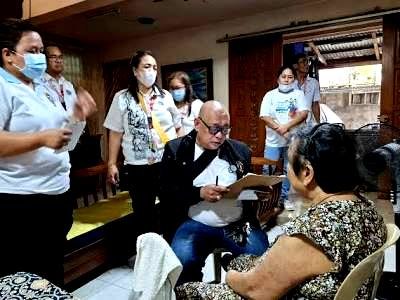
Initial home visits in Barangay San Pedro provided senior patients with free medical consultations, vital signs monitoring, basic laboratory examinations, professional prescriptions, and free medicines from the MHO’s available stock. Within weeks, the initiative expanded to cover patients in other barangays, including Barangay Kalayaan.

DOC-TO-DOOR PROGRAM

At the core of the Doc-to-Door Program are mobile medical teams composed of municipal doctors, midwives, and Barangay Health Workers (BHWs). These teams are equipped with specialized medical bags distributed across Angono’s ten barangays, allowing them to conduct on-site assessments and immediate care during home visits.

Beyond basic consultations, the program offers home-based laboratory testing, direct access to prescriptions, free medicines, and localized follow-ups for patients with chronic or mobility-limiting conditions.

Continuous monitoring helps ensure treatment adherence and early detection of health issues that might otherwise go unnoticed.

JUST A CHAT AWAY

Enrollment into the program is designed to be inclusive and accessible. Residents may register through their respective Barangay Health Centers, via an online registration form, or by directly messaging the Angono Public Information Office on Facebook.

Family members and caregivers are strongly encouraged to coordinate on behalf of eligible patients.

Real-world impact has been evident. On January 12, 2026, medical teams conducted successful home visits for six patients in Barangay Kalayaan—one of many routine operations now embedded in Angono’s local health system.

Each visit not only brought medical care but also reassurance, dignity, and hope.

WORTH EMULATING

The success of Angono’s Doc-to-Door Program positions it as a role model for barangay-level replication nationwide.

The Department of the Interior and Local Government (DILG) has long encouraged LGUs to adopt community-based health solutions, while the program’s structure aligns seamlessly with the Universal Health Care (UHC) Act under Republic Act No. 11223, which prioritizes accessible primary care.

HEALTH SCORECARD

Health outcomes and efficiency are measured using standard DOH LGU Health Scorecard indicators, including patient reach, satisfaction levels, turnaround time, and reduction of congestion at municipal health centers.

Early detection rates and improved health stability among chronic patients further underscore the program’s value.

While there is no official nationwide mandate yet, Angono’s experience offers a compelling blueprint. It shows that with political will, barangay integration, and people-centered governance, healthcare does not always require grand hospitals—sometimes, it simply requires a knock on the door.

PhotoWorld Asia 2026: Where Trends, Stories, and Technology Converge

0

THE PHILIPPINE’S LONGEST-running and most prestigious photography convention returns in grand fashion as the Federation of Philippine Photographers Foundation, Inc. (FPPF) officially launches PhotoWorld Asia 2026 (PWA 2026)—a four-day celebration of photography, video, and content creation set from January 29 to February 1, 2026. Hosted across two major Makati venues—the Glorietta Activity Center and the AIM Conference Center—the event promises to be the most expansive gathering yet for visual storytellers in the region.

TRENDS, STORIES AND TECH

Carrying the theme “Trends. Stories. Technology.”, PhotoWorld Asia 2026 reflects the evolving landscape of imaging, where photography now intersects seamlessly with filmmaking, digital content creation, artificial intelligence, and social media-driven storytelling.

Recognized by the city’s official “Make It Makati” media channel as the biggest photography convention in Metro Manila, the event strengthens Makati’s position as a thriving hub for arts and culture.

GLOBAL MASTERS, ONE CREATIVE STAGE

At the heart of PWA 2026 is its impressive lineup of international masters of photography, invited by FPPF to share expertise, insights, and inspiration.

Leading the global roster is Hanson Fong (USA), an internationally acclaimed wedding and portrait photographer known for blending artistry with business mastery.

Joining him are Lewis Choi (Hong Kong), a respected authority in street photography and visual storytelling; Yusuf Hashim (Malaysia), celebrated for his global travel imagery and digital artistry; and Harry Woo (Malaysia), a veteran industry master and longtime collaborator of FPPF, according to the announcement made by Mrs. Eduviges “Edi” Huang, FPPF Chairwoman during the launching of Photo World Asia 2026.

These global experts will headline the Photo-Video Convention and International Seminar Series at the AIM Conference Center, conducting masterclasses and lectures from January 29 to February 1.

PHI CREATIVE POWERHOUSES

Mr. Victor “Vic” Sison, the President of FPPF and Head of Education, introduced the PWA 2026 speakers. Complementing the international speakers is a strong lineup of distinguished Filipino creatives.

Award-winning film director Mark Meily and respected photojournalist Yummie Dingding bring real-world storytelling perspectives shaped by years of industry experience. Franz Lopez, founder of Born in Film, will deliver the keynote “Beyond the Shutter,” examining how photography now extends into podcasting, filmmaking, and community building.

Also joining the roster are Abi Miguel, a fine art photography specialist; Orlando “Orlee” Ninon, who will explore the growing role of Artificial Intelligence in photography; and Nigel Ian Laxamana, who will conduct an interactive session on camera rigging and technical workflows.

TRADE FAIR AND HANDS-ON INNOVATION

Running parallel to the convention is a major photography trade fair at the Glorietta Activity Center, free and open to the public.

Industry giants such as Sony, Canon, Fujifilm, Nikon, Lumix, Camerahaus, Henry’s, and many others will showcase cutting-edge gear, including hands-on demos of the Sony Alpha 7 V and limited-edition Yashica x Peanuts digital cameras.

Participants can also experience live portfolio shoots with professional models at the Midnight Dream Studio in K-Park, Glorietta 1, offering creatives a rare opportunity to practice and refine their craft in a professional setup.

EDUCATION, ACCESS AND COMMUNITY

While the trade fair is free, the three-day educational seminar is priced at ₱5,000, with a discounted ₱4,000 rate for students, seniors, and persons with disabilities.

Registration is available through the official FPPF channels.

“PhotoWorld Asia 2026 is where photography evolves beyond the frame,” said Jam Ramos, PWA 2026 Chairperson. “We are creating a space where passion for storytelling meets the latest in creative technology.”

A LEGACY OF VISUAL EXCELLENCE

Founded in 1987, the Federation of Philippine Photographers Foundation remains committed to advancing photography through education, exhibitions, and professional development.

With PhotoWorld Asia 2026, FPPF once again affirms its leadership in shaping the future of visual storytelling—not just in the Philippines, but across Asia.

)

The Real Rags To Riches Story

1

WHILE MANY RAGS to riches story romanticize the struggle from nothingness to wealth, the story of Romeo “Meo” Malasaga, who turned 60 last October, was that of a vagabond who lost the only person who cared for him, his grandmother, at age 10. From then, he had to fend for himself – wandering from town to town and farms doing odd jobs for a roof over his head even just one meal each day.

Meo is an only child but his mother abandoned him and his real father, who had other children from other relations, left them for another woman. It was very unfortunate that his lola died when he was barely out of gradeschool.

Meo was in school up to Grade 4 but attended classes only on Monday. The rest of the week, he helped his grandmother tend to the farm by the hillsides to make ends meet. Meo did not really have the chance to learn to read and write. This weakness earned for him raw deals in various odd jobs.

But Meo possessed an innate entrepreneurial skill. He sold vegetables, fruits, salt, and root crops, most of which he picked along the way, in Burauen town or on makeshift tables by the road.

His mother, who demanded much from him although she never supported Meo, was regularly supplied rice and fish. Meo did not maintain rancor over this.

When his lola died, he ventured farther with only the clothes on his back and no footwear. Meo vowed to try his best to survive and never to give up.

“Meo was frugal. He saved and was able to buy a bicycle, then a motorcycle and a multicab.
From photo business, he ventured into catering, among other businesses. With the guarantee of his Chinese friend, Meo was able to purchase a Mitsubishi Adventure and two trucks.”

QUEST FOR EDUCATION 

Meo was really obsessed to learn to read and write. His aunt, a Home Economics teacher from Barangay Buri in Dagami town, Leyte convinced him to pursue his elementary studies. He got his report cards in Barangay San Ildefonso and enrolled in Grade 5 even if he was already 14.

When she has the time, his aunt tutored him. His younger classmates, who were four years younger, exerted effort after school to teach him to read and write.

At 15, he finished the grades and enrolled in a nearby high school. He was already 20 when he got his HS diploma.

BUSINESS START-UP

At age 13, on weekends, he would take a tricycle from Dagami to Burauen where an uncle-in-law who had a photo studio just across the Immaculate Conception Parish church. He asked his uncle to teach him to shoot photos, develop, print, and deliver to clients. Meo earned P5 per day.

He used his uncle’s camera in shooting weddings, baptisms, and burials in church.

Meo’s uncle actually disliked him and refused to make him stay in the studio at night. So he slipped into the convent for the night.

At first, Msgr. Estanislao Abarca, the parish priest, berated him for sleeping there. Eventually, Msgr. Abarca agreed to let him stay provided that Meo attended to the priest’s daily coffee habit, mopped the altar and convent floors, and performed as sacristan during masses. Then, he was given a space in the seminarians’ room.

Because of his skill, Msgr. Abarca lent him a camera and “appointed” him as the “official” photographer for church events. Meo then returned his uncle’s camera.

When the parish priest was transferred to Carigara, Leyte, he left his camera with Meo.

To augment his income, Meo scouted for photography opportunities outside Burauen to as far as Tacloban City.

In Tacloban, a rich Chinese businessman offered him a camera on easy installment plan and donated P5,000 as initial capital for his photography business.

VENTURE INTO CATERING

Meo was frugal. He saved and was able to buy a bicycle, then a motorcycle and a multicab.

From photo business, he ventured into catering, among other businesses. With the guarantee of his Chinese friend, Meo was able to purchase a Mitsubishi Adventure and two trucks.

During his numerous photo consignments in Tacloban, Meo keenly observed the catering business, took coaching from experts, and hired a chef who became his operations manager.

Meo invested in tables, chairs, ornaments, and established a well-equipped kitchen. As for dining staff, he hired good-looking foreigners as waiters and assigned them to different areas. He dressed them up with decent uniforms and leather shoes. First hired was a young British, who was just assisting fishermen with no permanent residence. This waiter still works in his resort, Camp Kawayan, and married a Filipina. Next was one of German-descent, then another British, two Indians, a Black American, and a Japanese. They became fluent in Waray.

Meo was an innovator. He was the first in catering business in this part of Leyte. Soon, competition became stiff.

MORE ACQUISITION

Meo thought of how to be propitious in handling his funds.

To support his catering business, he maintained rice and vegetable farms and piggery. With his earnings and strong will, he acquired – through installment – four hectares of lands for food crops and piggery. In it, he built Camp Kawayan Resort.

Meo and his businesses was not spared by Typhoon Yolanda (Haiyan) that devastated most of Leyte and Western Visayas in November 2013. It was a total wipe out damage to his piggery and farm.

Since Tacloban and this part of Leyte was badly hit, even if they had the money, food and supplies were nil. But ingenuity, by planting cash crops, Meo and his neighbors survived.

CLASSIC GENEROSITY

Meo is popular for his classic generosity.

When his businesses recovered, he managed rebuilt his house, renovated his bodegas, two function halls, swimming pools, and cabanas all in Camp Kawayan.

He also made sure that his mother, stepfather and his half-siblings land each to build their houses.

Meo’s cousins who worked for him also had land to farm and build their homes in. These are not dole outs. All earn by working for him
as cooks, messengers, waiters, housekeeping, maintenance, and farmhand. 

Each semester, he also helps train students from at least three schools in Leyte. He fed them and provided them token allowances. At any given day, Camp Kawayan has at least 200 people moving around and helping in the resort’s operations.

FUTURE PLAN

Without sacrificing his current businesses, Meo plans to put up a gasoline station along the main road of Dagami.

Who would ever imagine that a vagabond like Meo could someday run a huge and diversified business in Leyte– even though most of his relatives at first did not help him but clung to him for subsistence.

“I do not harbor any ill feelings toward anyone. I focus solely on business and how to keep improving with God solely by my side,” he told us.  

Did AFP Know They Were Bombing Mangyan Communities?

2

ON NEW YEAR’S Day, 2026, the AFP’s 203rd Bantay Kapayapaan Brigade headed by Brig. Gen. Melencio Ragudo, carried out what the advocacy group Kalikasan People’s Network called “indiscriminate bombings and strafing” in Sitio Mamara, Barangay Cabacao, Abra de Ilog town, Occidental Mindoro.

About 191 families from the indigenous group IrayaMangyan, composed of at least 782 individuals, had to flee their mountain communities and sought temporary shelter from the local government. 

According to the AFP, they engaged New People’s Army fighters, despite the fact that the NPA declaredway back in December 2025 that its forces were observing a unilateral ceasefire. A suspected rebel was killed, and two soldiers were wounded.

“Why does the AFP seem to find it suspicious or wrong for young people to be going to far-flung communities to immerse themselves with the indigenous Filipinos, to observe and document their living conditions, and see how they can be helped by government or NGOs?”

TERRORIZED IPs

The Kalikasan People’s Network issued a statement saying that residents, particularly the Mangyan communities, were “terrorized” during the military operations. 

The suspected rebel, later identified by the National Democratic Front (NDF) in Mindoro, as Jerlyn Rose Doydora was part of a group visiting indigenous peoples, farmers and NPA units to document local conditions and peace initiatives.  In other words, she was there to find out what the government or NGOs may be able to do to help them somehow to raise theirfamilies’ standard of living as a community. 

QUESTIONS

The incident raises questions in the minds of people of goodwill, such as: “Why is the AFP bombing and strafing communities in hinterlands where the indigenous people live? Isn’t the AFP aware that these people, who live in the fringes of towns and cities, are considered the original native Filipinos and have in fact been neglected for decades by government?

Given their current difficult living conditions, government officials should have been giving themspecial attention by providing them ample and appropriate programs of employment or livelihoods, education and health care. 

What is alarming is that: is the AFP following its bloody formula during the Marcos Sr Martial Law regime of bombing and strafing barangays in Mindanao?

EXCESSIVE FORCE?

Why does the AFP have to resort to use excessive force, apparently to practice utilizing its arsenal of heavy artillery on Filipino communities? 

Isn’t the AFP aware that its bombing and strafing can end up as a massacre of Filipinos? (Remember the Palimbang Massacre?) Why does the AFP seem to find it suspicious or wrong for young people to be going to far-flung communities to immerse themselves with the indigenous Filipinos, to observe and document their living conditions, and see how they can be helped by government or NGOs? Is the AFP simply following their armed role in the red-tagging and terror-tagging operations of the NTF-ELCAC, targeting rural communities?  

The people really wonder, in retrospect, why the AFP, with its highly superior firepower, not to mention its thousands of highly trained ground troops, refuse during the Christmas season to respond to the NPA’s goodwill of declaring a ceasefire, as the usual practice in the past? Isn’t the AFP mandated to protect and serve the people, just like the PNP? 

Are these bombing and strafing operations by the AFP on rural communities of indigenous Filipinos a direct command from President/Commander-in-Chief?

Dredging Ops In Zambales Mask Fishing Modernization – PAMALAKAYA

0

SAN ANTONIO, ZAMBALES — With the provincial government set to roll out its multi-million peso fishing modernization program, a fishers group has cautioned that the initiative could be used to divert attention from ongoing dredging activities that potentially destroy municipal waters and coastal livelihoods.

The Pambansang Lakas ng Kilusang Mamamalakaya ng Pilipinas (PAMALAKAYA) has aired the warning even as the Zambales provincial government announced its plans to modernize fishing in the province with better technology to upgrade fishing methods and increase marine harvest. 

Last week, during his State of the Province Address (SOPA), Zambales Governor Hermogenes Ebdane Jr. said that dredging and quarrying remain the province’s main sources of income, noting that revenues from these activities continue to fund priority programs and the province’s General Fund.

“According to PAMALAKAYA,… while (it) recognizes the need to modernize fishing technology, a stoppage on dredging and quarrying activities in the coastal area of the province would provide more immediate and lasting benefits to local fishermen.” 

But the dredging and quarrying operations have faced opposition from some residents and environmental groups, who have raised concerns about their potential impact on coastal communities, marine ecosystems, and farmlands.

According to PAMALAKAYA vice chair Ronnel Arambulo, while his group recognizes the need to modernize fishing technology, a stoppage on dredging and quarrying activities in the coastal area of the province would provide more immediate and lasting benefits to local fishermen. 

“While we recognize the urgent need for modernization to make the most of our territorial waters, the government must, foremost, preserve the municipal waters and coastal resources,” Arambulo disclosed.

“We urge the local fisherfolk in Zambales to be cautious of the provincial government’s attempt to use the donated fishing boats as a cover-up of its accountability over the continued destructive dredging project in the province,” he added. 

The fishers group reiterated its call for the revocation of Department Administrative Order (DAO) 13, which it claimed enables seabed quarrying and dredging activities that have been damaging tradition fishing grounds and has displaced coastal communities in several towns of the province.