


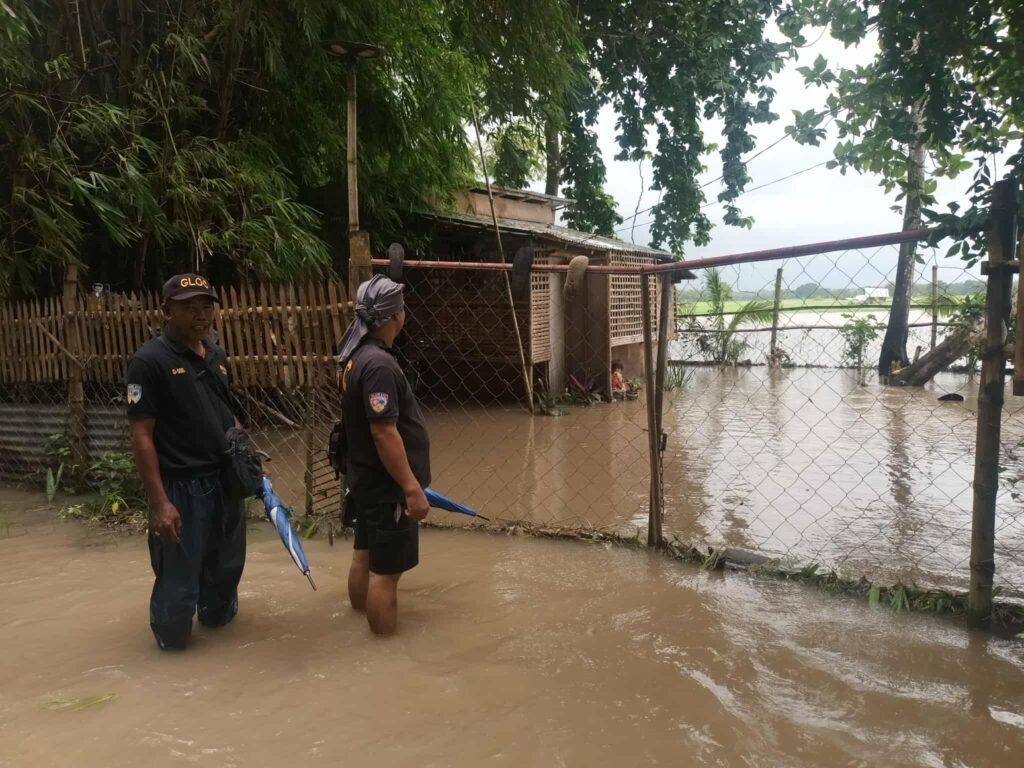
BY NOW, FLOODS in the Philippines feel as familiar as family reunions—only louder, messier, and with far more damage. Every rainy season, the same old scenes play out: ankle-deep water in your sala, car-turned-kayak on EDSA, and barangays transformed into lagoons. If there’s one thing we know, it’s this: floods don’t knock anymore. They walk right in like they own the place.
We know the rains are coming. We know our roads are cracked and creeks clogged like arteries after decades of sisig. We know typhoons are as regular as barangay basketball tournaments. And yet, every year, we act surprised.
And here’s the kicker: the government also knows. But knowing isn’t the problem—it’s doing something that actually works.
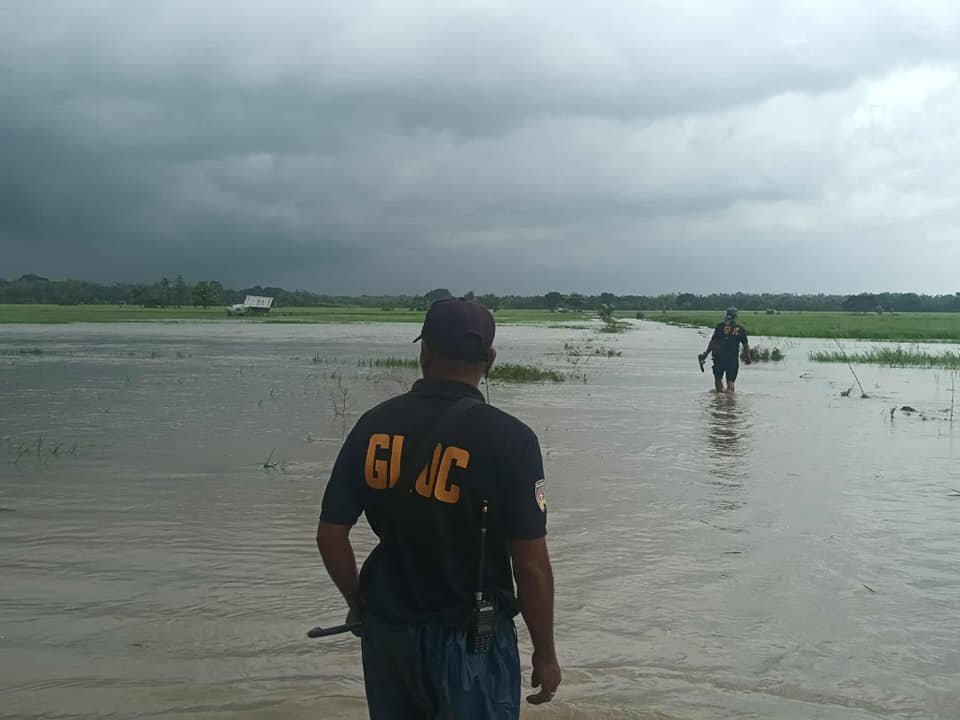
Flood control budgets balloon with every storm season, but results? Still underwater. Economist JC Punongbayan quips, “Why is the budget invisible?” A question many flood-soaked Filipinos ask while bailing out their homes with tabo and tears. It’s like we’re stuck in a loop of cash flow without water flow control.
Modernization hasn’t helped much either. If anything, it’s made things worse. In our obsession with high-rise dreams and wide concrete roads, we’ve buried centuries-old waterways under malls and subdivisions. Natural drainage is now just a line in history books. And when it floods? Blame it on the rain? Nah—blame it on poor planning, overbuilding, and garbage-choked rivers.
We’ve also unlearned hard lessons. We forget that massive budgets don’t mean progress, especially when corruption is the deepest flood we’re drowning in. That fancy new road you praised last year? It was raised—but the drainage wasn’t. Now it’s a moat. Because slapping cement on a problem doesn’t fix it—it just raises the water to new heights. Literally.
We cling to the myth that capitalism will save us. But don’t expect mega developers to build storm-resilient communities. They build for profit, not percolation. And without strong zoning laws and environmental enforcement, water will continue to overflow—right into our living rooms.
So what now? Wait for Noah? Build another ark?
No. What we need is a shift—from survival mode to steward mode.
Let’s demand real transparency. Not another press release with a billion-peso price tag, but GPS-tagged, completed infrastructure that people can see, feel, and walk over without sinking.
Let’s empower local governments and communities—not just Metro Manila, but flood-prone provinces with mangrove reforestation, creek revival, and barangay-based early warning systems.
Let’s stop pretending we’re helpless. Filipino ingenuity is unmatched. In Marikina, a teen used a boat to deliver rice to neighbors when the streets became canals. In every storm, community kitchens emerge, organized by neighbors and NGOs, proving that bayanihan still floats.
Urban planning shouldn’t mean just making the city bigger—it should make the city breathable. Bring back green zones. Use roads as dual-purpose floodways. Incentivize rainwater harvesting. And seriously, let’s bring back percolation trenches and “sacrificial gardens.” Because another faulty flyover isn’t going to drain the next habagat.
The stories tell it best. Street sweeper Avelina Lumangtad, 61, still doing her rounds amid calf-deep water, says, “This is hard… the floods are dangerous.” Teenager Angelo Dela Cruz had to use a boat instead of a van just to keep rice deliveries dry. Meanwhile, a Reddit user nails it: “It’s not that we don’t have drainage. It’s that we dump trash into it.”
And that’s the raw truth: no amount of modernization can replace the discipline we still struggle to embrace.
So here’s the punchline: floods are no longer just natural disasters. They’re political, social, and ethical ones too. They expose weak leadership, broken systems, and our collective apathy. But they also reveal our strengths—resilience, solidarity, and that odd but powerful ability to smile through soaked shoes.
We don’t have to accept drowning as our fate. We’re not just survivors—we’re builders, innovators, storytellers. We can rise above the waters—but only if we stop waiting for miracles and start demanding accountability, building smarter, and loving our land enough to protect it.
Because while we may be drenched, we are not defeated. And this storm? It’s not the end. It’s the wake-up call.