FOR THE PROTECTION OF PDLs. While PAGASA has warned of rising temperatures at the onset of the summer season, the Bureau of Jail Management and Penology intensified efforts to safeguard persons deprived of liberty (PDLs) and ensure smooth operation of jail facilities nationwide. BJMP chief Jail Director Ruel Rivera ordered all jail facilities to implement strict heat mitigation measures and to closely monitor their health conditions, particularly in the National Capital Region where temperature is high and overcrowding pose serious risks. He stressed on the need for proactive interventions to prevent heat-related illnesses and maintain the welfare of those under BJMP’s care, with proper ventilation, enough water supply and sanitation. Health personnel are also on standby. BJMP operates 484 jail facilities nationwide, with 142 newly constructed facilities to accommodate the growing PDL population. Danny Querubin
WITH METRO MANILA already on the verge of saturation, new and existing investments are seriously considering other areas that would suffice to what is required for their business ventures to grow.
For one, finding a suitable place for investments may not be difficult in a country that has 7,641 islands to choose from. However, there is no guarantee of social acceptability and local government conformity.
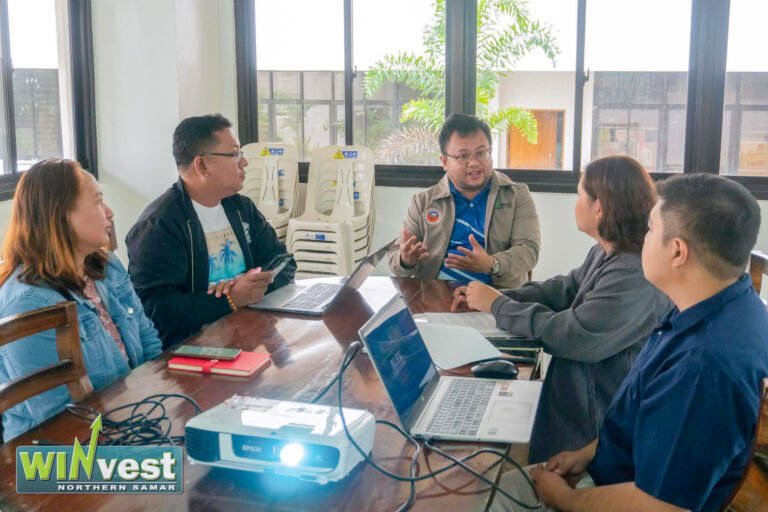
Taking the case of Northern Samar, the provincial government, ably led by Gov. Edwin Ongchuan, has an economic policy embarking on sustainability — agriculture, renewable energy, and local workforce, to name a few.
Notwithstanding strict adherence to its local economic policy, the provincial government managed to lure investors to infuse capital in Northern Samar, without compromising a line or two.
12 MAJOR INVESTMENTS
Like any other local government units, the province of Northern Samar finds the need to attract investors for revenue generation and employment opportunities for local residents.
Some time in February this year, the provincial government reported the entry of at least 12 major investments in 2024.
These are related to agriculture, fishery and renewable energy, with most of them moving on with their plans, says John Allen Berbon in his capacity as head of the provincial economic development and investment promotions office.
In the list of fresh investments are giant food firm TAO Corp., Sea Trace, Fisher Farms Inc., Digital Infrastructure Corp., Lihangin Wind Energy Corp., Copenhagen Infrastructure Partners, Energies Ph, Ocean Energy Pathway, Inyanga Marine Energy Corp., Gemini Wind Energy Corp. (subsidiary of Vena Energy), Vivant Corporation, and Stephen Chen and Co.
Interestingly, all these investments were facilitated by the Board of Investments (BOI)
AGRICULTURE-BASED
With its geographical contour deemed conducive for farming and fisheries, agri-based investments top Northern Samar’s list of preferred businesses which, incidentally, conforms with President Ferdinand Marcos Jr’s priorities.
First on the list of agriculture-based investments is food giant TAO Corp., which hinted at bringing in 100 percent hybrid rice production in the towns of Laoang, Catubig, and Mondragon after having verified the suitability of soil in the province for the cultivation of high-yielding varieties.
Sea Trace also signified its commitment to establishing an ice plant and tuna-buying station in Laoang town. Fisher Farms Inc., with a focus on aquaculture development, has already commenced operation in Gamay town.
The provincial government said that these business ventures may provide the potential for growth and investments in the local agriculture and aquaculture sectors, with a focus on the company’s contributions to sustainable farming and local economic development, according to Berbon.
RENEWABLE ENERGY
Likewise, pouring in investments are Digital Infrastructure Corp. (DIC) which will put up common towers in different areas, and Lihangin Wind Energy Corp. for a 206-megawatt wind energy project in San Isidro town.
In what appears to be another significant step towards expanding the country’s bid to shift to renewable energy, Copenhagen Infrastructure Partners is moving forward with plans to install its P108-billion investment embarking on offshore wind power projects.
Energies Ph. Inc. also hinted at harnessing wind to power up Northern Samar via its Tidal Energy Power Project in Capul and San Antonio towns. Also on the list are Ocean Energy Pathway and Inyanga Marine Energy Corp., both in Capul town.
Envision & Vivant’s for its part is bringing in 150 to 200 megawatts (MW) wind energy in Allen.
According to Berbon, these projects are expected to contribute to the country’s sustainability goals by harnessing wind energy while also creating economic opportunities and advancing green infrastructure.
MORE EXPANSIONS
In November last year, Gemini Wind Energy Corp., a subsidiary of Vena Energy, announced the P19-billion expansion of the San Isidro Wind Farm in Northern Samar.
The project will add 38 new wind turbines, each with an 8-MW capacity, complementing the existing 206-MW San Isidro Wind Project. The expansion, which is set to commence construction in December 2026, is expected to increase the region’s renewable energy capacity.
Last on the list is the investment of Stephen Chen and Co. to establish a coconut industrial park in Bobon town. Early this year, investors conducted a comprehensive assessment of potential locations across the province of Northern Samar in search of excellent sources of whole nuts.
According to Berbon, the provincial government’s collaboration with the BOI is expected to yield best results in Northern Samar’s quest to transform and be acknowledged as an environment-friendly investment destination.
THE SUMMER HEAT isn’t just making your halo-halo melt faster—it’s turning classrooms into sweat lodges and putting students at risk. With the heat index soaring to absurd levels, it’s time to ask: Should we really be sending kids to school when their biggest lesson of the day is how to avoid heatstroke?
A high heat index doesn’t just mean it’s hot; it means it’s dangerously hot. It’s the perfect recipe for dehydration, dizziness, and in extreme cases, a fast pass to the emergency room.
Now, imagine sitting in a packed classroom with no air conditioning, trying to focus on algebra while your brain feels like it’s simmering in a slow cooker. Sounds miserable, right? That’s why some cities are finally stepping up and doing something about it.
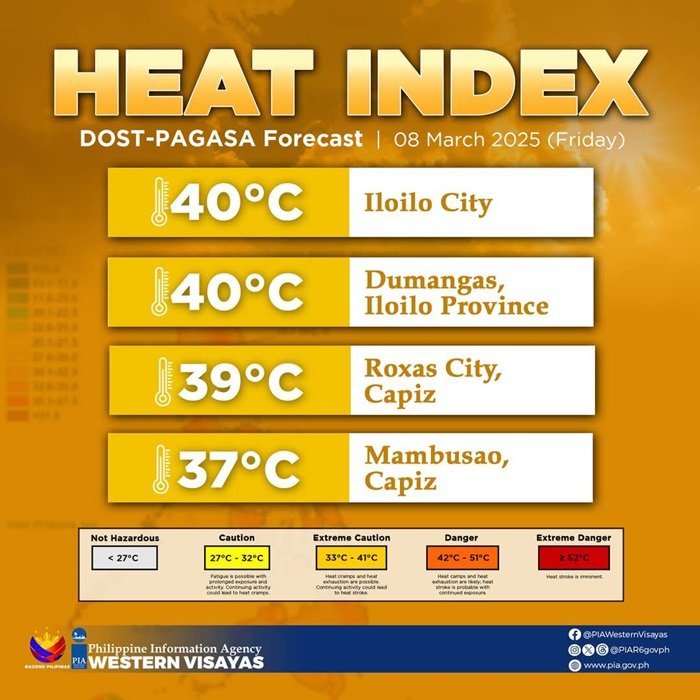
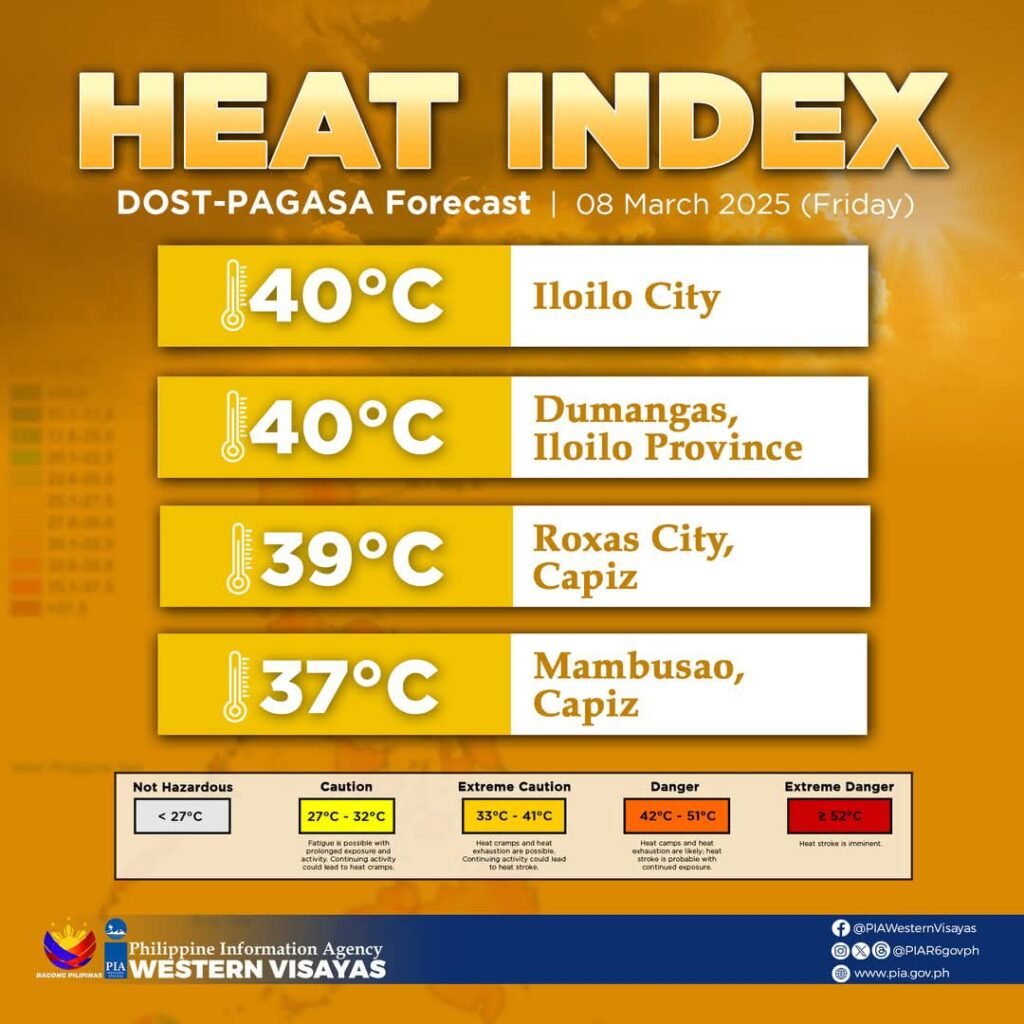
Iloilo City has taken a proactive approach, introducing a heat index-based class suspension protocol.
The rules are simple: if the heat index hits 40°C based on PAGASA’s 5:00 PM advisory, school heads can either adjust schedules—starting early and ending before noon—or shift to remote learning in the afternoon. But if the heat index reaches a blistering 42°C, there’s no debate: face-to-face classes are automatically suspended, and schools must shift to alternative learning modes.
Even universities are encouraged to do the same. Because let’s face it—if it’s too hot to walk barefoot on the pavement, it’s too hot to sit in a cramped classroom.
Meanwhile, Metro Manila isn’t exactly chilling in this heat. San Juan City, under Mayor Francis Zamora’s directive, has reshuffled class schedules, pushing students to wake up at dawn for classes from 6:00 AM to 10:00 AM, and then again from 3:00 PM to 7:00 PM to avoid the worst of the midday inferno.
Marikina, under Mayor Marcelino Teodoro, has gone a step further, declaring automatic face-to-face class suspensions at 42°C. Valenzuela City has a similar policy—once the temperature crosses that red line, students and teachers head home, and online learning takes over.
Of course, some might argue that shifting to remote learning isn’t ideal, but let’s be real: neither is trying to absorb lessons while drenched in sweat. Alternative Delivery Modes (ADM) ensure students keep learning without risking heat-related illnesses.
Whether it’s online classes, modular learning, or other flexible setups, the goal is clear—education shouldn’t come at the cost of students’ well-being.
As climate change continues to push temperatures to new extremes, heat index-based suspensions aren’t just a temporary fix; they’re a necessary adaptation. Schools must prioritize health and find smart ways to keep learning going without forcing students to endure classroom saunas. So, while the debate on class suspensions continues, one thing is certain: if the heat doesn’t let up, neither should our efforts to protect students from it.
Northern Samar has welcomed back His Excellency Charles Brown, Papal Nuncio, the Vatican Ambassador to the Philippines, on the 50th anniversary of the Diocese of Catarman last March 15.
After visiting the province in January this year for the installation and canonical possession of Bishop Nolly Buco as the third bishop of the Diocese of Catarman, the Palap Nuncio was back to join the celebration of a historical milestone, the Golden Founding Anniversary of the Diocese of Catarman.
Archbishop Brown arrived March 9 at the Catarman Airport where he was met by Vice Governor Clarence Dato, Bishop Buco and Msgr. Gaspar Balerite.
A warm standing parade of Nortehanons lined the route from the airport to the Our Lady of Annunciation Cathedral for the formal arrival honors led by Gov. Edwin Ongchuan, and wife, Ms. Bles Ongchuan.
The Vice Governor, members of the Sangguniang Panlalawigan, Catarman Mayor Francisco Aurelio Rosales III, BGen Efren Morados of the 803rd Infantry Brigade, PCol Sonnie Omengan, and Provincial Director of NSPPO, welcomed the Archbishop with Foyer’s Honors. A ribbon cutting at the exhibit about the journey of Catarman as a Diocese for 50 fruitful years was also led by the Papal Nuncio, Bishop Buco and Governor Ongchuan. (Condensed, from the Facebook Page of Carl Sanchez Bordeos, Eastern Visayas Association of Museums)
THE mere mention of Subic alone connotes trade and investments from where the government has been sourcing a huge chunk of its revenues to defray its day-to-day operations, projects and programs.
Referred to as the Subic Bay Freeport Zone (SBFZ), the area which covers 67,452 hectares is home to 1,863 business locators which have been directly and indirectly employing roughly one million people.
But what if Subic falls short? For one, there’s no such thing as a perfect business community, in the same manner that not everyday is a good business day. However, there are ways to keep SBFZ afloat, says Subic Bay Metropolitan Authority (SBMA) Administrator Eduardo Aliño.
SYNERGY IN LEADERSHIP. It’s a harmonious collaboration of Subic Bay Metropolitan Authority, headed by its Chairman and Administrator Eduardo Jose Aliño, and the Bureau of Customs, with Atty. Marlon Fritz Broto as District Collector, in driving economic progress bring pillars of the nation’s infrastructure.
EASE OF DOING BUSINESS
According to Aliño, his marching order from the President is to ensure seamless operation inside the SBFZ maximizing the perks under Republic Act 11032 or the Ease of Doing Business Act.
“When the President asked me to take over SBMA, he told me to address the concerns of the investors while protecting the working class,” Aliño said in the vernacular.
“Kung alagaan mo ang mga namumuhunan na maayos ang pamamalakad, madali ang pagnenegosyo… for example sa pagkuha ng permit, pwede naman natin gawin simple yan basta naaayon sa regulasyon ng SBMA. Ganun din sa mga manggagawa. Sila ang life line the mga negosyante,” he added.
Interestingly, SBFZ is not limited to factories and private offices as the economic zone also hosts other businesses including — but not limited to — logistics, leisure, maritime, and the so-called information and communications technology (ICT).
Considering its geographical location, SBFZ also hosts a port which serves as a gateway for international trade –this is where the Bureau of Customs (BOC) comes in.
Leverage technology to enhance transparency in customs operations… (to) include implementing blockchain-based solutions for tracking transactions and automating processes to reduce human intervention and potential for corruption.
ACHIEVING FULL POTENTIAL
To achieve the full economic potential of the SBFZ and ensure sustainable growth, Customs District Collector Atty. Marlon Fritz Broto cited a deeper dive into the ground-level realities faced by the SBMA and BOC.
According to Broto, collaboration among SBFZ stakeholders is a must, even as he outlined long-term recommendations embarking on what he aptly referred to as “holistic approach.”
Broto, a lawyer by profession and an outstanding holder of the Master in National Security Administration (MNSA) of the National Defense College of the Philippines (NDCP), is neither a stranger nor a newbie to the freeport zone and the international trading at the Subic Port where he once served as deputy district collector for operations. This was before he was elevated as acting BOC deputy commissioner for the Management Information Systems and Technology Group.
Problems hounding the SBFZ is not new to Broto that even stakeholders inside the freeport deem his entry at the Subic Port as urgent and timely in view of an imminent legal squabble arising from questions on whether or not BOC has jurisdiction over a secluded freeport zone.
MODEST RECOMMENDATIONS
Broto cited the need for better and additional facilities to cope up with the growing demand in years to come.
These include a broader strategy that goes beyond just constructing additional cold storage facilities and depots. He particularly hinted at considering additional and bigger facilities “to reduce logistical bottlenecks” in the future.
“The lack thereof can lead to spoilage, losses for businesses, and missed opportunities to tap into lucrative markets,” reads part of his endorsements.
Broto also took note of safety in certain industries, such as pharmaceuticals or hazardous materials, which requires specialized storage solutions consistent with stringent safety and regulatory standards.
Equally crucial, he added, is transportation efficiency, intermodal connectivity — port, airport, road, rail networks, dedicated freight corridors, included, logistics digitalization (real-time tracking, cargo visibility, streamlined customs clearance), use of renewable energy (electricity and transportation).
NO PLACE FOR CROOKS
Broto also gave premium on balancing tax perks and compliance; establishing dedicated help desks or online resources to guide businesses; capacity-building workshops on customs regulations, valuation methods, and best practices for compliance; stakeholder engagement for a collective approach in addressing freeport concerns.
While SBFZ may seem a proto-type insofar among economic zones, the lawyer at the helm of the Port of Subic also emphasized the urgent need to address corruption by enticing whistleblowers through anonymous reporting mechanisms.
Likewise on his radar is the establishment of an Internal Oversight through an independent ethics committee or ombudsman within customs.
With an extensive background in modern-day technology, he vowed full transparency insofar as the customs operations is concerned.
“Leverage technology to enhance transparency in customs operations. This could include implementing blockchain-based solutions for tracking transactions and automating processes to reduce human intervention and potential for corruption,” he quipped.
FOR MORE THAN twenty years in the history of Philippine journalism, despite the viral news gathered that there was no local journalists have been reported killed in the various part of the country this year.
The need for continued vigilance in protecting press freedom was underscored by the Committee to Protect Journalists (CPJ) as it cited several factors that may have influenced the data.
The CPJ, an independent group established in 1981 and based in New York, USA, promotes press freedom worldwide, “to defend the rights of journalists to report news safely and without fear of reprisal.”
“The Philippines marked its first year in two decades without a journalist killing, which analysts said could indicate that President Marcos has taken a comparatively milder tone toward the press than his predecessor Rodrigo Duterte, who frequently threatened the media,” CPJ stated in its February 2024 report.
CONSISTENTLY DEADLY
The Philippines is listed as one of six countries “consistently deadly” for journalists from 1998 to 2024, involving cases that were work-related or “possibly” work-related.
From 1998 to 2024, Iran led the list with 226 deaths, followed by the Philippines with 149 and Mexico with 147. Pakistan ranked fourth with 94 fatalities, followed by India with 73 and Somalia with 72.
CPJ only designates a killing as murder when its research indicates that there is clear evidence to suggest that the journalist was killed because of his or her work.
In the prevailing political and economic conditions in the Philippines, CPJ reported that conditions can grow more lethal for the press when those who kill journalists are not held to account. And fewer journalists means less information for citizens seeking the truth.
There are more journalists killed in 2024 worldwide than in any other year since the CPJ began collecting data more than three decades ago.
With the national elections underway and local elections approaching, we urge our fellow journalists to uphold the highest standards of journalism and avoid unethical practices.
SIGNIFICANT MILESTONE
The entire Philippine media community in celebrating a significant milestone of no reported media killings in 2024.
“This is a testament to the collective efforts of the media community in safeguarding and protecting our ranks against those who fear the truth that journalists uphold in the pursuit of their duty,” the local National Press Club (NPC) president Leonel Abasola said in his press statement.
Emphasizing several media killings that remains unresolved, with perpetrators and masterminds still at large, Abasola said the NPC acknowledges the significant contributions and vital role of the Filipino media journalists. By reaching this milestone was no easy feat and sustaining it will be even more challenging as threats against media practitioners persist.
ETHICS IN JOURNALISM
On this, Abasola strongly appealed to all active journalists in the wake of the coming midterm national elections this May 2025: “With the national elections underway and local elections approaching, we urge our fellow journalists to uphold the highest standards of journalism and avoid unethical practices.”
In emphasizing the importance of keeping media practitioners out of political conflicts, Abasola warned that unethical practices could make them unintended victims of electoral rivalries.
In doing so, accidental loss of lives during the conduct and discharging of duties during the election could be avoided. “Sa hanay po ng NPC, patuloy rin ang ating pag-organisa ng mga provincial at regional chapters para higit na mabatid ng ating mga kasamahan ang kahalagahan ng ating trabaho sa lipunan. (In the ranks of the NPC, we continue to organize provincial and regional chapters so that all our colleagues are aware of the importance of our work in society).”
The Philippine’s NPC was one of the oldest and biggest news organizations in the country, with established chapters in the provinces of Albay, Camarines Sur, Camariner Norte, Nueva Ecija, and parts of Luzon, Visayas and Mindanao.
UNRESOLVED JOURNO KILLINGS
Meanwhile, challenges faced by journalists, including bullying and public humiliation by local politicians, as well as economic hardships that push many media workers out of the industry, was highlighted by the National Union of Journalist (NUCP) in Cebu.
Journalists must be equipped with safety training, ethical journalism workshops, and with information and tools pertaining to on-field press safety, it said.
In the wake of continuous violence and unresolved killings of Filipino journalists, NUJP made their appeal and called for true justice in the resolution of thousands of cases of murdered media men and women and the end to the continuous acts of violence perpetrated by corrupt forces against those that shed light on the truth.
BE IT THE living or dead beneficiaries of ayudas and pension funds of the government, cheats would always be way ahead of the legitimate beneficiaries.
The Commission on Audit (COA) found that for almost 10 years, claimants to pension funds of over 7,210 dead pensioners have been collected from the Armed Forces of the Philippines Pension and Gratuity Management Center, totaling P615 million.
Reflected in the 2023 COA report dated December 1, 2024 and released recently, it mentioned that from 2014 to 2023, the AFP paid out this much to dead pensioners, as it faulted the AFPPGMC for being remiss in updating its database.
This is considered by the state auditors as “excess payments” involving 7,210 pensioners.
The outstanding and uncollected accounts of AFPPGMC aged one to nine years as of December 31, consisting of overpayments of pension benefits to deceased pensioners totaling P615,641,568.54.
DRAWN FOR DEAD PENSIONERS?
While the AFPPGMC clarified that it has successfully updated 168,242 pensioners’ records during the audit year, exceeding its target of 139,832 accounts by 20.32 percent, the audit team said the excess payments “deprives the government of beneficial use of funds and affects the fairness of the presentation of the financial statements.”
Verification by the COA of the pension payments released in 2021 revealed at least five deceased pensioners continued receiving pension for 14 to 25 months after they passed away.
For payments made in 2022, there were 193 pensioners who collected P55.706 million in pension payments six to 15 months after their recorded deaths.
For 2023, auditors traced 66 deceased pensioners’ accounts that continued getting paid six to nine months after their demise with a total payout of P13.87 million.
Auditors recognized that other than the challenges in regularly updating the status of living pensioners, relatives of the former AFP personnel are also part of the issue.
According to existing policies, updating a pensioner’s account is only done once a year, usually two months before the account holder’s birthday.
[P]ension payments released in 2021 revealed at least five deceased pensioners continued receiving pension for 14 to 25 months after they passed away.
NO ERROR-FREE SYSTEM
COA said the AFPPGMC has failed to delete pensioners’ accounts after updating their status for three months after being tagged.
Though the auditors acknowledge that there is no error-free system of monitoring and updating the pensioners’ status, they asked the AFPPGMC to conduct frequent follow-up validations of non-updating pensioners to reduce the number of deposits of pension payments for the accounts of deceased members.
It asked that efforts be exerted to recover the payouts to accounts if the withdrawals were done after the pensioner’s death.
As of May 2, 2024, the AFPPGMC informed the COA that verification of bank statements from the Land Bank of the Philippines involving 264 accounts was already ongoing and recovery procedures would be done if proven to be overpayments.
AS FOR AKAP…
This late, the social welfare department still has to have the complete list of beneficiaries to the Ayuda sa Kapos and Kita Program (AKAP), to be funded by the largesse alloted by legislators as pork barrel for their projects and programs.
Referrals from organizations, politicians and other institutions would not guarantee that the names included in their list would receive financial assistance, the agency said.
Since the May midterm elections are just around the bend, leaks of the supposed list would be floated and money will be flowing (AKAP or not) in exchange for votes.
“Would-be AKAP beneficiaries are not easily identifiable because we need to ascertain if indeed these individuals earning no more than the statutory minimum wage but are affected by inflation and need such assistance,” said DSWD Assistant Secretary Irene Dumlao.
I MET RICO Maloles through his wife Jessica Maloles, one of the models of the late fashion designer Goullee Gorospe.
Goullee would tag me along to the Maloleses in Parañaque whenever he would schedule measurements or fittings of his designs and wardrobe and squeeze in a lively conversations with her.
To begin with, who is Rico Maloles?
Rico is the only son of Octavio Maloles, the very first ambassador of the Philippines to the United States, Europe and Latin America.
It was during Octavio’s time in the Commonwealth period that Philippine embassies and consular offices around the world were established and Octavio, a lawyer, was one of the point men in the foreign service among our compatriots.
Rico, being the only child, was always with Octavio and his wife, Alicia Cabarrus de Santos in California, London, Buenos Aires, among other high places.
The Maloleses are from.Sto. Tomas Batangas.
They are first cousins to the Malvars, Miguel was Octavio’s first cousin by virtue of the revolutionary hero’s wife Paula Maloles.
Rico was a well-traveled man and came from a buena familia. He was single… has remained single for eighty years before he met Jessica.
SINGLE FOR 80 YEARS
Rico was a well-traveled man and came from a buena familia.
He was single — although he admitted he fell in love with a Latina — but he has remained single for eighty years before he met Jessica.
Rico and Jessica’s love story is one for the books.
It started when Rico took a vacation in General Santos City.
He was in a restaurant eating and drinking by himself when he took notice of a lady in one corner of the eatery.
The woman who was in deep thought, almost teary-eyed, alone by herself would introduce herself as Jessica was nursing a broken heart at the time as she confessed she was a battered wife of a seaman.
The story immediately stroke a chord in Rico’s heart.
On top of it, she found Jessica beautiful so he started to court her and won her after sometime.
BOOK IN THE MAKING
This colorful episode of Rico and Jess is included in the book “Man of Destiny,” my first book written in English.
It was Jess through the intercession of my four earlier books, namely “Tio Ticong Pelikula at Pulitika Vicente Salumbides,” “Expose Movie Reporting in the Philippines,” “SekSinema (in Filipino),” “75 Writers. 75 Stories.”
When I discussed the concept of “Man of Destiny” book with Rico, there was some spiritual context that he wanted to bring out.
You see, Rico is a believer of the “angry birds” syndrome which is a metaphor of the great creative power.
I interviewed Rico several times until I got enough materials to finish one whole book.
I was the writer of the research paper and the author’s page is “as told to Boy Villasanta.”
From then on I felt and still feel that Rico shared and has been sharing the same vision with me — being an iconoclast.
BELL’S PALSY CAN feel like a real prank your face is playing on you. One side droops, your smile looks wonky, and winking turns into a full-on face scrunch.
Recently, singer and actress Frenchie Dy opened up about her third round with this annoying condition, shining a light on the struggles it brings and some treatment options, like acupuncture.
In Traditional Chinese Medicine (TCM), they call Bell’s Palsy “wind stroke” or “facial paralysis due to wind.” This comes from the idea that “wind” – an outside force – messes with your facial energy pathways. This “wind” can throw off the flow of Qi (your body’s vital energy) and blood, leading to that facial weakness or paralysis we see.
TCM links Bell’s Palsy to things like drafts or sudden temperature changes. While science hasn’t nailed down a direct cause, lots of folks say they’ve had Bell’s Palsy after being in front of air conditioning, open windows, or a fan blowing right at them. So, that fan you love on hot days? While it feels great, pointing it at your face for too long might not be the best idea if you’re prone to Bell’s Palsy.
For people like Frenchie, looking into different treatment options, including acupuncture, might be a good way to work towards recovery and a better quality of life.
A BIT OF MYSTERY
In Western medicine, the exact cause of Bell’s Palsy is still a bit of a mystery, but it’s thought to be due to inflammation or damage to the facial nerve, which leads to weakness or paralysis on one side of the face. Many people get better on their own, but steroids are often used, and some folks look to acupuncture for extra help.
Acupuncture involves sticking tiny needles into specific points of your body. These points are where Qi flows, and TCM sees Bell’s Palsy as a blockage caused by that pesky “wind.” The needles help clear out the “wind,” restore balance and kickstart healing.
So, how does acupuncture help with Bell’s Palsy? While research is still figuring it out, there are a few ideas. One is that acupuncture can reduce inflammation around the facial nerve, easing pressure and helping it work better. Another thought is that it could help regenerate nerve fibers. Plus, acupuncture is known to help you relax and reduce stress, which can be a big deal for anyone dealing with the emotional side of Bell’s Palsy.
NOT A GUARANTEE
Acupuncture isn’t a guaranteed fix for Bell’s Palsy. However many people find it helpful alongside traditional treatments. Some studies suggest it improves facial muscle function and speeds up recovery. Many patients say they notice a real difference after acupuncture, feeling more sensation and movement in their affected facial muscles.
Frenchie Dy’s recent experience shows that Bell’s Palsy can recur, which adds another layer of difficulty. While the recurrence of Bell’s Palsy is less common, it underscores the need for ongoing management and support.
For people like Frenchie, looking into different treatment options, including acupuncture, might be a good way to work towards recovery and a better quality of life. Remember, those little needles might be small, but they can pack a punch when it comes to healing and restoring balance.
So, here’s to Frenchie and everyone else sticking it to Bell’s Palsy – one acupuncture session at a time!
IN WHAT APPEARS to be far from the usual, a disease which usually crops up during the rainy season surprisingly triggered an alarm too soon, for which the Department of Health (DOH) has expressed concern over what looks more like another outbreak in the making.
By his own admission, Health Assistant Secretary Albert Domingo said that at least nine areas in Luzon have posted a sharp increase of patients diagnosed with dengue, a virus transmitted by a particular type of mosquito – the Aedes aegypti.
Domingo declined to identify the nine localities but gave a hint, all areas could be found in Luzon — National Capital Region, Central Luzon, and Calabarzon (Cavite, Laguna, Batangas, Rizal and Quezon).
Dengue season in the Philippines starts at the onset of the rainy season which is usually in June and ends in October. Interestingly, the highest infection occurs in late August.
According to experts, temperature is a significant driver of dengue transmission.
IT’S DEADLY
In a study posted on the website of the National Library of Medicine, around half the world population is constantly at risk of being hit by the mosquito-borne disease, especially those in tropical countries like the Philippines.
Regardless of its symptoms (which could range from asymptomatic or mild febrile illness to severe dengue and, in some cases, death), dengue has long been a major public health problem in the Philippines. In fact, dengue has been on the government radar since 1958.
While previous data showed that dengue outbreaks are largely seasonal “with most episodes occurring during the wet season,” the same study claimed that the virus is endemic in all regions of the country.
A recent review of the epidemiology of dengue in the Philippines showed that the incidence rate of dengue was highest among children of five to14 years of age, with over 80 percent of dengue-related deaths occurring among individuals of less than 20 years of age.
RISING NUMBERS
The DOH in October last year recorded a whopping 82 percent increase in the confirmed cases of dengue as compared to the first nine months of 2023.
As per 2024 data, the DOH confirmed dengue infections stood at 314,785 which is more than double the 147,678 cases recorded in 2023. There were also 3,000 recorded deaths due to dengue, which is equivalent to a little more than 10 percent case fatality rate – the highest in Southeast Asia.
Notable in the DOH report is a portion which claimed to have recorded a drop in the number of confirmed dengue infections in all regions in the country except for Metro Manila.
To date, the Philippines faces a dire challenge with a new surge in dengue cases, compelling healthcare professionals (HCPs) to advocate for sustained prevention and innovative solutions.
For one, there is no scientifically-proven cure for dengue, but there are ways to keep the virus manageable through a government intervention embarking on anti-dengue vaccination.
NO VACCINE YET?
For one, there is no scientifically-proven cure for dengue, but there are ways to keep the virus manageable through a government intervention embarking on anti-dengue vaccination. In this case, the government then had no other option but Dengvaxia to address what has become a major health concern.
However, the noble plan to save thousands of kids’ lives and prevent an estimated 10,000 hospitalizations over a five-year period fizzled out after“immunizing” some 800,000 schoolchildren in a haste.
Then came the news which blamed Sanofi (which manufactured Dengvaxia) for the dengue infection contracted by 1,967 out of the 3,281 individuals after taking the “shots.”
There were also reports of deaths due to Dengvaxia for which charges were against top government officials – including former Health Secretary (now Congresswoman) Janette Garin for multiple homicide.
Since then, vaccine hesitancy has become a major concern in many other government immunization programs.
OUTBREAK IN QC
Without blinking an eye, Quezon City Mayor Joy Belmonte, through the local health office, declared a dengue outbreak as cases continue to surge in the city, even as she ordered the mobilization of all assets and resources to curb the outbreak.
From January 1 to February 14, 2025, the City Epidemiology and Surveillance Division (CESD) of QCHD recorded 1,769 dengue cases, nearly 200 percent higher than last year.
Of these cases, 10 died due to dengue. The same data showed 58 percent involve school-aged children (5 to 17 years old), while 44 percent are children ages one to 10.
BARANGAY FRONTLINE
One basic element for an effective approach against mosquito borne diseases is early detection through the health centers under the supervision of over 42,000 barangay units.
In the past, teams were dispatched to conduct chemical controls like spraying and fogging in areas with clustering of Dengue Cases to kill adult mosquitoes, and larviciding in water bodies. However, barangay units can’t do it alone.
Residents may consider heeding to the Do’s and Don’ts, which include:
Using mosquito repellant, if possible, and wearing personal protective clothing like long sleeves and long pants, especially for the kids.
Emptying used containers, tires, pots, and other items that collect water. Standing water stuck in these items can serve as a breeding ground for dengue-carrying mosquitoes.
Ensure that there is no stagnant water in their houses or drainage systems.
TRIVIAL SOLUTION
In Mandaluyong City, Barangay Addition Hills cited the need for something that would suffice the government’s anti-dengue campaign while providing some sort of livelihood through its program “May Piso sa Mosquito.”
According to village chief Carlito Cerlan, such an approach would somehow reduce — if not eliminate risks of being contaminated with dengue virus.
However, not all seemed amenable as such “trivial pursuit” may put the local folks at risk in view of an exposure to virus-carrying mosquitoes.
Cerlan said residents can either bring mosquitoes and their larvae (kiti-kiti) dead or alive in exchange for coins. One peso will be given to a barangay resident for every five mosquitoes or larvae they bring.
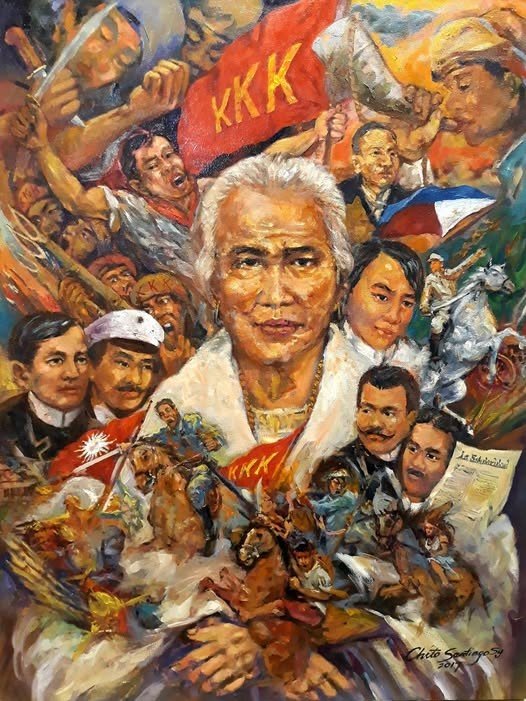
As an endearing legacy of love, patriotism, heroism, and bravery of Melchora “Tandang Sora” Aquino, the Grand Woman Heroine of the Philippine Revolution in (1896-1899), the Quezon City Government achieved an unprecedented milestone in the Philippine history, by successfully unveiling the country’s first-ever women’s museum – “The Tandang Sora Women’s Museum at the very heart of Quezon City.”
This is to pay tribute to the countless women who have shaped the nation through courage, resilience and leadership, as a fitting homage to Melchora Aquino, the revered Mother of the Philippine Revolution, whose unwavering patriotism and service paved the way for generations of women to fight for their rights and contribute to nation-building.
The launching marks a historic first for the Philippines, cementing Quezon City’s reputation as a leader in championing gender equality, heritage preservation, and inclusive governance. More than just a museum, it is a living testament to the power of women in shaping the country’s history, culture, and future.
SYMBOL OF PROGRESS
In her continuing fight for the women’s cause and resilience advocacy, Senator Risa Hontiveros unselfishly pioneered the realization of the two-storey, bahay-na-bato inspired structure through her benevolent and compassionate funding resources from her office.
Hontiveros, Keynote Speaker and Guest of Honor, besides being a longtime advocate for women’s rights, lauded the project as a symbol of progress in the fight for gender equality.
The scintillating attractions and beauty of the ground floor features a creativity corner (“Isip at Gawa”), an audio-visual section, and an exhibit space that will host rotating displays highlighting women’s contributions to art, culture, and advocacy.
[T]his museum is more than just a collection of artifacts—it is a testament to the strength, struggles, and triumphs of Filipino women throughout history.
HERSTORICAL TIMELINE
The most relevant and historic part of the museum is the second floor where it houses the “HERstorical Philippine Timeline,” which chronicles the role of women in faith, leadership, peacebuilding, and revolution.
Above and beyond its historic relevance, the section provides a detailed account of the Babaylan as spiritual leaders, the rise of women-led labor unions, and the evolution of female participation in politics, arts, science, and media.
It offers visitors a rich and interactive journey through HERstory, with exhibits spanning from pre-colonial times to contemporary movements. A dedicated gallery, “Women in Action,” showcasing progressive materials and memorabilia from various feminist movements, highlighting the resilience and activism of women’s organizations that have shaped the country’s socio-political landscape.
Quezon City Mayor Joy Belmonte said “this museum is more than just a collection of artifacts—it is a testament to the strength, struggles, and triumphs of Filipino women throughout history.”
The museum’s design and renovation were led by ARC LICO, a research and design studio headed by Architect Gerard Lico, known for his work in restoring heritage sites such as the Museo ng Makati and Museo ni Pio Valenzuela.
Creative curator is Sandra Torrijos, a renowned artist, educator, and feminist, ensured that the space does more than just tell stories—it provides a platform for engagement, learning, and advocacy.
Admission is free for the public in March, Women’s Month while Quezon City residents can enjoy year-round free access.
The commendable performance of our revenue-generating agencies, evidenced by their consistent achievement of targets and effective implementation of priority programs, truly warrants our highest praise.
Their dedication and strategic acumen are indispensable in sustaining our nation’s fiscal health. However, equal recognition must be accorded to the stakeholders and industry partners who dutifully fulfill their obligations regardless of prevailing economic challenges by paying duties, taxes, charges, and fees.
They are the silent architects of our nation’s financial stability, continuously filling the government’s coffers and driving our economy forward.
Therefore, it is not only appropriate but imperative that their invaluable contributions be acknowledged. Their resilience and commitment to nation-building underscore the importance of fostering collaboration and mutual respect.
Our government must recognize their indispensable role and remain attuned to their perspectives and concerns. By doing so, we can cultivate a culture of trust and inclusivity, ensuring that policies are not merely imposed but are thoughtfully crafted with the stakeholders’ interests in mind.
STRONG PARTNERSHIPS
To this end, strengthening partnerships between the government and its economic contributors is crucial.
Trust and confidence are cultivated not merely through enforcing obligations but through consistently demonstrating transparency, efficiency, and equity in every fiscal transaction.
Acknowledging their role and engaging in constructive dialogue will inspire continued compliance and active participation in nation-building.
As we celebrate the successes of our revenue agencies, let us also honor the steadfast support of those who stand behind every milestone achieved. These stakeholders are not merely taxpayers but strategic partners in our shared vision of economic prosperity.
Though often unheralded, their contributions are the foundation upon which our nation’s growth and stability are built.
A DUDIRTY CULTURE in the Philippines began auspiciously in 2016.
Within a few weeks after his inauguration as President of the Philippines, Rodrigo Roa Duterte declared in public that “God is stupid!” To tell the world that he meant business, he publicly blamed Pope Francis, the head of the Catholic Church and Vicar of Christ on earth, for the traffic he encountered along Roxas Boulevard one day when Pope Francis visited the country. In fact, he wanted the Pope to go back home soon.
That was in 2016. Today, February 11, 2025, the news carried a declaration by the PNP that the PNPA alumni are free to publicly express their support for VP Sara Duterte, who was just impeached by 215 members of the House of Representatives (HOR). This means that the PNP, known as “Protector of the People” has chosen to be politically partisan. The charges made against her: culpable violation of the Constitution, bribery, graft and corruption, betrayal of public trust, and her misuse of up to P612.5 million in confidential fund of her OVP and the Department of Education from 2022 to 2023.
What comes to mind among Filipinos of goodwill, given this clear partisan stand of the PNP, is that the 215 representatives of the people (purportedly the voice of the people in crafting laws for the country) are biased and have no credibility as to their decision to impeach VP Sarah Duterte.
Is this PNP perspective a reflection of the Dudirty Culture which eschews the sacred values of the God of Truth and Justice?
Is this PNP perspective a reflection of the Dudirty Culture which eschews the sacred values of the God of Truth and Justice?
KILL KILL KILL
The Dudirty Culture somehow imbedded itself from then on as President Rodrigo Roa Duterte launched his bloody “War on Drugs – Operation Tokhang.” The PNP ground troops, mandated to ARREST law violators, (and NOT kill using their guns only when their targets appear to fight back and pose a danger to their lives), went on a killing spree, resulting in more than 30,000 victims of extrajudicial killings (EJKs).
Contrary to God’s law of “Thou shall not kill,” the Dudirty Culture has stressed the policy of “Kill Kill Kill” in the case of suspected drug addicts, pushers, smugglers, drug lords, and even any lowly law violator. And this is despite the country’s abolition of the death penalty many years back. This culture of death has proliferated with the able support of his longtime aides, now senators Bong Go and Bato de la Rosa, and his daughter VP Sara.
To cement this Dudirty Culture in the minds of the country’s law enforcers in particular, and to all Filipinos, president R R Duterte had Congress pass the Anti-Terror Law. This apparently was a big favor to the self-serving dynastic leaders, as they have a legal cover to malign their perceived political enemies. This led to the creation of the implementing arm, the National Task Force to End Local Communist Armed Conflict (NTF-Elcac). Its track record, sadly for the Filipino people, has been a brutal trail of illegal actions against reformist activist citizens and groups.
BLOODY CULTURE
The reputable human rights watchdog, KARAPATAN, has faithfully documented that there were “as many as 1,609,496 victims who have been threatened, harassed, and intimidated under the Marcos Jr. regime, mainly through red- and terrorist-tagging.” This means that the bloody Dudirty Culture, founded on the “God is stupid” mindset, has also deeply colored the policies and programs of the current President Bongbong Marcos – VP Sara Duterte administration.
The question is: “Is this anti-God ‘Dudirty Culture’ acceptable to the majority of the Filipino people?”
The answer: “Definitely NOT, this culture must be expunged completely ASAP!”
WHEN THE CONSTITUTIONAL Commission drafted what is now referred to as the 1987 Constitution, the purpose was to come up with a binding legal framework for strict implementation.
Forty-two years after, salient provisions have remained unenforced in view of what appears more like a direct mockery of the law of the land in the guise of the “absence of a legislation” affirming the legitimacy of the 1987 Constitution.
With another election taking place soon, the issue on political dynasties resurfaced anew as “familiar” surnames have literally dominated the list of candidates vying for both national and local elective offices.
Under the 1987 Constitution is a provision prohibiting political dynasties – the act of allowing political clans to transform bailiwicks into an empire of sorts.
DECIMATE THEIR SPECIES
According to my friend, lawyer Eric Mallonga, there is a way to compel the implementation of the constitutional provision restricting political dynasties since there’s a slim chance that Congress would come up with a legislation.
For one, no politician in his right mind would do something that would decimate their species and extinguish a kingdom from which they make a fortune.
Eric’s take: the Supreme Court can state that the general intention of the constitutional ban on political dynasties in government is “ readily implementable or enforceable.” He calls it a Common Law, which means it is for the courts to define the meaning of dynasties following the “common sense” of reasonable men who are citizens.
‘With another election taking place soon, the issue on political dynasties resurfaced anew as “familiar” surnames have literally dominated the list of candidates…’
DEFINING DYNASTIES
According to Mallonga, a former state prosecutor, “there are some who are too legally rigid” on the “need for a more detailed provision that should be defined in Implementing Rules and Regulations of the regulating agency or office.”
He calls such as “Civil Law,” which means that “definitions in an organic law do not suffice for the implementation thereof,” hence, the further need of Implementing Rules to define dynasties, its extent, and coverage (appointive, elective office).
There are also questions as to how far are the relations between clan or family members for a dynasty to be considered relevant to prohibit a person from running or being appointed to public office.
To some extent, Eric could be right. Judges and Justices have never been held back in their interpretations of the law, whether from the common or civil law backgrounds.
“If the Supreme Court does not make any decision thereupon because of the lack of further definitions in supporting laws or implementing rules, it fails its functions to determine and discern the gravity of an organic or main law, which is the Constitution itself.”
A FORMIDABLE NETWORK
The very essence why the framers of the 1987 Constitution included restriction on political dynasties is to allow not just the best and the brightest but to pave the way for genuine public servants.
There’s one glitch though. Sincerity is not enough to win an election. Politics is just for those who have more than enough resources to defray the cost of launching an effective campaign and bankroll the cost of maintaining a formidable network.
As Eric would put it, the Justices must discern, as wise men and women, where the future of this nation lies.
EITHER BY DESIGN or utter ignorance, there has been rampant retrofitting or misclassification of alternative soil rejuvenators/revivers at the Department of Agriculture by allowing companies making biofert out of purely organic content (manure), humus, fungus or singular bacterium to be labeled as biofertilizer and thus qualify for an allocation in the P2-billion budget from the Rice Competitiveness Enhancement Fund.
President Marcos has been pushing for biofertilizer in his previous SONAs as a partial replacement for urea (a fossil-fuel based chemical fertilizer which had long been used in agricultural lands causing its acidity and near-unusable state). The push also intends to help farmers save on production cost by using Pinoy-made bioferts and soil enrichers to generate a local industry that would create jobs and save the country’s precious foreign exchange.
MARKET REQUIREMENTS
Because of the massive retrofitting/misclassification, firms claiming to produce biofertilizers are getting a big budget for their products that are distributed to different regions of the country, which are then deployed to municipalities, cities and towns for their recognized farm cooperatives and clustered farms.
Under the now-shelved Masagana Rice Industry Development Program, such products must have undergone field trials and technical validations, the firms must provide extension services (to train farmers on proper usage of the product) and laboratories with capacities to meet market requirements.
Sadly, some of these registered firms have been put up in just six months at backyards, garages or roofed open fields and some are manned by non-technical hands.
Sadly, some of these registered firms have been put up in just six months at backyards, garages or roofed open fields and some are manned by non-technical hands.
LOCAL BIOFERT FARM
Last year, nearly 89 percent of the P2 billion biofertilizer budget went to imported biofertilizers — from China, US, Japan, Thailand and India — but for this year, focus will be local manufacturers that bidded to supply DA with this input.
Although PhilGeps is the one that registers and lists the potential bidders/products, it is the DA that validates/confirms the content of products being registered. Bidding for the local biofert pie is ongoing.
Though the budget for biofertilizer looks awesomely huge to save the farms from digression of soil fertility and productivity, industry sources say 80 percent of the budget of RCEF for fertilizer (biofert or not) is decided by the central office while the remaining 20 percent is partitioned to the regional managers to apportion to agricultural offices under their jurisdictions to scout for local suppliers of biofertilizers to be distributed to clustered farmers.
A FERTILIZER SCAM?
There have been cases of under-deliveries (contents do not match the specs on the labels) and some even ghost deliveries of biofert to farmers. (Sounds like the fertilizer scam during a past administration).
The DA should just have pursued in earnest the MRIDP, which underwent the fine toothed comb of past Congress and for which the budget has been properly justified and commitments for transparency has been duly signed for.
Alas, the program — including the voucher system and the use of interventions monitoring cards both aimed for transparency — had been scrapped after one crop season.
DOES BELIEVING IN God really matter? Is there relevance or meaningfulness in believing in God?
Theists would readily proffer their reasons for believing in God, agnostics for being skeptical or doubtful, and atheists for not believing at all. But what is more exigent to find out is what impact is their belief or unbelief on their particular real lives.
Back in my philosophy studies in the seminary, I have come across some witting reasons why people, in the realm of real-life experience, tend to believe in God. One, for instance, dubbed as “foxhole religion,” argues that people do believe in God only because of fear – in particular, about the uncertainty of what lies beyond death. Then, there’s the Freudian (Sigmund Freud) explanation that God is nothing but an “obsessional neurosis,” or simply a product of human instinctual desire or anthropomorphic thinking. Also, there was the Marxist critique of religion and “dialectical materialism” postulating that belief in God is only embraced by the hapless masses as an illusory escape from their deprivation, and at the same time advanced by the capitalists and ruling bourgeoisie to maintain their hegemonic control.
‘Amid the imperfections of life and regardless of the uncertainty about the afterlife – isn’t it more practicable, convenient and comforting to believe in a “transcendent yet immanent” God…’
GOD IS REACHING OUT
But, for Sarah Coakley, professor of divinity at Cambridge, believing in God, aside from stimulating rational arguments for God’s existence, evokes personal relevance and meaningfulness in terms of transformative desire. “Let’s say that God is reaching out to you in some way on your niggle that you would like to believe in him. And let’s say there are some arenas of your life which have a sort of element of vulnerability – of love, of desire, of pain – where God could get in.
“Under what conditions do you think such vulnerability might lead to something? And then I would ask you the big existential question, which is, where are true joys to be found? That encircles back to the question, what are you seeking? That’s actually the central query why people want to believe in God”
Then, there is Christopher Ishan, first-class physicist at London’s Imperial College. For Ishan, who was baptized as Christian only on his 40th birthday, there is a room for a realm of existence beyond the physical, for mystical experiences beyond the mundane, and for belief in the existence of God – and the avenue for such is the personal experience of suffering. “I’ve been involved over the years with fool-proof science and religion interaction. But it always seemed to me that the wrong thing to be talking about was not actually science and religion, but the problem of evil and suffering, which is nothing to be science per se. I have a neurological disease that has landed me in the hospital for several times. And out of my personal encounter with suffering, I felt at the very heart of reality, at a profound level, that there is God, providing a sense of meaningfulness to my suffering.”
BELIEVING IN GOD
And, for my part, here’s my take.
Of course, I cannot disregard the different theistic positions or arguments I’ve learned in philosophy: the ontological argument of St. Anselm, “God is the being none other than which can be conceived” and that the very idea of God implies his existence; St. Thomas Aquinas’ causal argument that God is the “uncaused cause” and “unmoved mover”; the teleological argument of God’s existence as inferred from this world’s design, value, and purpose.
But, more profoundly, in the practical scheme of things, my stance is simple. Amid the imperfections of life and regardless of the uncertainty about the afterlife – isn’t it more practicable, convenient and comforting to believe (than not) in a “transcendent yet immanent” God, and thus find MEANING in all of life’s joys and sorrows, happiness and pains (including natural and moral evils)?
After all, for me, what is more important in life is not proving or disproving the existence of God but experiencing or living a meaningful, happy and satisfying life – as can be derived from “believing” in God.
FOR WANT OF a constitutionally-promulgated Rules on Impeachment, can any impeachable official seek judicial recourse?
During the maiden issue of this paper, this Department wrote thus: “Twin Issues on Impeachment,” a subject matter I never fail to discuss with my law students during my teaching years.
The cornerstone of the question is “constitutionally-promulgated”—meaning: one that was promulgated pursuant to the prescription of the 1987 Constitution, by the entity or body mandated to do it, and for purposes desired by it.
So let me quote the specific constitutional provision as backdrop for this discourse:
“The Congress shall promulgate its rules on impeachment to effectively carry out the purpose of this section.” (Sec. 3(8), Article XI)
As my classes were always divided on the issue, ditto with today’s opinion makers, including the legal circle of this here town—they cannot come up with a common frame of reference.
JUDICIAL WEIGHT Listening to the clashing views of today’s luminaries of note, we can surmise that the deeper they dig into the question the clearer it becomes that Congress failed to do what was directed of it by the Fundamental Law.
Thus, to each her/his own interpretation of the 1987 Constitution. Unfortunately for the eager-beavers, the know-it-alls (KIAs), and the political noise machines, only the Supreme Court’s interpretation carries judicial weight.
Today, the sitting Senate President and the soon-to-exit Senate Minority Leader have clashing opinions on critical areas of the Senate sitting as Impeachment Court. Too, retired Supreme Court magistrates have conflicting views as well. Incidentally, their views offer no judicial significance. As someone was wont to say, until the High Court dishes out its ruling, everyone’s opinion is as good or as worthless as anyone’s view.
Why they are not in unison on the many issues surrounding the hottest issue in the entire Islas Filipinas—or squid tactic to some, i.e., (a) whether or not the House of Representatives (HOR) Secretary General—a non-member of Congress—has the discretion to withhold transmission of the verified impeachment complaints filed before it to the office of the Speaker of the House for inclusion in the HOR’s Order of Business as prescribed in Section 3(2), Article XI; (b) whether or not the President can call the Senate to a special session purposely to enable the Upper Chamber to transition into an Impeachment Court; (c) the denotation of the term “forthwith”; (d) the issue of whether or not the Impeachment Court can compel the attendance of the impeached official; and many more, is precisely because the Congress (as distinguished from its chambers) has ignored the provision of Section 3(8) of Article XI of the 1987 Constitution.
And because the two houses of Congress did not promulgate “its” rules on impeachment… there appears no constitutionality-compliant Rules on Impeachment at the moment.
QUESTION OF ACCOUNTABILITY So, as it stands today, the Rules on Impeachment the HOR members insist they have based their actions on are the Rules of the HOR which were promulgated pursuant to the chamber’s legislative powers under Article VI to the exclusion of the members of the Senate.
Without delving on the merits of any suit now pending before the Supreme Court, let me ask again: Are the Rules of the HOR promulgated under Section 16(3), (4), and (5), of Article VI compliant with what is prescribed by the Constitution in Section 3(8) of Article XI which pertains to the subject of Accountability of Public Officers? Same question is raised on the Senate Rules on Impeachment.
THEIR RULES ON IMPEACHMENT At the risk of sounding like a broken vinyl, let me say it again: when the Constitution talks about Congress it refers to the body created by it under Section 1 of Article VI—the Legislative Department which exercises legislative powers, thus:
“The legislative power shall be vested in the Congress of the Philippines which shall consist of a Senate and a House of Representatives, except to the extent reserved to the people by the provision on initiative and referendum.”
Ergo, it is beyond cavil that the body tasked by the Constitution to promulgate the rules on impeachment for purposes of exacting accountability from impeachable officials pursuant to Article XI is the Congress (not each or either chamber) as defined in Section 1, Article VI.
Had the framers of the Constitution intended to allow each chamber to promulgate their respective rules on impeachment, they would have easily worded Section 3(8) of Article XI say: “Each house” shall promulgate “their” rules of impeachment… but, no, the Constitution states it clearly: “The Congress” shall promulgate “its” rules on impeachment to “effectively” carry out the purpose of Section 3, Article XI.
And because the two houses of Congress did not promulgate “its” rules on impeachment pursuant to the diktat of Section 3(8), there appears no constitutionality-compliant Rules on Impeachment at the moment.
Finally, as we cannot offend the subjudice rule, let us instead borrow Ted Failon’s line: “Think about it!”
Politics has long been a male-dominated arena. However, history shows that women have continuously braved challenges to secure their rightful place in governance, recognizing that their participation is crucial to a truly representative democracy.
Over the past century, women have made remarkable strides in politics. The suffrage movement was a pivotal moment, granting women the right to vote and paving the way for female representation in government. Today, women serve as heads of state, legislators, and members of the judiciary. International organizations actively advocate for gender equality, protection, and inclusivity, further reinforcing the importance of women’s political participation.
Many nations have implemented gender quotas, leading to increased female representation in government. Such policies have been proven effective in breaking down systemic barriers. High-profile leaders like Angela Merkel, Jacinda Ardern, and Kamala Harris have set powerful examples, inspiring future generations to pursue leadership roles.
Despite these advances, women still face persistent challenges, including gender bias, societal stereotypes, and unrealistic expectations. Discrimination and heightened scrutiny often create hurdles for women in politics, making their journey more arduous than that of their male counterparts.
Additionally, many women continue to bear the brunt of unpaid domestic responsibilities, limiting their political engagement. Financial constraints also pose a significant obstacle, as women often have less access to campaign funds. Even when they overcome these barriers, they frequently encounter resistance and unjust criticism.
In the Philippines, the political landscape is relatively open to women. However, in many parts of Africa and Asia, gender-inclusive policies—such as mandatory quotas and financial support for female candidates—are still being enforced to level the playing field.
Empowerment initiatives, including education and mentorship programs, play a vital role in honing women’s leadership skills. Challenging gender stereotypes through increased representation in media and robust support networks can help women navigate obstacles and build resilience.
Addressing structural barriers is equally important. Policies that provide access to childcare, implement family-friendly workplace regulations, and ensure equal pay are essential in fostering a more inclusive political environment.
Women’s political participation is not just a matter of fairness; it is a cornerstone of a just and representative democracy. While progress has been made, governments, organizations, and societies must continue to encourage and support women’s engagement in politics. By fostering inclusivity and dismantling systemic challenges, we can pave the way for true gender equality in governance.
As national and local campaign seasons unfold, more qualified women—ambitious, educated, experienced, intelligent, and known for walking the talk—are stepping into the political arena.
CORRUPTION is just as contagious as drug addiction. It also doesn’t have boundaries – not even in schools where students are honed to be honest and righteous through a curriculum embarking on values, good manners and right conduct.
In what appears to be another bizarre turn of event in the midst of congressional inquiries over systematic corruption concealed behind various government assistance programs for the vulnerable sectors, the Department of Education (DepEd) has commenced an investigation over what looks like another scheme involving its own officials and private schools.
By his own admission, Education Secretary Sonny Angara said that there’s no way private schools would be able to collect government education subsidies intended to partially cover tuition fees without the connivance of somebody from the agency.
According to Angara, they’re not taking the issue seriously as the scheme doesn’t involve funds. It also compromises the future of the younger generation. To start with, the education department is investigating 12 private schools for allegedly having “ghost students” listed as beneficiaries of the government’s voucher program.
SENIOR HIGH VOUCHER
DepEd’s Senior High School Voucher Program (SHS-VP) is a form of financial aid primarily intended to help students who have completed Grade 10 in public or accredited private schools to continue their education in Grades 11 and 12 at private institutions.
The financial aid varies based on the type of school the student chooses to enroll in, with voucher amounts ranging from P14,000 to P22,500 per year for as long as the transition time frame remains in effect.
Students from public schools automatically receive the aid, while those from private institutions must apply if they are not covered by DepEd’s Education Service Contracting Program.
The program also covers state universities and colleges (SUCs) and local universities and colleges (LUCs). Qualified SHS learners who were previously allowed to enroll in SUCs and LUCs may avail of the financial assistance.
TRANSITION PERIOD
However, in January 2024, the Commission on Higher Education (CHED) stood firm in its decision to discontinue the implementation of the SHS program in SUCs and LUCs since the K-12 transition period has already ended.
But then Education Secretary Sara Duterte insisted on continuing the SHS-VP for as long as the institution (private schools) will be the ones to shoulder the operation costs from their own budget. The former DepEd chief also extended the voucher program privilege to Grade 11 students enrolled in SUCs and LUCs in SY 2023-2024 until they complete their Grade 12 studies until SY 2024-2025.
Beginning SY 2024-2025, DepEd however emphasized that it will no longer be extending the voucher program to incoming Grade 11 learners in SUCs and LUCs.
With this, affected SHS learners were given the option either to enroll in a public school offering basic education or enroll in a private school and avail of the voucher program.
THE HUNT BEGINS
With an investigation in place, DepEd claims to have spotted areas where ghost students are benefiting from the SHS voucher program – in 12 private schools classified under nine schools division offices (SDOs).
On the list are private schools located in Quezon City (Metro Manila), Pangasinan, Bulacan, Tarlac. Pampanga and Rizal. DepEd is also looking into ghost beneficiaries in the Eastern Visayas, Northern Samar, Davao del Sur, and Maguindanao.
Angara warned that schools or personnel and officials in connivance may face sanctions — cancellation of accreditation (for the private schools) while cahoots in DepEd would face administrative and criminal charges.
“We take these allegations seriously. Any form of misuse of public funds intended for critical education programs will not be tolerated,” Angara said in a statement, “This investigation is a necessary step as we pursue the truth and hold accountable those responsible.”
The department, he added, is collating evidence and preparing termination notices for implicated schools.
SIMILAR PATTERN
During the COVID-19 pandemic, a similar pattern involving the Philippine Health Insurance Corporation (PhilHealth) and private hospitals were uncovered. The amount – a whopping P26.8 billion.
PhilHealth’s interim reimbursement mechanism (IRM) allowed the agency to provide advance payments to hospitals tending to patients found positive for COVID-19 virus.
Of the P26.8 billion, P15 billion reportedly went to agency crooks, while the rest went to private hospitals by declaring most of those who died in their medical facility as COVID-19 positive. Then Health Secretary Francisco Duque served as PhilHealth board chairman.
The Philippine Senate also found that a significant chunk of the funds has also been disbursed to dialysis centers and maternity clinics, which were not catering to virus patients.
The Senate recommended filing of malversation, graft charges against Duque and a handful of PhilHealth officials over the improper and illegal implementation of the IRM. Not one though has been jailed.
IN THE PHILIPPINES, advocacy for the environment did not just spring in 2006 when former US vice-president Al Gore premiered his film documentary on global warming and the climate crisis titled An Inconvenient Truth which then became a critical and commercial success and energized the environment movement worldwide.
As early as the 1970s, some organizations in the country were already blossoming among concerned citizens from the academe, science, religious, indigenous communities, or plain Nature lovers to deal with issues that threaten the planet especially where they are rooted.
So then evolved various environmental initiatives seriously looking into and acting on a spectrum of threats, from ridge to reefs and the spaces between.
At a ripe time in 2011, Green Convergence for Safe Food, Healthy Environment and Sustainable Economy formally incorporated with a vision to be a catalyst for community actions and synergistic actions with diverse organizations towards an ecological sustainable development.
THE CONVERGENCE
And came about The Philippine Environment Summit, convened by Green Convergence (GC) with the Department of Environment and Natural Resources (DENR) in partnership with Energy Development Corporation (EDC). Dr. Angelina P. Galang, GC key founder, first president and remaining an active board trustee, expressed recently: “We had always dreamed of reaching many, many people because one of our objectives is to have a critical mass of Filipinos working for the environment.”
Considered the flagship program of the coalition, the summit is held every two years since 2016 in cities representing the geographical regions of Luzon, Visayas, and Mindanao where it gathers, for three days up to 1,000 attendees per session, environmentalists from various sectors – government to non-government organizations and individuals from the academe, science, business, religious, and indigenous communities.
To date, selected themes focused on a popular and critical issue of the time: Breakthroughs and Innovations towards Sustainable Development (1st PES, Pasay City in Metro Manila), Mainstreaming Innovations in Sustainable Development (2nd PES, Cebu City), Paradigm re-Shift: Heeding Nature (3rd Summit, Cagayan de Oro City), and Caring for Earth: Scaling U Solutions to the Climate Emergency (4th PES, Tagaytay City in Cavite).
Earth stewardship cannot wait for a better time, it even needs to be stronger and urgent like taking a quantum leap before the devastating, escalating climate crisis overtake humans.
THE 5TH PES: WHAT’S UP?
With the theme, Ako ang Bukas: Quantum Leap to Climate Neutrality, the 5th Philippine Environment Summitis set this February 19-21 in Iloilo City in the Grand Xing Imperial Hotel.
“All the grim predictions of a problematic future due to climate change along with the heartening efforts of different sectors of Philippine society to create adaptation and mitigation programs that can stem the onslaught of the climate change crisis led us to this theme,” Victoria M. Segovia, president of Green Convergence, avers.
Ako ang Bukas is a movement born in 2020 calling on all Filipinos to help address climate change. AAB convenor Dr. Galang says: “We emphasize the need to reach climate neutrality, that is, our carbon emissions should be balanced by our carbon sinks or our offsets like trees and vegetation.” As strategy, the project team has designed a carbon footprint calculator for individuals, households and entities to measure their carbon footprints so that in knowing they will take steps to lower them.
For three days, this is when earth stewardship is inspired, challenged, and celebrated.
“The choice of Iloilo City as venue for the summit’s 5th edition attests to our appreciation of how the place has developed as a model for sustainable growth,” adds Segovia.
MOVING FORWARD
Students and other youth who usually comprise nearly half of the summit audience should feel closer affinity to the theme. As Greta Thunberg, popular 22-year old Swedish environment youth activist earlier said, “It is a strange world…where those who have contributed the least to this (climate) crisis are the ones who will be affected the most.”
Earth stewardship cannot wait for a better time, it even needs to be stronger and urgent like taking a quantum leap before the devastating, escalating climate crisis overtake humans.